Hong Kong's shopping reputation rests on glittering malls and duty-free districts, but locals know the real action happens in markets, neighbourhood shops and lesser-known retail pockets where prices reflect reality and stock rotates daily.
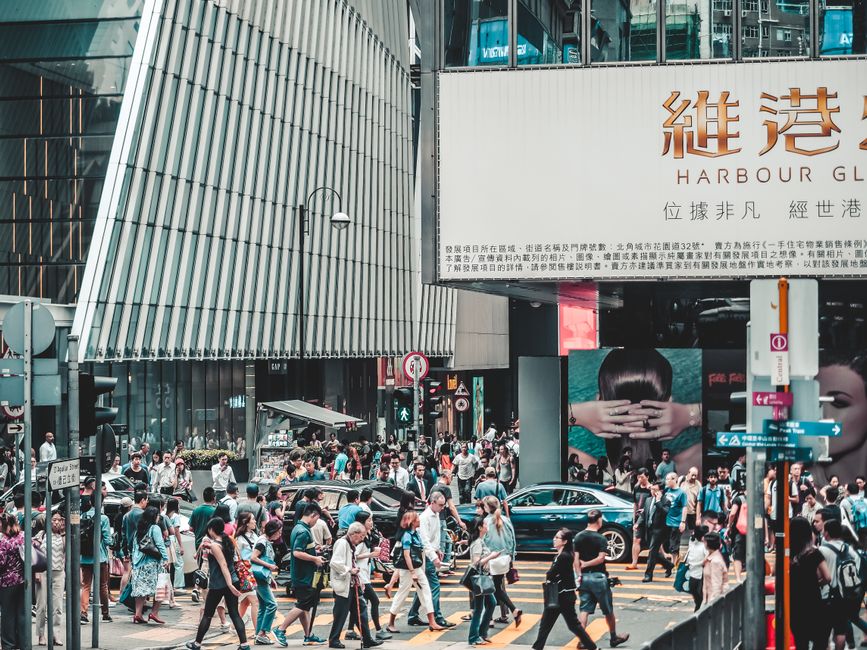
"People assume Central is where you find everything, but I spend maybe ten percent of my budget there," says the consensus among regular shoppers interviewed across districts. Mong Kok's Ladies' Market remains a fixture for practical clothing finds—prices typically 30-50 percent below mall equivalents—though serious hunters arrive before 11am when crowds thin and selection peaks. The stretch along Argyle Street offers better-quality basics than touristy souvenir stalls further south.
For groceries and fresh produce, wet markets like those on Graham Street in Central or the sprawling complex in Ap Liu Street, Sham Shui Po, operate on entirely different economics than supermarkets. Fish, vegetables and meat cost substantially less, and vendors often negotiate on bulk purchases. These spaces have survived Hong Kong's retail evolution precisely because locals depend on them—foot traffic remains steady even as younger residents increasingly shop online.
Sham Shui Po itself has become an unexpected destination for electronics and vintage finds. The district's warren of small shops on Falkland Street and around the MTR station stock components, refurbished goods and secondhand items at prices that reflect actual cost rather than brand markup. Quality varies, so experience matters.
Fashion-conscious residents working within tight budgets consistently mention Causeway Bay's side streets rather than the main shopping thoroughfares. Once you move two blocks from Hennessy Road, rents drop and so do prices—independent boutiques and smaller chains offer seasonal stock at markdowns that chain stores avoid.
Temple Street Night Market in Mong Kok functions less as a tourist experience and more as an actual shopping destination for locals seeking clothing, accessories and household items between 7pm and midnight. Negotiation is standard practice, and serious shoppers know to browse the full street before committing to purchases.
The honest advice from people who shop daily: arrive early, understand what things actually cost in supermarkets before comparing markets, befriend vendors if you plan repeat visits, and accept that Hong Kong's retail landscape rewards those who invest time over those seeking convenience. Tourist-facing areas—from Stanley Market to the jade markets near the MTR—exist primarily for visitor spending. Locals shop differently, in quieter pockets where genuine commerce still governs prices and selection.
This article was compiled by AI and screened before publishing. See our editorial standards.