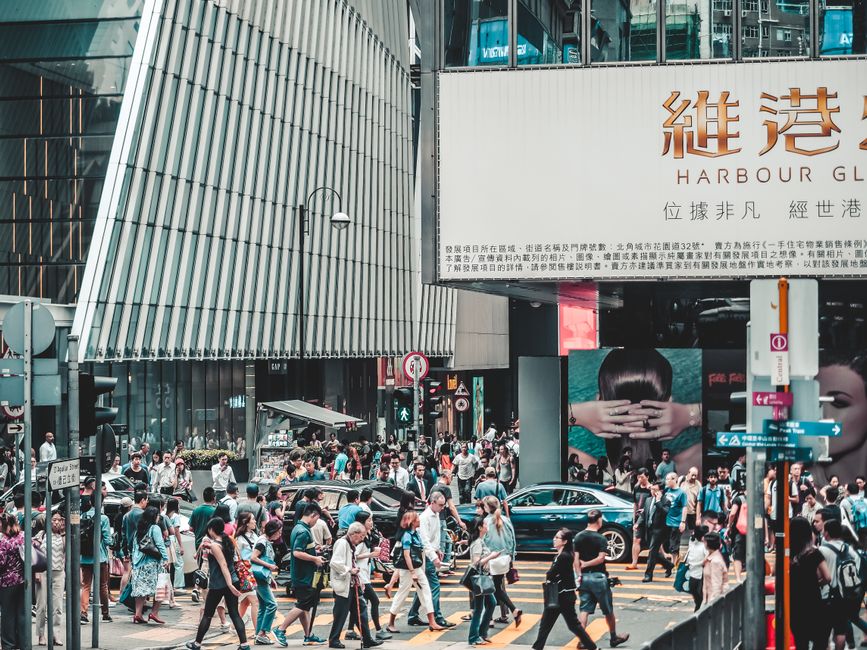
Walk through Ladies' Market in Mong Kok on a Monday afternoon, and you'll notice something that would have seemed unthinkable five years ago: empty stalls. The famous stretch along Argyle Street, once a relentless crush of tourists hunting knockoff handbags, now features a quieter, more curated selection of vendors. Some have pivoted entirely, replacing fast-fashion imports with handmade jewellery and vintage Hong Kong memorabilia.
This transformation reflects a broader evolution across Hong Kong's retail landscape. Post-pandemic visitor patterns haven't fully rebounded to 2019 levels—arrivals this year hover around 70% of pre-COVID figures—forcing traditional markets to rethink their business models. But rather than fade, many are discovering unexpected vitality by targeting local residents instead.
Wan Chai's Wan Chai Market, officially reopened last October after extensive renovation, exemplifies this shift. The 63-year-old wet market now incorporates a ground-floor design that encourages lingering rather than rushing through. Young professionals pop in between MTR rides, drawn to artisanal food stalls operated by third-generation vendors experimenting with fusion offerings. Nearby, the newly activated Wan Chai Promenade has attracted pop-up retailers selling sustainable fashion and local ceramics—spaces that didn't exist in the market five years ago.
Even Chungking Mansions, the iconic bulk-goods hub in Tsim Sha Tsui, is experiencing subtle reinvention. While electronics retailers remain, several floors now host small design studios and independent fashion designers who've found the lower rents more sustainable than Causeway Bay or Central. A 2024 survey by the Hong Kong Small and Medium Enterprises Association noted that 62% of young entrepreneurs cited neighbourhood markets as preferred retail bases over traditional commercial malls.
The economics are straightforward: a typical stall in a neighbourhood market costs 3,000–5,000 HKD monthly, compared to 40,000+ HKD in shopping centres. That difference allows for experimentation. At Temple Street Night Market in Jordan, once dominated by electronics vendors, several stalls now focus on sustainable goods, vintage Japanese collectibles, and handmade skincare products.
What's emerging isn't gentrification but rather organic adaptation. These markets are becoming extensions of local community identity rather than tourist destinations. Vendors are staying longer, investing more carefully, and customers—increasingly Hong Kong residents—are returning regularly rather than visiting once.
The shift suggests something encouraging: that authenticity, not novelty, is what keeps retail spaces alive in 2026.
This article was compiled by AI and screened before publishing. See our editorial standards.