This article was generated by AI from the linked public sources. The Daily Hong Kong is independently owned and covers Hong Kong news free from advertiser or sponsor influence. Read our editorial standards →
Every Saturday morning, the Star Ferry from Central to Cheung Chau carries 3,000-odd commuters. Most are headed to beaches or restaurants. But the real magic happens in the margins—in the small shops, family businesses and quiet corners where Hong Kong's weekend culture thrives through the people who steward it.
Take Tai O, the fishing village on Lantau Island accessible by bus 1 in roughly 50 minutes from Central. While tourists photograph stilt houses and eat shrimp paste, it's the multi-generational families running the village's cramped dai pai dong stalls who represent something deeper. These aren't heritage performers—they're residents simply living and working in a place that refuses to be fully modernized. A bowl of shrimp noodles costs roughly HK$35, and the person serving you likely learned the recipe from their parent, who learned it from theirs.
Or consider the weekend artisan scene sprouting across Sai Kung East. The town's waterfront has become a magnet for independent makers—ceramicists, textile artists, jewellers—many of whom relocated from Central or Causeway Bay over the past five years, seeking studio space that won't cost HK$100,000 per month. They've transformed the area into an informal creative hub where weekenders can browse handmade goods while chatting directly with makers about their practice. It's intimate, unpolished, and utterly authentic.
The New Territories offer similar opportunities for genuine human connection. The Kadoorie Farm and Botanic Garden in Tai Po employs local guides who grew up in the region and can speak to how it's changed since the 1970s. Or head to Stanley's traditional wet market on a Sunday morning—the fishmongers, produce vendors and dai pai dong operators there represent a fast-disappearing Hong Kong, one where business relationships span decades and regulars are recognized instantly.
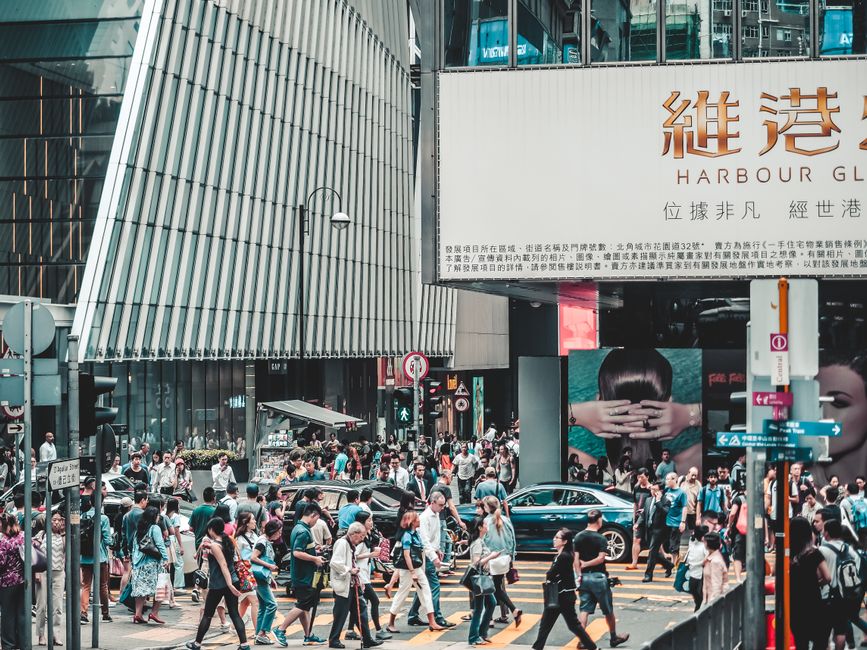
Even urban staples offer this texture. The vintage markets in Mong Kok and Ladies' Market are crowded, yes, but they're alive with micro-entrepreneurs, many of them older Hongkongers supplementing pensions or recent arrivals building new lives. Their hustle, their negotiations with customers, their specialized knowledge—these are the moments that define a weekend experience far more than any Instagram location.
As Hong Kong continues its careful balance between preservation and change, these weekend spaces and the people who maintain them matter more than ever. They're not quaint. They're not performing authenticity for consumption. They're simply getting on with life in a city that moves faster than almost anywhere else on earth. And that, paradoxically, is what makes them irreplaceable.
This article was compiled by AI and screened before publishing. See our editorial standards.
Covering lifestyle in Hong Kong. This article was generated by AI from the linked sources and was not reviewed by a human editor before publishing. See our editorial standards.