From gridlock to green commutes: How Hong Kong's last-mile transport revolution is reshaping neighbourhood mobility
As micro-mobility options flourish across Causeway Bay and beyond, the city's commuting landscape is undergoing its most significant shift in a decade.
This article was generated by AI from the linked public sources. The Daily Hong Kong is independently owned and covers Hong Kong news free from advertiser or sponsor influence. Read our editorial standards →
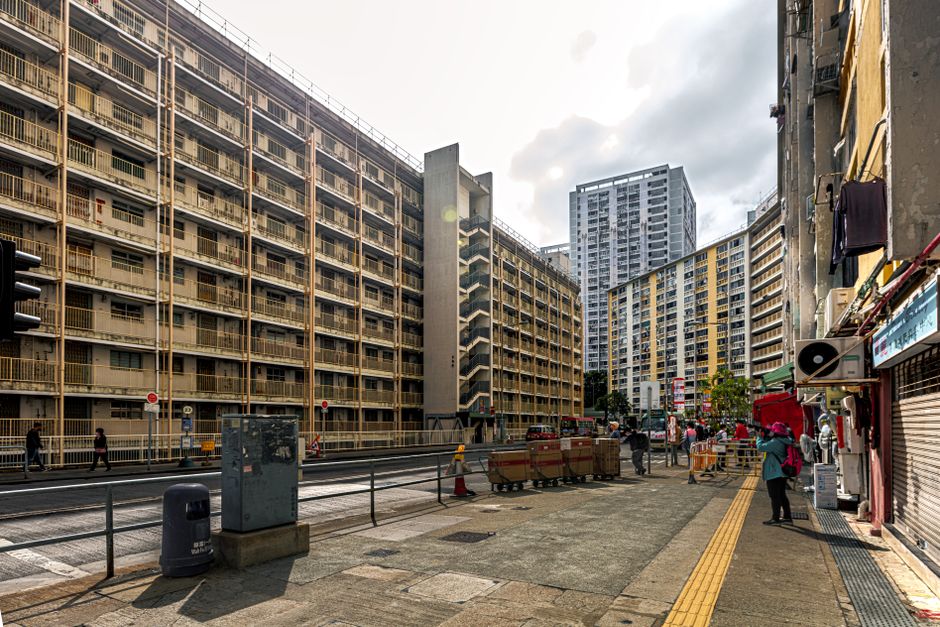
Walk through Causeway Bay on any weekday morning and you'll notice something distinctly different from five years ago: fewer private cars idling at red lights, more commuters gliding past on e-bikes and standing on electric scooters, their eyes fixed on phones displaying real-time transport apps rather than newspaper classifieds announcing parking spaces.
The transformation is real, measurable, and reshaping how Hong Kong residents navigate their neighbourhoods. According to data from the Transport Department, micro-mobility usage across the island has grown by 47 per cent since 2021, with Central, Wan Chai and Causeway Bay accounting for nearly 40 per cent of that activity. This shift signals something more profound than a trend—it reflects fundamental changes in how dense, expensive, congested Hong Kong is solving its perpetual commuting crisis.
The MTR remains king, moving 5.7 million passengers daily across its 231-kilometre network. But it's the 3-kilometre gap between home and the station, or between the office exit and a meeting across town, where the real innovation is happening. E-bike sharing services now operate at 287 stations across the harbour; electric scooter parks dot pavements from Sheung Wan to Quarry Bay; and cargo e-bikes—once exotic in Hong Kong—are becoming a common sight ferrying schoolchildren and groceries through residential blocks.
Businesses are responding. The Harbour City shopping complex in Tsim Sha Tsui recently redesignated 40 per cent of its ground-floor parking to accommodate a micro-mobility hub. Luxury residential buildings in Mid-Levels now advertise dedicated e-bike storage as a leasing amenity. Even traditional taxi operators have begun experimenting with electric vehicle fleets, recognising that the old game is shifting.
Not everyone celebrates the change. Pedestrians on crowded Nathan Road express frustration at scooters weaving through foot traffic. Elderly residents struggle to navigate pavements cluttered with parked bikes. Safety concerns remain legitimate—hospital admissions involving e-bike and scooter accidents rose 23 per cent in 2025, according to Hospital Authority data.
Yet the economic logic is undeniable. Commuting costs for office workers using micro-mobility average HK$8 daily, compared to HK$17 for traditional taxis and HK$22 for private car parking. Environmental benefits matter too: a single replacement of a three-kilometre car journey with an e-bike ride prevents roughly 800 grammes of CO₂ annually per commuter.
Hong Kong's commuting future isn't abandoning the MTR—it's building a ecosystem around it. As neighbourhoods like Causeway Bay and Central continue densifying, this last-mile revolution may prove as transformative as the railway itself once was.
This article was compiled by AI from the sources linked above and screened before publishing. See our editorial standards.
Covering lifestyle in Hong Kong. This article was generated by AI from the linked sources and was not reviewed by a human editor before publishing. See our editorial standards.