The Faces That Make Hong Kong Neighbourhoods Come Alive
From dai pai dong owners in Mong Kok to community volunteers in Sai Wan Ho, meet the people whose daily presence transforms streets into belonging.
3 min read
From dai pai dong owners in Mong Kok to community volunteers in Sai Wan Ho, meet the people whose daily presence transforms streets into belonging.
3 min read
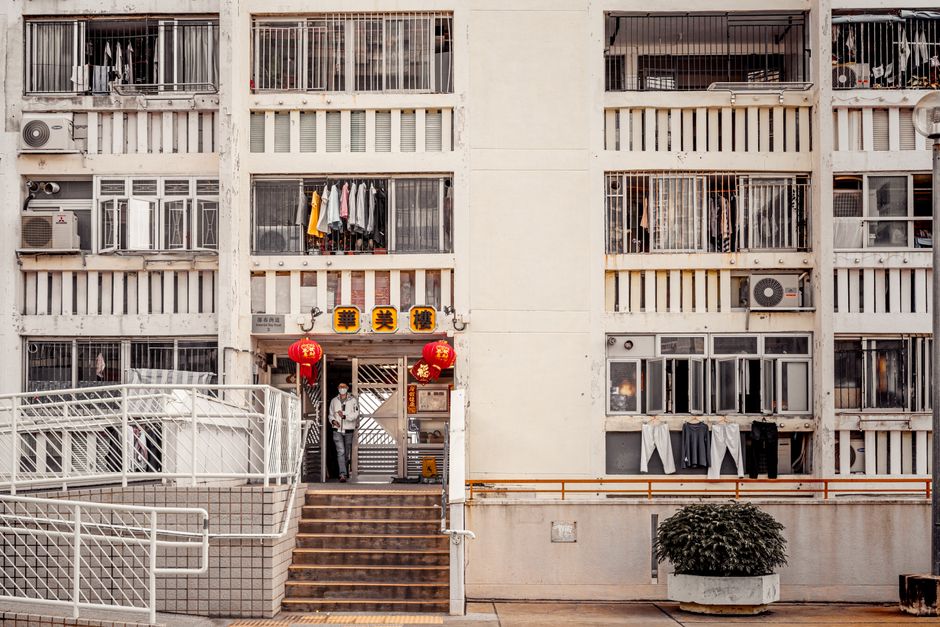
Hong Kong's neighbourhoods breathe because of people. Not the passing tourists or the office workers rushing through MTR stations, but the ones who stake their lives—their time, their savings, their identities—into making a street feel like home.
Walk into any dai pai dong across Mong Kok's narrow lanes, and you'll find operators who've been ladling congee since dawn, their hands weathered by decades of wok heat. These informal food courts, once numbering over 20,000 across Hong Kong, have dwindled to roughly 6,000 today. Yet they remain anchors. The owners who remain aren't just serving breakfast; they're holding together the social fabric of their neighbourhoods, often extending credit to elderly regulars and knowing every customer's usual order before they sit down.
In Sai Wan Ho, a quieter eastern corridor, community volunteers have transformed what could be just another residential pocket into something more intentional. Organisations like the local elderly services centres and grassroots NGOs operate on shoestring budgets, their coordinators often earning less than HK$20,000 monthly while managing programmes for hundreds of isolated seniors. These aren't high-profile roles. Yet they're vital—the difference between someone receiving a weekly wellness check and someone spending weeks unnoticed in their flat.
Sheung Wan's cat-filled alleyways tell different stories. Independent shop owners—traditional Chinese medicine practitioners, vintage record dealers, noodle vendors—operate businesses passed down through generations, their presence more valuable than any Instagram location tag. They know the history of their buildings, the names of neighbourhood cats, which restaurants closed and why. Their knowledge is living archive.
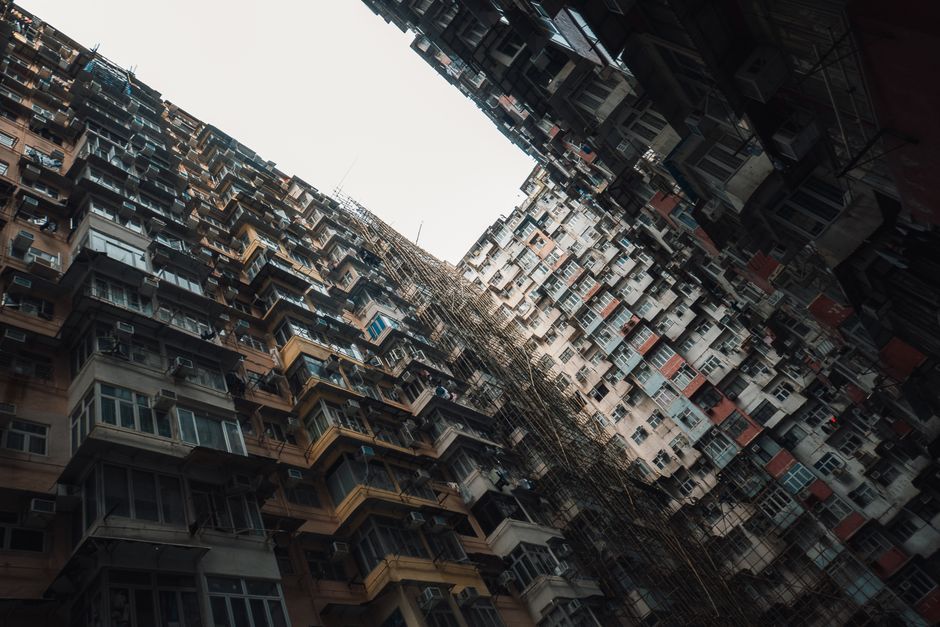
What makes Hong Kong's neighbourhoods distinctive isn't their architecture alone, though that matters. It's the people who've chosen to stay put, to invest their labour and emotion into streets that don't pay them in glamour. The wet market vendors who arrive at 4am. The community centre staff managing youth programmes on limited resources. The shop uncles and aunties who've seen property values triple while their rents remain negotiated through long-term relationships rather than market rates.
These faces—often overlooked in a city obsessed with luxury developments and the newest mall opening—are what differentiate Hong Kong's neighbourhoods from one another. They're the reason Causeway Bay feels different from Ap Lei Chau, why Central's energy differs from Cheung Sha Wan's. In a city where change is relentless and displacement constant, these people are the invisible force keeping neighbourhoods grounded in something beyond commerce.
They deserve to be seen.
This article was compiled by AI from the sources linked above and screened before publishing. See our editorial standards.
About this article
Published by The Daily Hong Kong
Spread the word
Daily brief
Free, in your inbox before 7am. Weekdays.
Before you go
The day's Hong Kong news in a 2-minute read. Free, weekday mornings.