This article was generated by AI from the linked public sources. The Daily Hong Kong is independently owned and covers Hong Kong news free from advertiser or sponsor influence. Read our editorial standards →
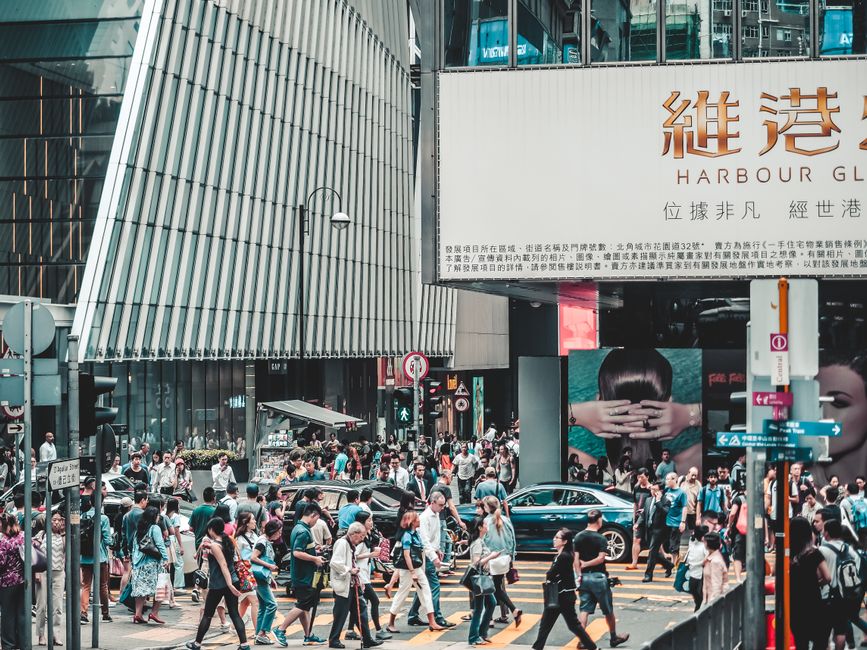
Walk down Temple Street in Mong Kok on any evening and you'll spot Mrs. Lam wiping down her vegetable stall for the third time that hour. She's been there for 31 years—longer than most residents have lived in their apartments above. She knows every regular by name, remembers their preferred vegetables, offers discounts to elderly neighbours without being asked. When the street's night market faced redevelopment threats last year, Mrs. Lam organised petition signatures between 6pm and 11pm, every single night. That kind of quiet community leadership doesn't make headlines, but it's what actually holds these neighbourhoods together.
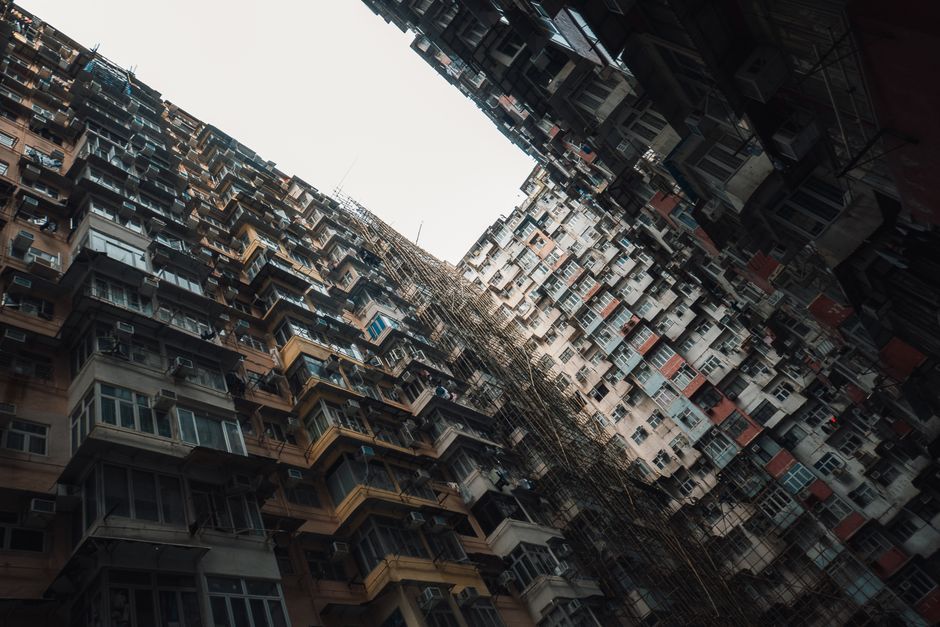
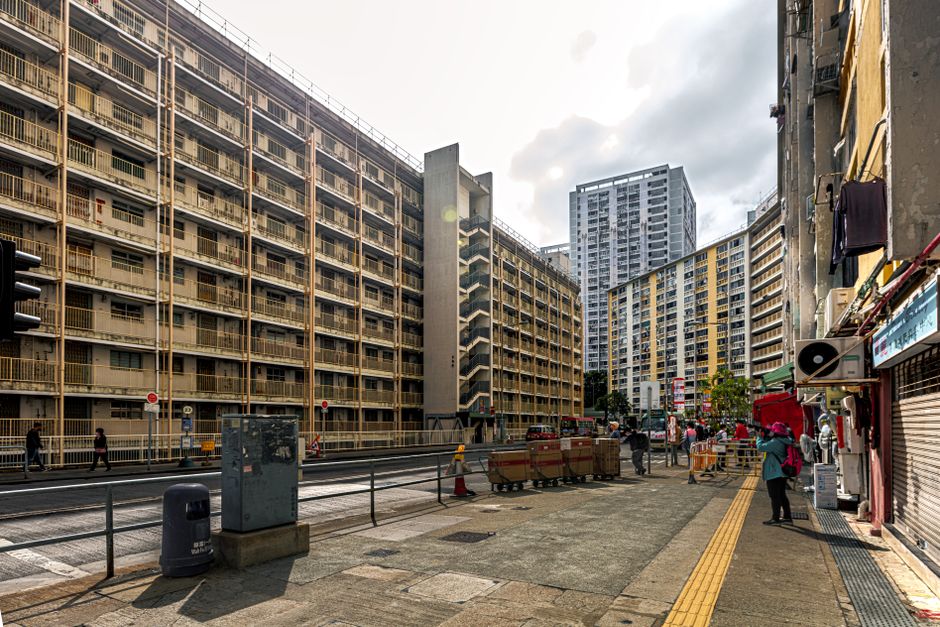
In Sham Shui Po, a 15-minute MTR ride away, you'll find a different story. The neighbourhood has seen rents climb 23% in five years, pushing out long-time residents. Yet community workers like those at the Sham Shui Po District Office continue mapping these changes, organising monthly forums where locals voice concerns about affordable housing and heritage preservation. The Junk Bay waterfront reminds residents what this area once was; these conversations help decide what it becomes.
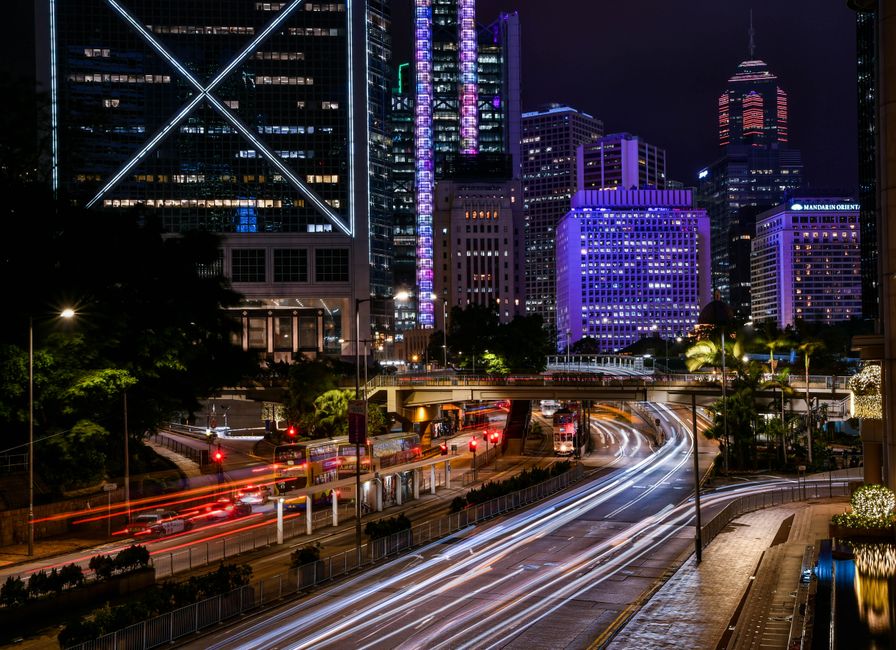
Central's financial towers cast long shadows, but head down to Wellington Street or the lanes behind Lan Kwai Fong and you'll discover independent shop owners—a rare breed in 2026. A Japanese stationery boutique, a vintage vinyl dealer, a traditional Chinese herbalist who still hand-writes customer notes. These proprietors consciously resist the mall-ification of the district. Their rent here costs roughly double what it would in Causeway Bay, yet they stay because they've built something tangible with their neighbourhoods.
What emerges from listening to these stories—Mrs. Lam, the Sham Shui Po organisers, the independent retailers—is that Hong Kong's character isn't scripted by property developers or brand strategists. It lives in persistence, in small acts of community care, in people choosing connection over convenience.
This matters now more than ever. As Hong Kong continues reshaping itself through mega-projects and demographic shifts, the question isn't just what buildings get built. It's whether the relationships, knowledge and institutional memory held by neighbourhood faces like these get preserved alongside them. That's where the real Hong Kong lives—not in tourist guides, but in the people who show up every day, year after year, making their streets home.
This article was compiled by AI and screened before publishing. See our editorial standards.
Covering lifestyle in Hong Kong. This article was generated by AI from the linked sources and was not reviewed by a human editor before publishing. See our editorial standards.