Why Hong Kong's Neighbourhood Culture Stands Apart in the Global City League
From vertical living to street-level community rituals, Hong Kong's ultra-dense urban landscape has created a neighbourhood model unlike anywhere else on Earth.
This article was generated by AI from the linked public sources. The Daily Hong Kong is independently owned and covers Hong Kong news free from advertiser or sponsor influence. Read our editorial standards →
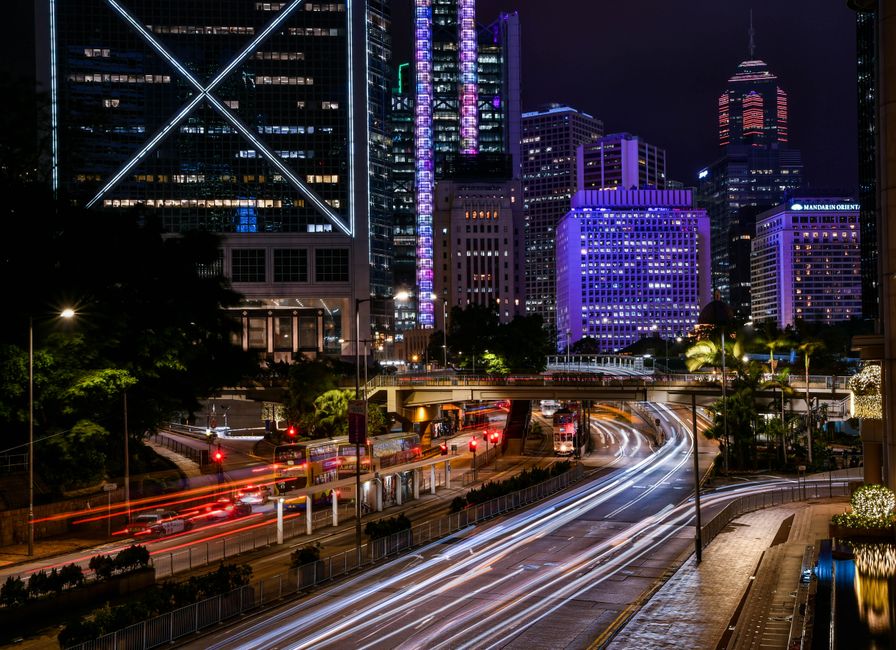
Walk through Mong Kok on a Saturday afternoon and you'll witness something increasingly rare in world cities: neighbourhoods that genuinely function as villages within a metropolis. This is Hong Kong's secret urban advantage. While Tokyo isolates in efficiency, London sprawls in historical layers, and New York compartmentalises by borough wealth, Hong Kong has engineered something different—a compressed, permeable community ecosystem where 7.5 million people maintain hyperlocal bonds despite living in towers that scrape 300 metres skyward.
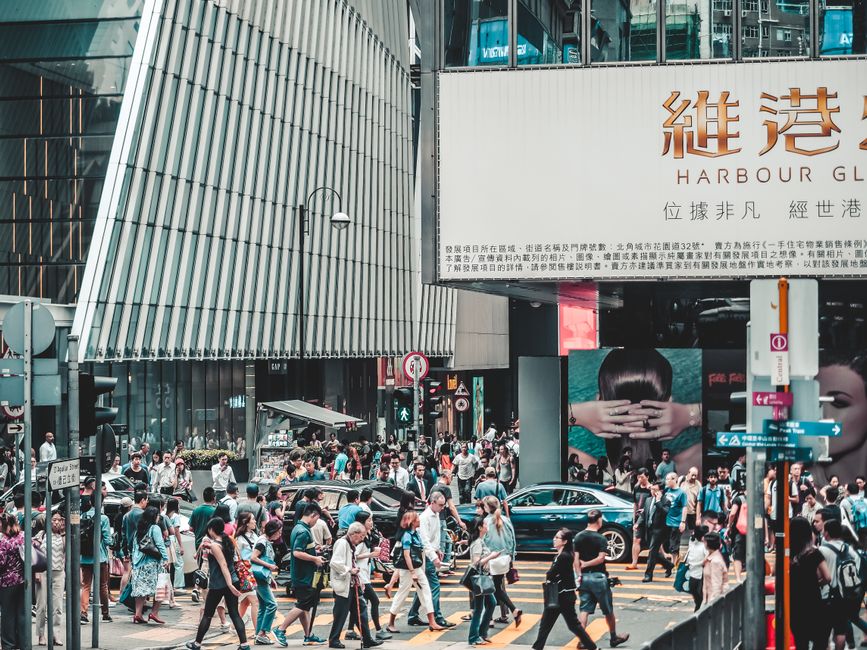
The architecture demands it. With 45% of Hong Kong's land mountainous and undevelopable, the city has achieved a population density of 7,700 people per square kilometre—double Singapore's, triple London's. This vertical constraint hasn't created alienation; it's manufactured necessity-based community. On Gage Street in Central, dai pai dong (open-air food stalls) still operate where property values exceed HK$100,000 per square metre. These aren't nostalgic relics. They're functional neighbourhood anchors where regulars maintain 20-year relationships with vendors who know their order before they arrive.
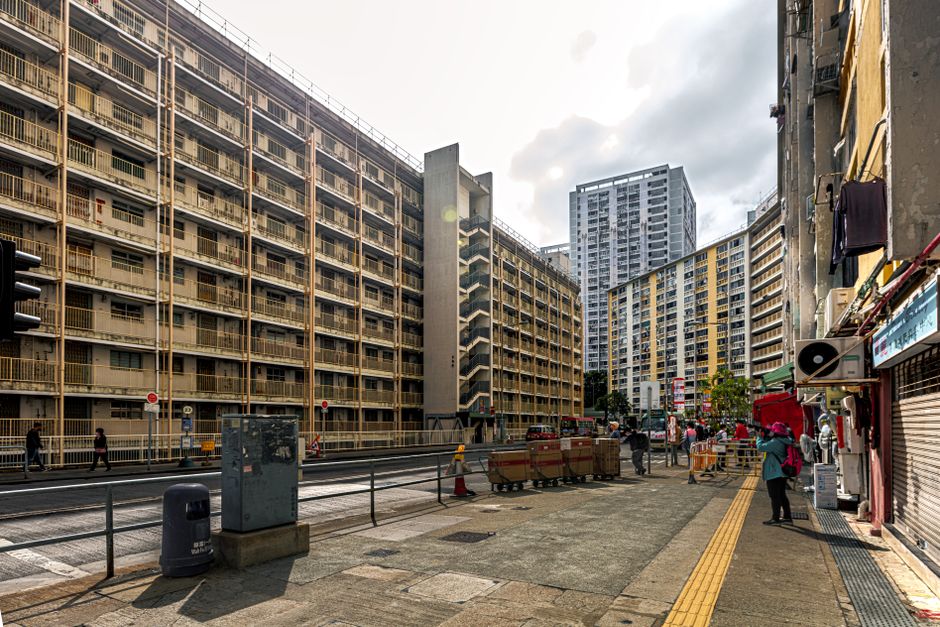
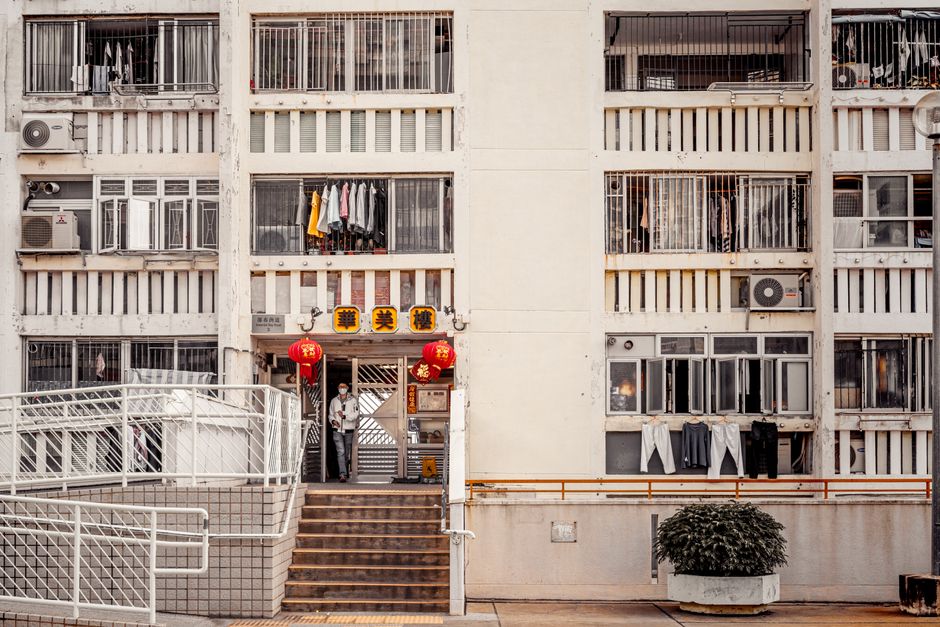
Compare this to Western models. San Francisco's Mission District gentrified into Instagram aesthetics. London's Shoreditch traded authenticity for branding. Hong Kong's neighbourhoods—Sham Shui Po, Ap Lei Chau, even upscale Repulse Bay—resist this homogenisation because the economic model won't permit it. Rent controls on older tenement buildings mean multi-generational families can afford to stay. Neighbourhood survival depends on diversity, not curation.
The street-level infrastructure reinforces this. Unlike cities that cordoned community spaces into designated zones, Hong Kong's neighbourhoods integrate living, working, eating and commerce vertically and horizontally. A typical block in Wan Chai contains wet markets, noodle shops, residential units, traditional Chinese medicine clinics, and mobile phone repair stalls—all within a five-minute walk, many within the same building. Residents don't travel to their community; they live within it.
Organisations like the Hong Kong Housing Authority and local community centres maintain formal structures (activity centres operate in nearly every neighbourhood), but the real magic happens organically. Mahjong parlours, dai pai dong gatherings, wet market relationships—these are the connective tissue absent from most 21st-century cities. A 2024 local study found 68% of Hong Kong residents could name at least five neighbours by name, compared to 31% in comparable global cities.
For visitors and residents alike, this makes Hong Kong's neighbourhoods fundamentally different to explore. You're not consuming a city. You're observing how millions of people have engineered genuine community from density itself.
This article was compiled by AI and screened before publishing. See our editorial standards.
Covering lifestyle in Hong Kong. This article was generated by AI from the linked sources and was not reviewed by a human editor before publishing. See our editorial standards.