For years, Hong Kong's expat narrative centred on departure. But 2026 tells a different story. A confluence of factors—from stabilised housing costs to a thriving cultural renaissance—has quietly repositioned the city as a genuine lifestyle destination rather than merely a corporate posting.
The numbers tell part of the tale. Since late 2024, median flat rentals across mid-tier districts like Sai Ying Pun and Sheung Wan have softened by roughly 8-12%, making three-bedroom apartments more accessible than they've been since 2019. Simultaneously, the MTR's expanded service to outlying areas has opened neighbourhoods like Tai Koo and Fortress Hill to a new generation of remote workers and creative professionals seeking authenticity without sacrificing convenience.
What's genuinely shifted, though, is cultural momentum. The reopening of smaller independent galleries in Central and the emergence of micro-venues across Wong Chuk Hang's industrial corridor has created an entirely different Hong Kong—one locals had largely abandoned during the previous decade's uncertainty. Art Basel's deepened integration with local institutions, plus the rise of chef-driven dining in Wan Chai's laneway restaurants, has rekindled civic pride in unexpected ways.
For incoming expats, this matters enormously. Rather than arriving into a city defined by transience, newcomers are encountering communities actively investing in their own backyard. The Tai Po Waterfront Park regeneration and the Northern Metropolis developments are no longer abstract projects but visible, tangible transformations reshaping how residents—both long-term and recently arrived—imagine their relationship with the city.
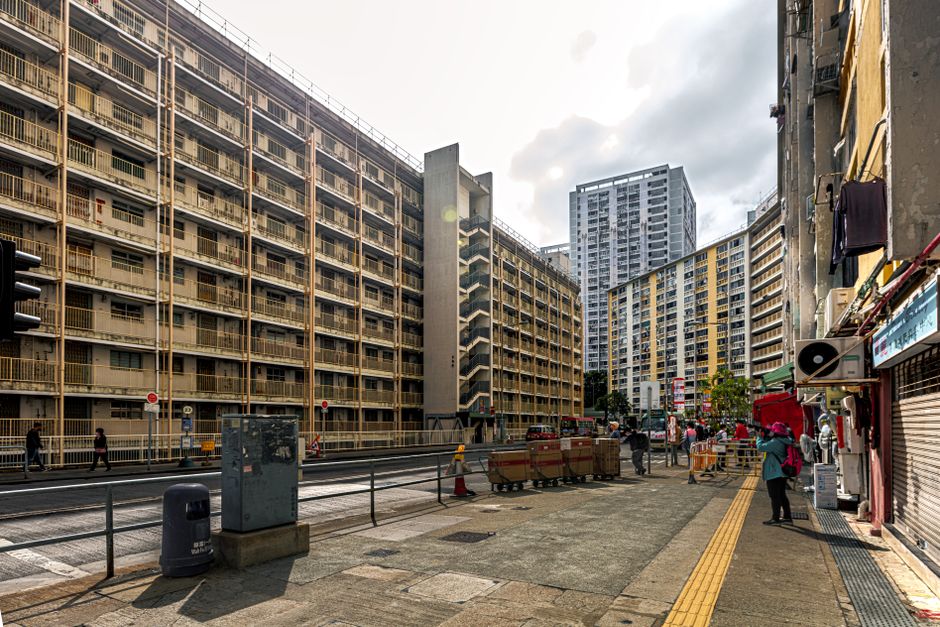
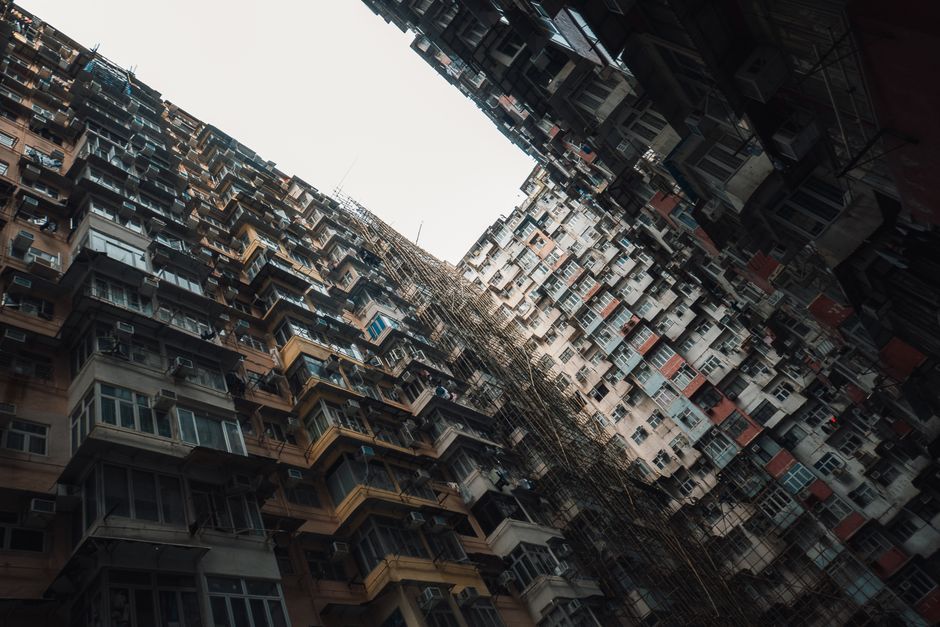
Neighbourhood character has deepened too. Quarry Bay's brutalist architecture, once dismissed as concrete eyesores, now hosts weekend markets and casual networking hubs that blend design culture with genuine community. Even pragmatic business districts like Kowloon Bay have morphed into mixed-use destinations, with flexible co-working spaces housed in renovated industrial buildings.
The shift reflects something subtler: permission to stay. When stability returned, locals stopped treating Hong Kong as a temporary arrangement. That psychological shift—from "waiting to leave" to "genuinely building here"—created space for the kinds of organic, people-driven improvements that no government initiative alone could engineer.
For expat newcomers, this is the Hong Kong advantage. You're arriving not into a city in managed decline but into one actively rediscovering itself. The infrastructure remains world-class; the efficiency is unchanged. What's new is the heartbeat—a city where both locals and incoming residents are, simultaneously, falling back in love with the place.
This article was compiled by AI from the sources linked above and screened before publishing. See our editorial standards.