Explore Your Neighbourhood Hong Kong: Local Insider's Guide
Discover hidden dai pai dong, local MTR spots & community gems. Your practical guide to becoming a true Hong Kong neighbourhood insider.
3 min read
Discover hidden dai pai dong, local MTR spots & community gems. Your practical guide to becoming a true Hong Kong neighbourhood insider.
3 min read
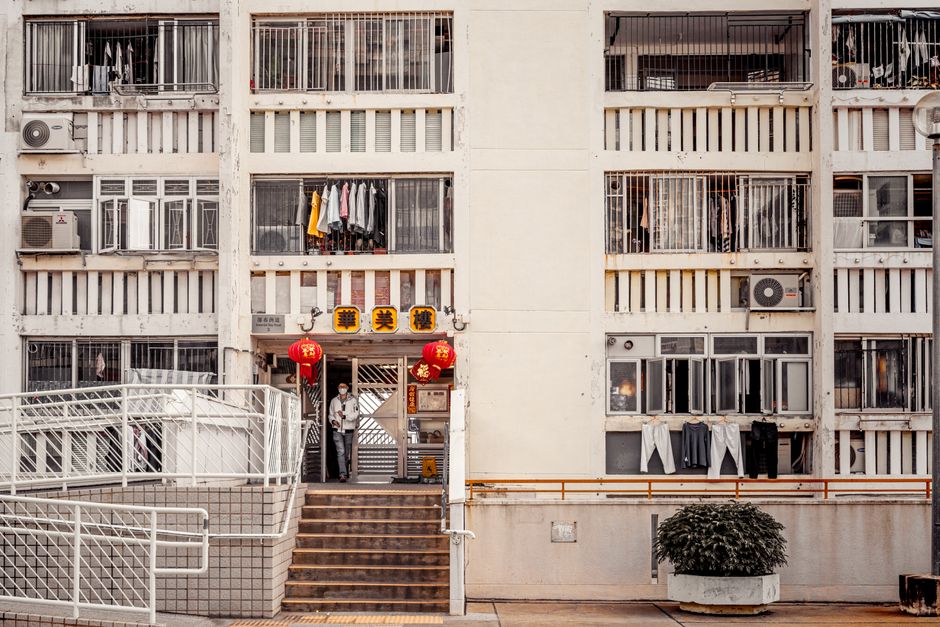
Hong Kong's magic lies not in its skyline alone, but in the granular texture of its neighbourhoods—each with distinct rhythms, characters, and opportunities for genuine connection. Whether you've lived here five months or five years, rediscovering your own district through a resident's lens transforms routine into discovery.
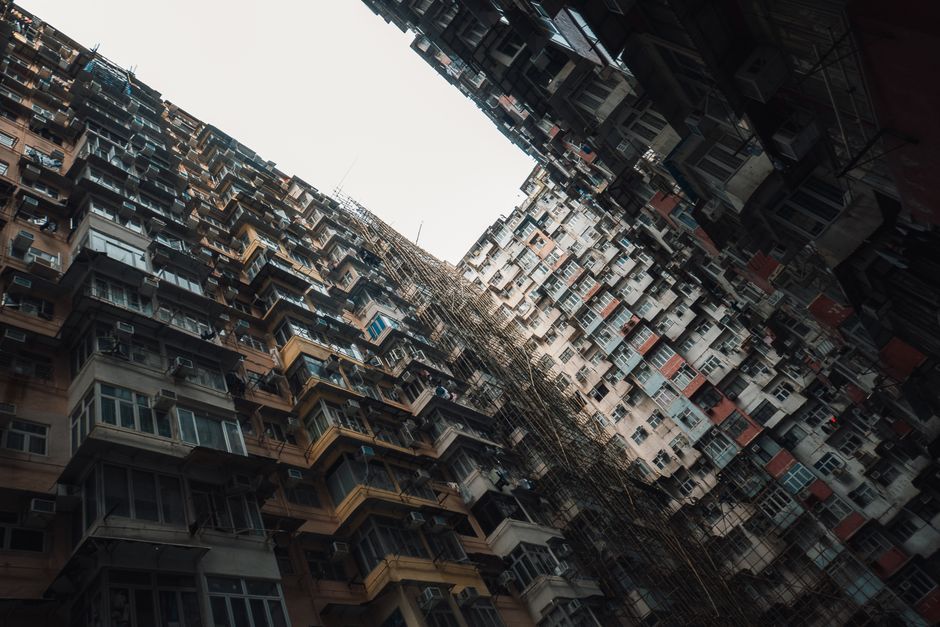
Start with the fundamentals. Map your immediate radius using the MTR network as your skeleton: most residents live within 15 minutes of a station. In Central, venture beyond the office towers into the mid-levels, where steep alleyways like Ladder Street connect communities that rarely see tourist footfall. Kowloon's density rewards exploration—Mong Kok's traditional dai pai dong on Argyle Street still operate under the old order, serving congee and rice porridge to locals at prices under HK$30. Sham Shui Po, consistently ranked among Asia's most vibrant street markets, offers textiles, vintage electronics, and a street-food culture that pulses strongest on weekends.
Build genuine community ties through local organisations. District community centres, run by the Home Affairs Department, offer subsidised classes ranging from Cantonese cooking to tai chi—often HK$50-150 per session. The Hong Kong Library Network (hkpl.gov.hk) provides free programming and meeting spaces. Neighbourhood improvement projects have flourished post-2023, with initiatives like the Central and Western District's waterfront regeneration creating new gathering spaces along the harbour.
Food culture anchors neighbourhood identity. Beyond Instagram-friendly cafes, seek out family-run noodle shops, traditional Chinese medicine halls, and wet markets that open dawn to mid-morning. Markets in Wan Chai, Causeway Bay, and Sheung Wan operate under predictable rhythms—arrive early for best selection, expect cash-only vendors, and engage in the casual haggling that remains part of the social contract.
Hong Kong's 18 district councils, reformed in recent years, coordinate everything from street cleaning to community events. Attending public meetings (held monthly, free to residents) reveals neighbourhood concerns and upcoming improvements. The city's homogeneity-resisting character emerges here: Kennedy Town residents champion their village-like waterfront; Repulse Bay maintains quieter, established residential culture; Wong Tai Sin district around the temple draws spiritual seekers and families.
Use your feet strategically. The Peak Tram isn't just a tourist ride—it's a commute for mid-levels residents. Coastal walks in Stanley, Cheung Sha, and Clear Water Bay offer weekend rhythms distinct from urban core energy. Apps like Citywalk (citywalkapp.com) and local Facebook neighbourhood groups surface hyperlocal intel—construction closures, new shops, community sales—that official channels miss.
Neighbourhood living becomes rewarding when approached as participatory: attend temple festivals, join hiking groups organised through Meetup, volunteer with local NGOs. Hong Kong's pace can feel relentless, but these pockets of deliberate community engagement reveal the city's more human dimensions.
This article was compiled by AI from the sources linked above and screened before publishing. See our editorial standards.
About this article
Published by The Daily Hong Kong
Spread the word
Daily brief
Free, in your inbox before 7am. Weekdays.
Before you go
The day's Hong Kong news in a 2-minute read. Free, weekday mornings.