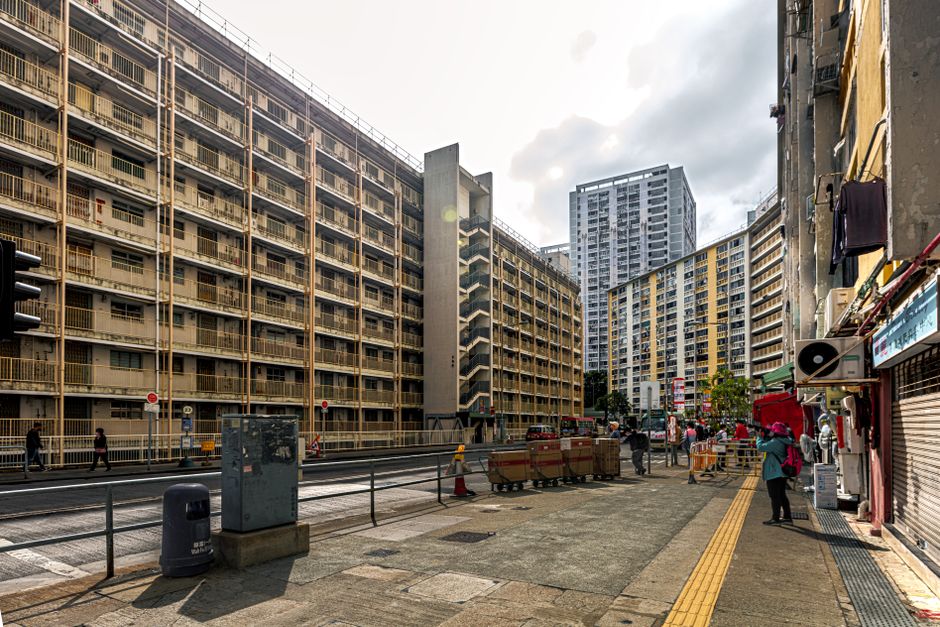
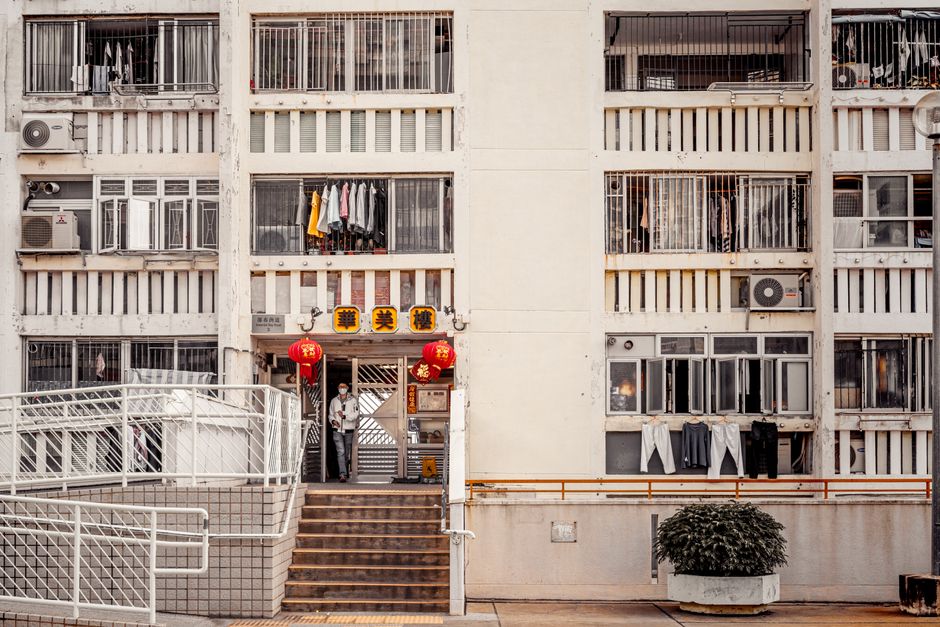
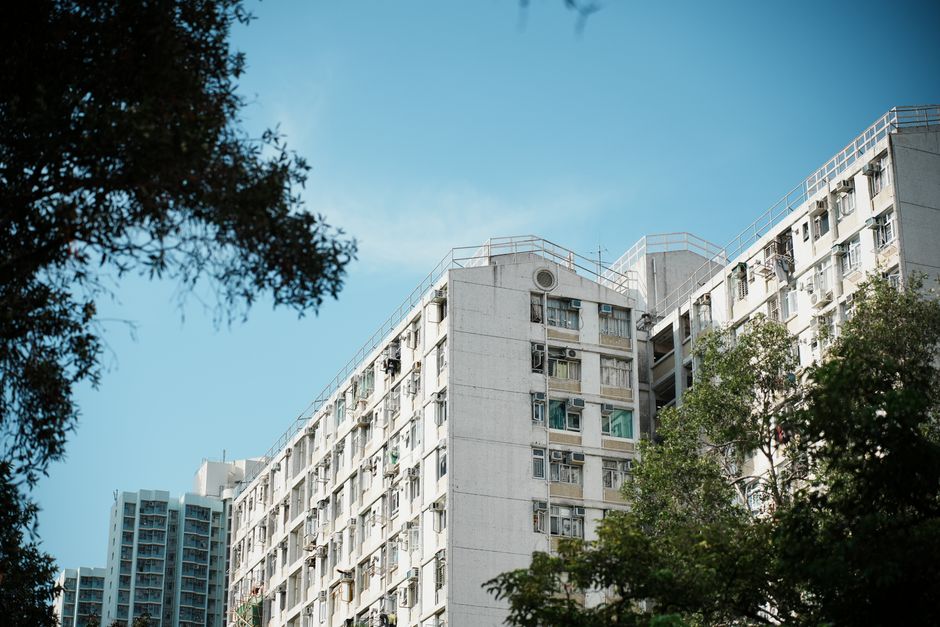
On a Tuesday afternoon, the playground behind Kowloon Tong MTR station hums with activity—toddlers navigate climbing frames while parents exchange phone numbers on benches beneath towering residential blocks. This small patch of green has become the unofficial heart of the neighbourhood, a place where community bonds form organically over shared school runs and weekend outings.
Neighbourhood character matters more than ever to Hong Kong families navigating the city's notoriously competitive education landscape. While international school fees routinely exceed HK$200,000 annually, many parents are discovering that their children's social development depends equally on the streets they walk, the playmates they encounter, and the local networks their families build.
In Mid-Levels, tree-lined streets like Tregunter Path and Magazine Gap Road have become magnets for expat and local families alike. The proximity to multiple kindergartens—including established institutions along Bowen Road—creates a self-reinforcing community ecosystem. Mothers' groups organise regular playdates, while the neighbourhood's compact geography means children can walk to school, fostering independence while strengthening friendships formed in local classrooms.
Discovery Bay presents a strikingly different model. This self-contained waterfront village on Lantau Island functions almost as a microcosm, with its own schools, recreational facilities, and community programmes. The Discovery Bay International School draws families who value the neighbourhood's safety and cohesion—factors that rank highly in parenting surveys conducted across Hong Kong, often cited above academic rankings alone.
The real estate market reflects these priorities. Properties in Mid-Levels command premiums partly due to neighbourhood perception. A two-bedroom flat on Tregunter typically rents for HK$45,000–55,000 monthly, yet families remain committed, valuing the school catchment areas and community infrastructure as much as square footage.
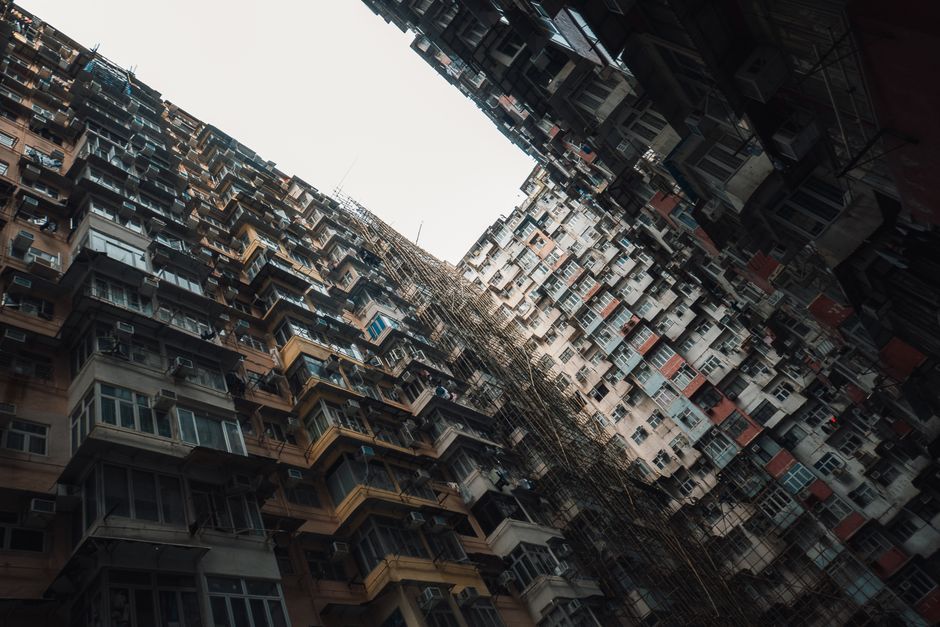
Even in denser areas like Quarry Bay, younger parents are revitalising neighbourhoods through grassroots initiatives. Community WhatsApp groups organise weekend activities; playgrounds that once felt isolating are becoming social hubs. Local wet markets remain gathering points where regular shoppers—many raising families—form genuine connections.
For Hong Kong parents, neighbourhood character provides what the city's rigid education system cannot: flexibility, spontaneous friendship, and a sense of belonging. As school pressure intensifies, these pockets of community warmth have become invaluable—not peripheral luxuries, but essential scaffolding for childhood itself.
This article was compiled by AI from the sources linked above and screened before publishing. See our editorial standards.