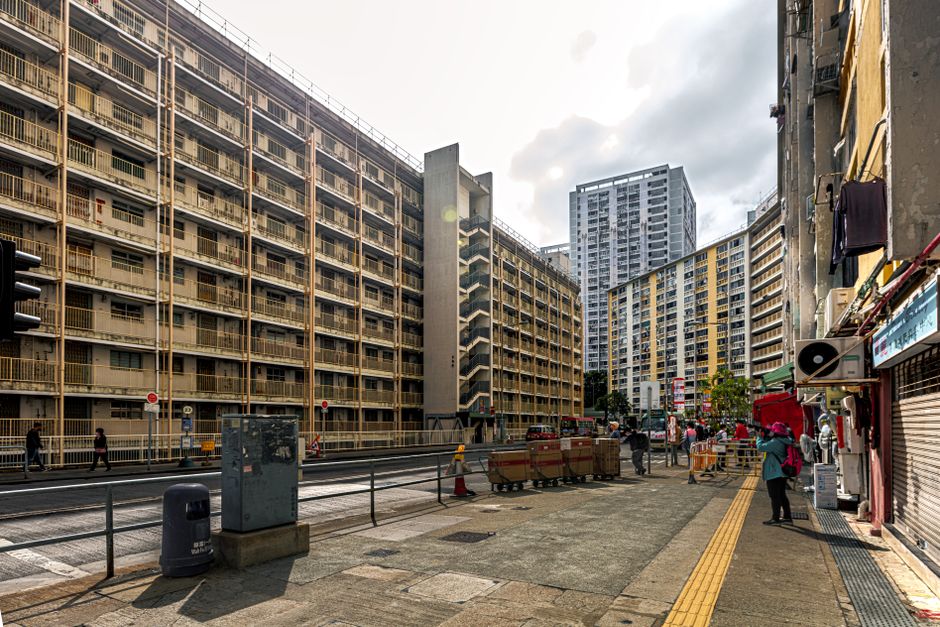
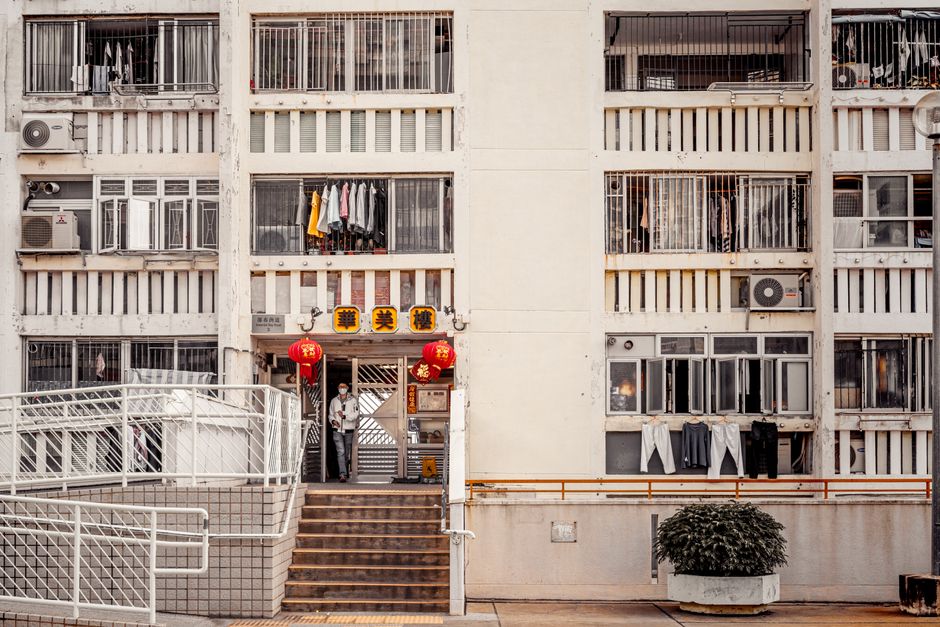
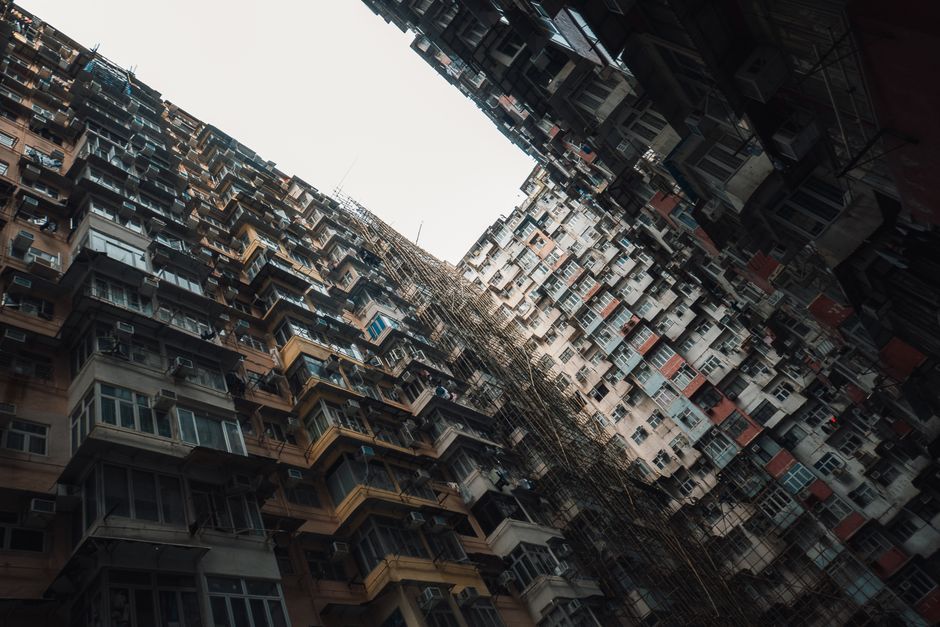
For decades, Hong Kong's expat communities clustered in predictable pockets—Central's gleaming towers, Mid-Levels' leafy slopes, Discovery Bay's resort-like isolation. But the past 18 months have redrawn that map entirely. What once felt like insular foreign enclaves now pulse with a distinctly hybrid energy that appeals equally to returning locals seeking international amenities and newly arrived professionals hunting authentic neighbourhood charm.
The shift is partly infrastructural. The completion of the MTR's East Line extension in late 2024 finally bridged Causeway Bay and Fortress Hill, cutting commute times for Wan Chai workers and making the waterfront precinct genuinely walkable for the first time. Rent in adjacent Noonday has stabilised around HK$45,000–55,000 monthly for a two-bedroom flat, down roughly 12% from 2023 peaks. More crucially, young Hong Kong professionals—those priced out of their childhood neighbourhoods—now see these areas as liveable again, not just stomping grounds for expats.
The co-working boom has turbocharged this democratisation. WeWork's expansion into Discovery Bay, paired with the opening of at least five independent hubs across Sheung Wan and Central, has fractured the old office-bound model. Remote workers—both expat and local—now treat cafés on Gough Street and Pottinger Street as legitimate alternatives to corporate towers. Independent roasters like Elephant Grounds and Cafe Mustache have anchored Sheung Wan's creative quarter, attracting designers and engineers regardless of passport.
Food is perhaps the clearest barometer. The restaurant scene in Mid-Levels and Soho has undergone genuine gentrification, but not the hollow kind. International cuisines—Korean, Vietnamese, Portuguese—sit comfortably alongside refined dim sum and dai pai dong, with menus increasingly bilingual and prices reflecting this fluidity. A decent neighbourhood dinner no longer demands the wallet-draining splurge of earlier years.
For incoming expats, the practical takeaway is this: neighbourhoods are less segregated by nationality, more integrated by lifestyle preference. The International School and expatriate social clubs still anchor traditional communities, but they're no longer gatekeepers. Language barrier? Still real, but Google Translate and younger Hong Kong residents' English fluency have softened the friction considerably.
Local enthusiasm for this shift reflects something deeper. As working patterns evolve and property constraints ease slightly, Hong Kong residents recognise that vibrant, mixed neighbourhoods ultimately strengthen the city's claim as a global hub. The expat newcomer arriving in 2026 inherits not an isolated foreigner ecosystem, but a genuinely cosmopolitan city learning to live with itself.
This article was compiled by AI from the sources linked above and screened before publishing. See our editorial standards.