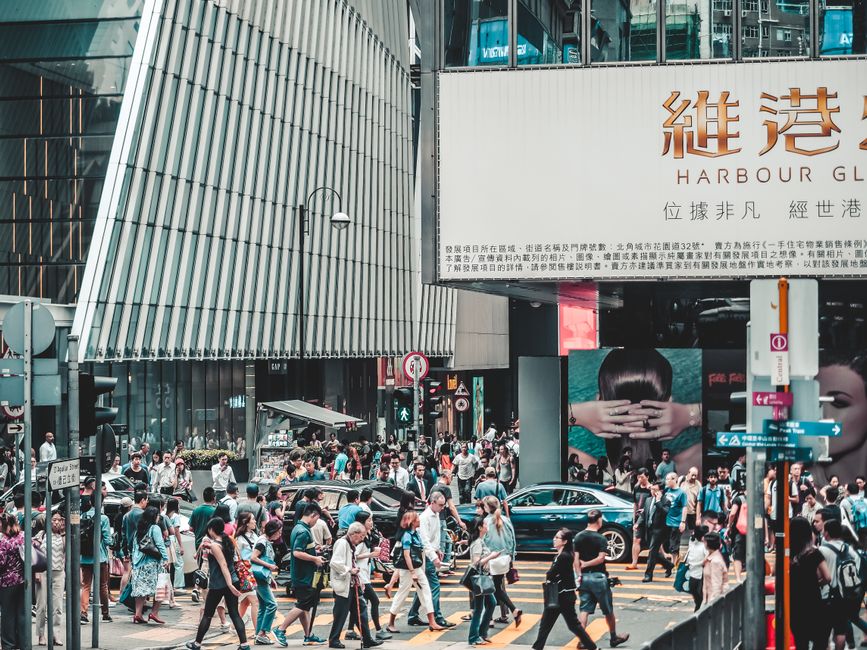
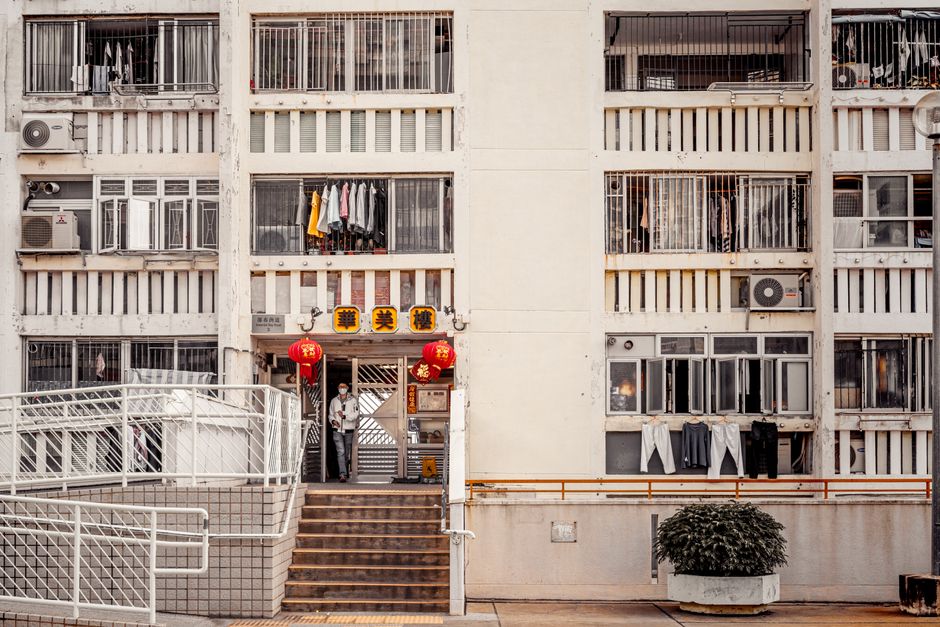
Walk through Sheung Wan on any weekday morning and you'll witness something vanishing from world cities: genuine, unscripted street life. Elderly residents haggle at wet markets while young professionals grab coffee at independent cafes squeezed between centuries-old Chinese medicine shops. This coexistence—where a neighbourhood simultaneously serves as someone's living room and someone else's commute—defines Hong Kong in ways that neatly zoned cities like Singapore or Dubai simply cannot replicate.
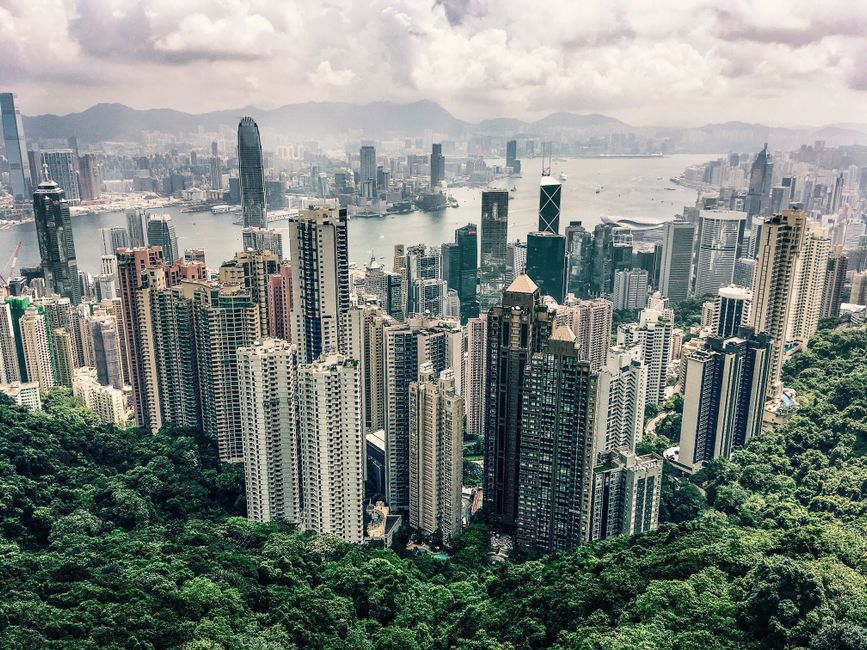
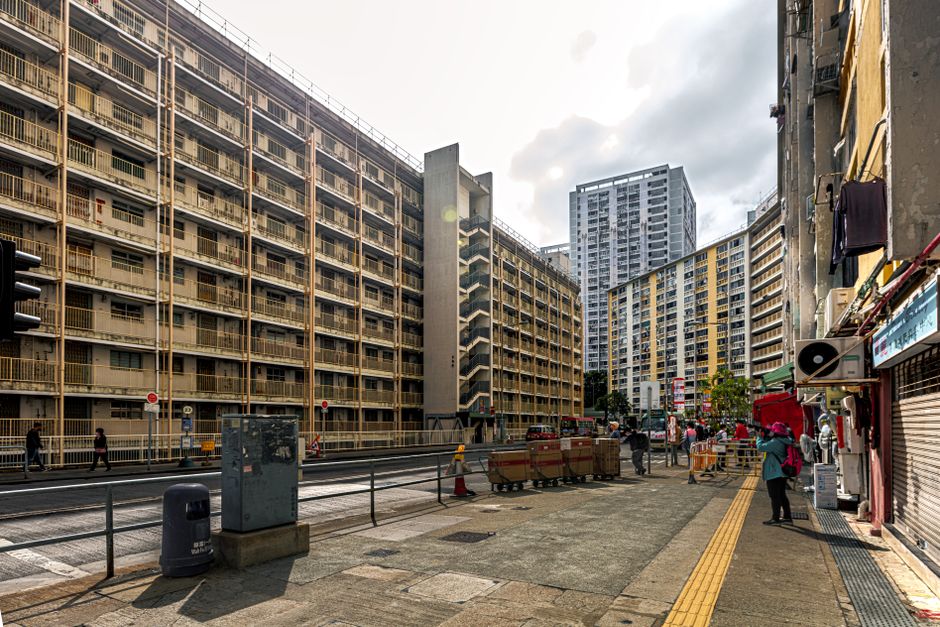
The fundamental difference lies in density married with verticality. Hong Kong packs 7.5 million people into 1,104 square kilometres, with neighbourhoods building upward rather than outward. This creates an architectural democracy: a dim sum restaurant might operate on the ground floor of a residential tower where families have lived for three generations, their children now running tech startups from co-working spaces on the same block. In areas like Mong Kok, you'll find eight storeys of human activity compressed into a single street frontage—something Western cities abandoned decades ago.
This vertical stacking generates unexpected intimacy. In Sai Kung, fishing villages perch alongside modern waterfront developments, creating a narrative that most gentrified neighbourhoods globally have erased. Meanwhile, neighbourhoods like Tai Hang preserve traditional mid-rise charm; walking its narrow alleys, you encounter real communities rather than Instagram backdrops. The Lunar New Year decorations aren't corporate installations—they're neighbours collectively transforming public space.
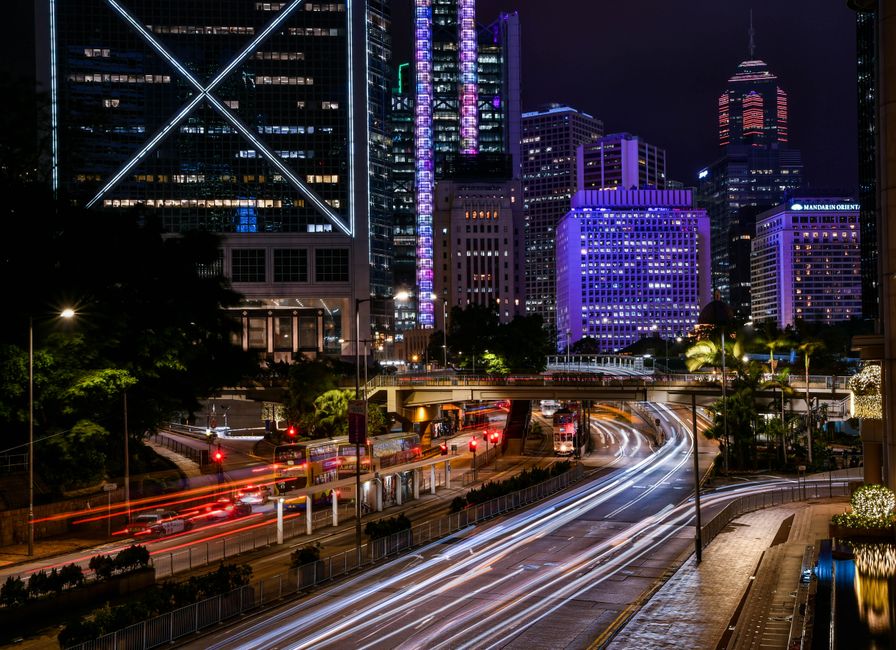
What truly distinguishes Hong Kong is the concept of the neighbourhood serving multiple simultaneous functions without segregation. In Central, a single street contains Michelin-starred restaurants, government offices, temple prayer halls, and family-run noodle shops operating since the 1970s. Property prices—averaging 1.3 million HKD per square metre in prime areas—force this mixing; you cannot isolate yourself into a monolithic community.
Compare this to aspirational global cities: London's neighbourhoods increasingly become lifestyle brands (Shoreditch, Notting Hill), while New York's commercial districts have hollowed into tourist zones. Hong Kong's neighbourhoods resist this curation. Cat Street in the Mid-Levels retains independent galleries and vintage dealers alongside luxury boutiques. The wet markets of Ap Lei Chau persist not through heritage protection but because locals genuinely use them daily.
This is not sentimentality. Hong Kong's neighbourhood character emerges from economic necessity, building codes, and geography combining to prevent the homogenisation that defines 21st-century urbanism elsewhere. In a world of increasingly similar cities, Hong Kong's neighbourhoods remain stubbornly, messily, authentically themselves.
This article was compiled by AI and screened before publishing. See our editorial standards.