Hong Kong's relocation industry thrives on glossy promises, but the truth lives in the lived experience of people who've already made the jump. Skip the corporate relocation packages for a moment and hear from long-term expat residents navigating everything from visa renewals to neighbourhood hunting.
Location remains paramount. Central and Mid-Levels command premium rents—easily HK$40,000–60,000 monthly for a modest two-bedroom—but proximity to offices, schools, and dining justifies the cost for many. Sai Ying Pun, just west of Central, has emerged as the neighbourhood where expats actually live affordably while remaining connected. The area's restoration of heritage buildings along Des Voeux Road West and the growing community around Kam Tien Street offer authenticity without isolation. Sheung Wan, similarly, provides walkable access to the Peak Tram, Central's business district, and genuinely local wet markets on Graham Street.
The MTR is non-negotiable infrastructure. At HK$2.60 per journey, it's cheaper than most global cities, but downloading the MTR Mobile app saves seconds queuing for tickets. Peak hours (7–9am, 5–7pm weekdays) transform the system into controlled chaos; adjust your routine or expect elbows.
Getting a mobile number requires your passport and an HKID if you have one. SmarTone, CSL, and China Mobile dominate, with monthly plans ranging from HK$100 for basic data to HK$300+ for unlimited bundles. Many locals recommend dual SIMs—one phone, two networks—for uninterrupted connectivity.
Banking frustrates newcomers universally. Opening an account demands proof of address, usually a utility bill or tenancy agreement. HSBC and Standard Chartered understand expat needs, though processing takes weeks. WeChat Pay and Alipay, meanwhile, handle 95% of daily transactions; carry cash only for street markets and older establishments.
Housing deposits typically run three months' rent, payable upfront. Avoid unlicensed agents on Nathan Road in Mong Kok; use established firms like Midland or Knight Frank, or explore Facebook expat groups where residents post direct rentals. Utilities—water, electricity, gas—cost roughly HK$800–1,200 monthly depending on season and usage.
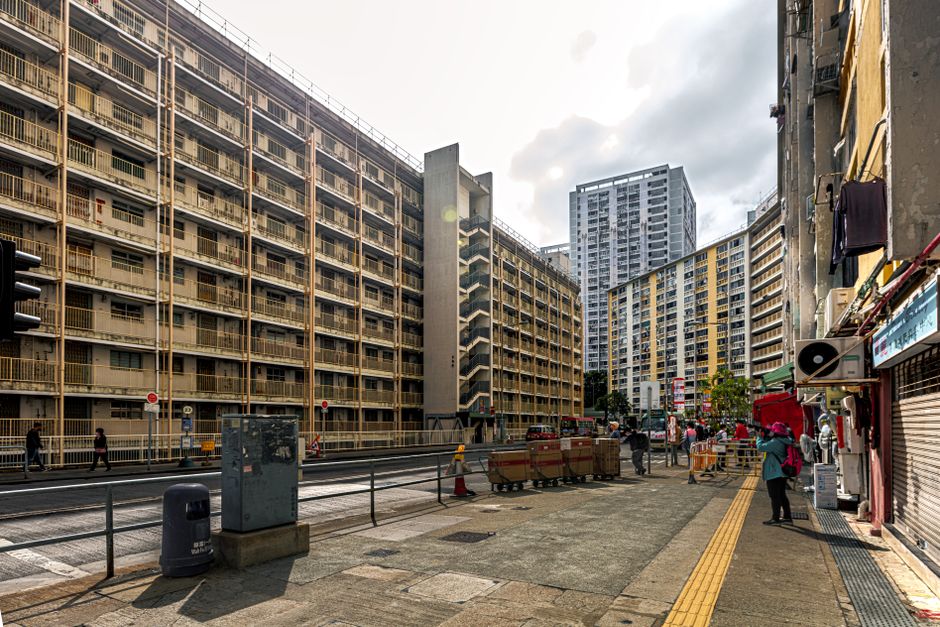
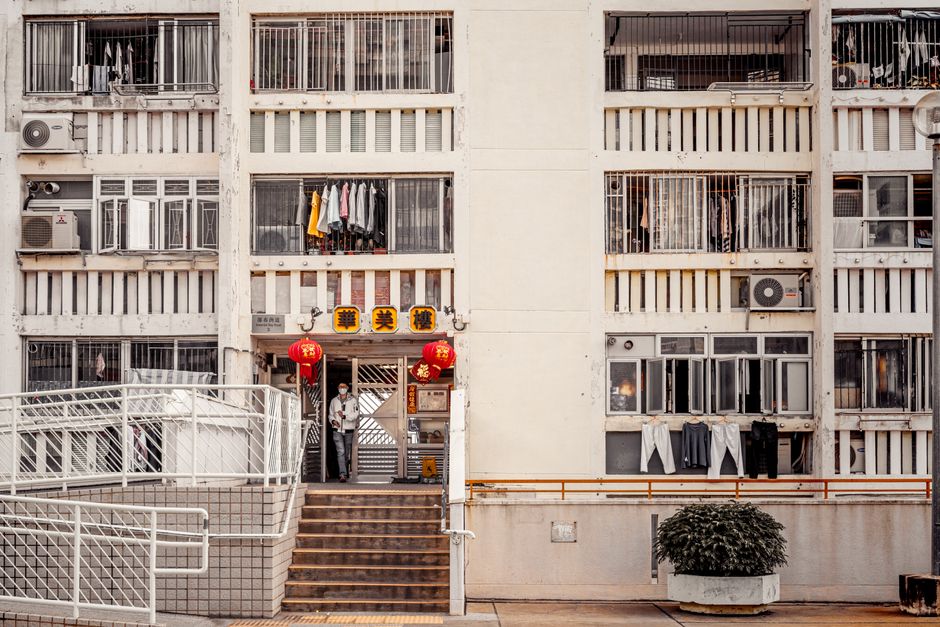
Neighbourhoods reveal themselves slowly. Wan Chai's neon-soaked bars contrast sharply with daytime reality; Causeway Bay pulses with relentless commerce; Quarry Bay's monolithic residential towers house thousands yet feel oddly isolating. Spend weekends exploring before committing financially.
Finally, patience with bureaucracy is your most valuable asset. Visa renewals, work permits, and healthcare registration all require stamina. But locals across the city agree: once these systems click into place, Hong Kong's energy, efficiency, and opportunity make the hassle worthwhile.
This article was compiled by AI and screened before publishing. See our editorial standards.