Walk through Mid-Levels on a Saturday morning and you'll witness a phenomenon that defines Hong Kong parenting in 2026: children shuttling between tuition centres on Mid-Autumn Festival Street, their schedules packed with enrichment activities that would exhaust most international families. This frenetic pace isn't unique to Hong Kong, but the constraints driving it are.
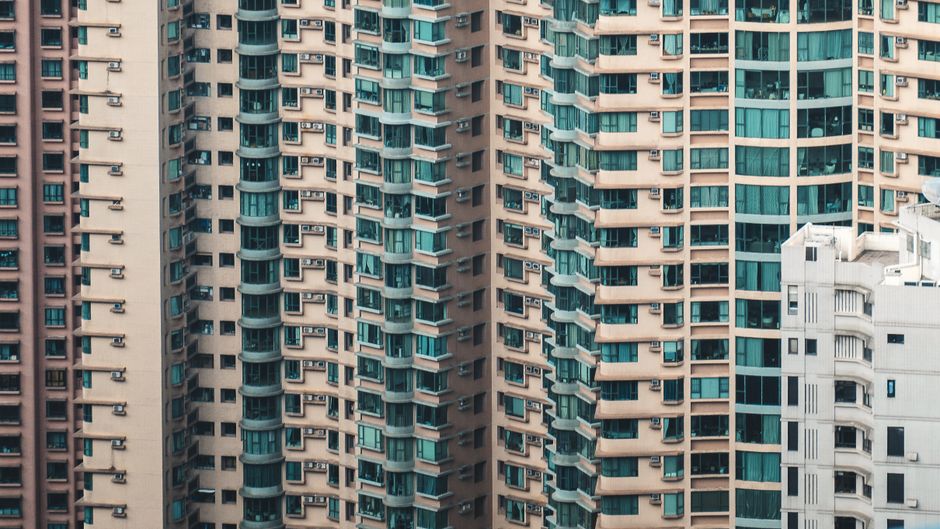
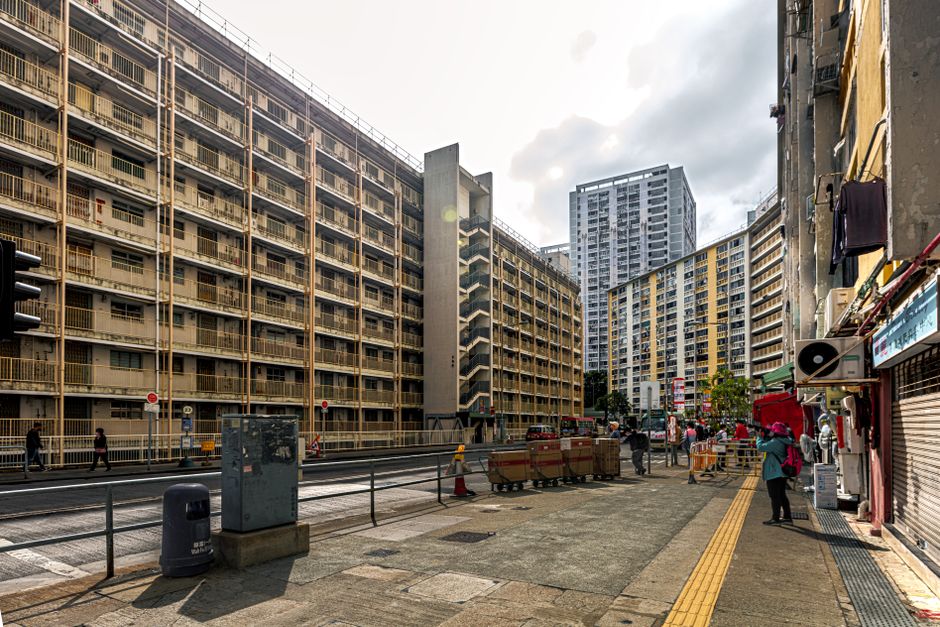
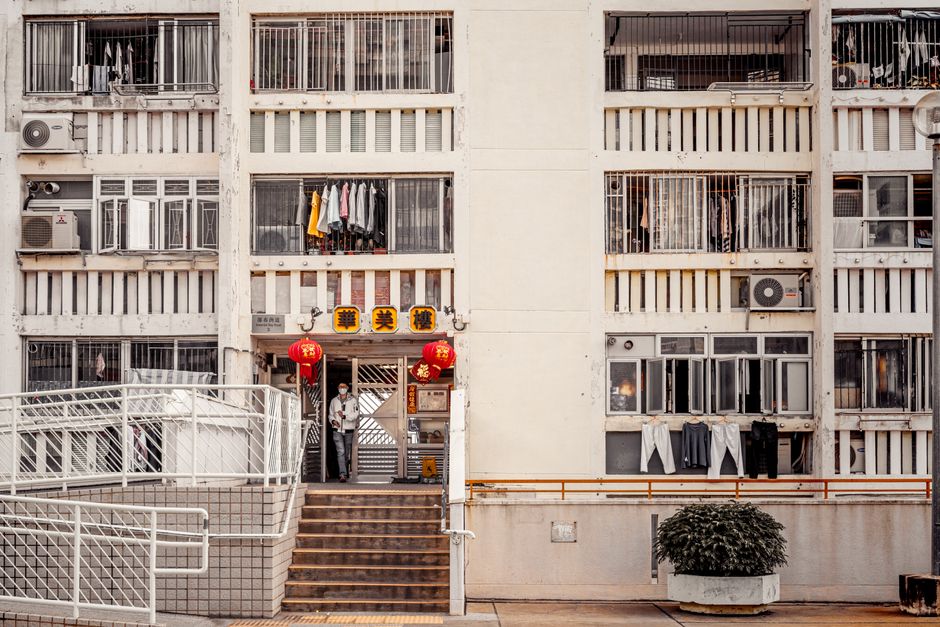
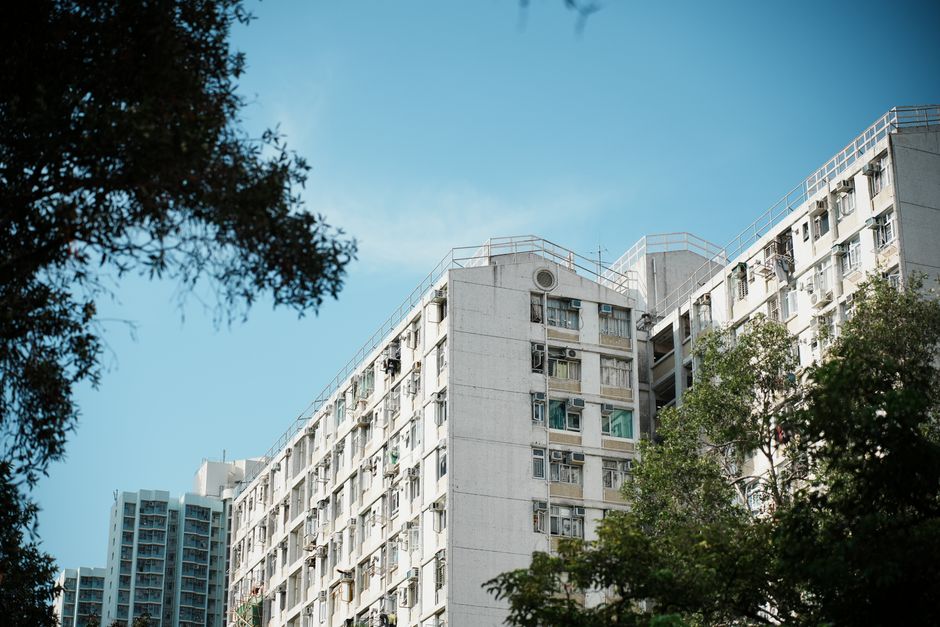
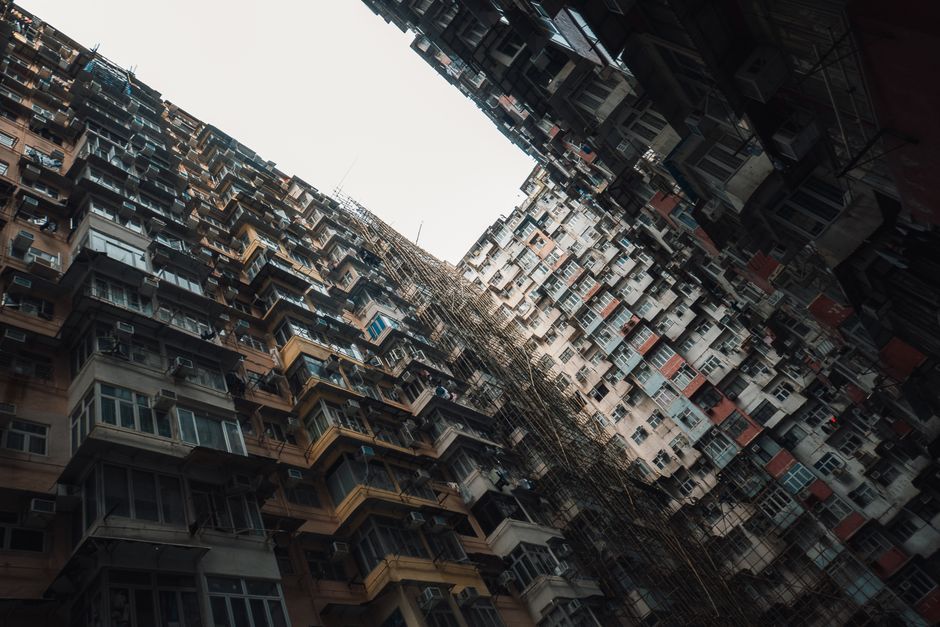
The average Hong Kong flat measures just 500 square feet—roughly half the size of comparable urban apartments in Singapore or London. This spatial reality fundamentally reshapes how families approach childhood development. Rather than playing in backyards or nearby parks, Hong Kong children often spend afternoons in structured environments: tuition centres in Causeway Bay, swimming lessons at the YMCA on Macdonnell Road, or piano studios tucked into tight commercial buildings across the harbour. Parents aren't simply choosing enrichment; they're solving an architectural problem.
School fees reflect another distinctly Hong Kong pressure. International schools average HK$200,000 annually, while prestigious local Chinese-medium schools can exceed HK$150,000. This financial commitment intensifies parental investment in every educational choice. Unlike many Western cities where neighbourhood schools suffice, Hong Kong parents treat school selection as a high-stakes strategic decision, with competition for spots beginning in nursery—a phenomenon less pronounced in cities with more evenly distributed educational quality.
Yet Hong Kong parenting also offers rare advantages. The city's extraordinary density means nearly everything is accessible by public transport. A child in Sheung Wan can reach Victoria Park, the Hong Kong Museum of History, or the Peak Tram within 15 minutes—multimodal mobility that suburban parents in sprawling cities cannot match. Extended family often lives nearby, providing childcare support uncommon in increasingly dispersed Western societies.
The compact nature also creates an intense parenting community. School parent associations, WhatsApp groups for particular playgrounds in Central or Mid-Levels, and word-of-mouth recommendations about tutors travel at remarkable speed. This connectivity generates both pressure and support—parents feel simultaneously more watched and more supported than peers in larger, more anonymous cities.
Most distinctively, Hong Kong parenting happens against a backdrop of persistent uncertainty. Recent years have seen families reassess their long-term commitment to the city, creating an atmosphere where decisions feel provisional. School choices, residential locations, and educational philosophies are debated with an intensity born from questioning whether Hong Kong remains the right place to raise children.
The result is parenting culture that is simultaneously ultra-intensive and pragmatically flexible—uniquely shaped by this extraordinary city's extraordinary constraints.
This article was compiled by AI from the sources linked above and screened before publishing. See our editorial standards.