Moving to Hong Kong? Here's What Locals Actually Want You to Know
Forget the glossy brochures—expat residents share their hard-won wisdom on neighbourhoods, transport, costs and surviving the humidity.
2 min read
Forget the glossy brochures—expat residents share their hard-won wisdom on neighbourhoods, transport, costs and surviving the humidity.
2 min read
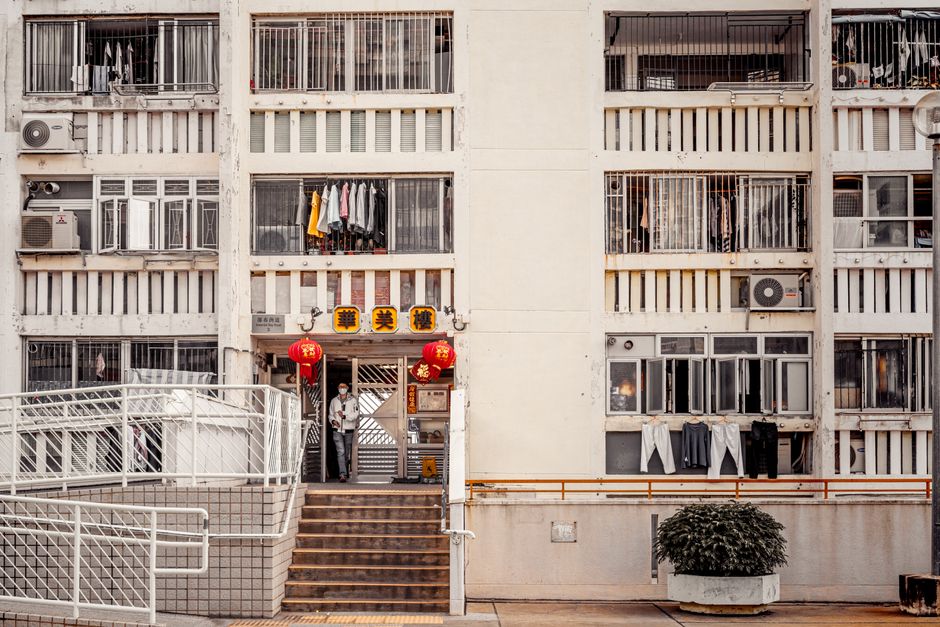
Hong Kong's expat community is vast, transient, and brutally honest. After speaking with dozens of long-term residents across the financial district, New Territories, and Kowloon, one truth emerges: what works for a banker arriving at KPMG may horrify a teacher settling into a family life.
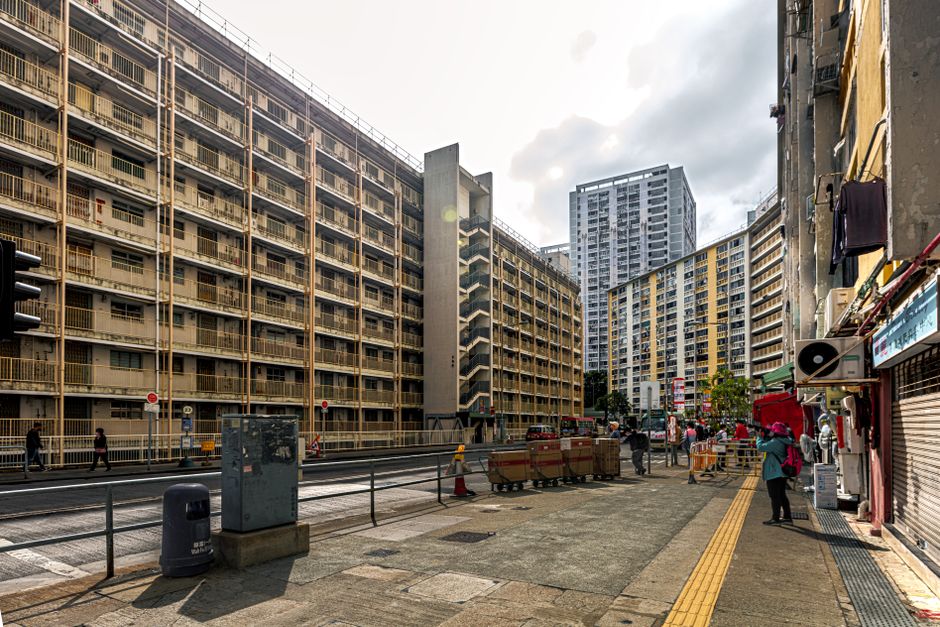
Start with location strategy. Mid-levels and Central sound prestigious but carry rents of HK$60,000–80,000 monthly for a two-bedroom. Locals consistently recommend Sheung Wan or Sai Ying Pun instead—walkable, bohemian, with better value near the waterfront. Across the harbour, Kowloon's Mong Kok and Sham Shui Po offer raw energy and genuinely affordable dim sum, though noise levels suit young professionals more than families. For families, Peak, Repulse Bay, and Discovery Bay command premium prices, but residents note the international schools cluster there for reason.
The MTR is efficient—genuinely world-class—but download the MTR app immediately and budget HK$150–200 monthly for a typical commute. Locals stress: avoid peak hours (7:30–9:00 am eastbound, 5:30–7:00 pm westbound) unless you enjoy bodily contact with 8 million strangers. Many expats swear by bicycles for neighbourhood travel; Ofo and Gobee bike-sharing schemes operate cheaply, though theft remains real.
Food culture surprises newcomers. Michelin-starred dim sum in Central exists, yes—but locals eat HK$30–50 breakfast at neighbourhood cha chaan tengs (Hong Kong-style cafés) instead. Wet markets in Wan Chai and Mong Kok beat supermarkets for vegetables and cost. For expat grocers, ParknShop and Wellcome are ubiquitous but pricey; save money by exploring Chinese chains like Jusco.
Healthcare surprises many: private clinics and dentists operate at international standards but without subsidies. Expect HK$500–1,000 for a GP visit. Public hospitals serve locals well but face waiting times. Expats typically use private insurance through employers or international providers like Aetna or AIA.
The heat and humidity (80–90% humidity June–September) require mental preparation. AC-dependent buildings, frequent hydration, and loose cotton clothing become non-negotiable. Many expats schedule holidays during summer precisely to escape.
Finally, locals emphasize: embrace neighbourhood culture actively. Join running groups on Trail or sports clubs via expatica.com. Attend community events in your area. Hong Kong rewards those who engage deeply, not those treating it as a layover. Six months in feels like a year; four years feels like six months. Time moves strangely here—but those who plant roots rarely leave willingly.
This article was compiled by AI from the sources linked above and screened before publishing. See our editorial standards.
About this article
Published by The Daily Hong Kong
Spread the word
Daily brief
Free, in your inbox before 7am. Weekdays.
Before you go
The day's Hong Kong news in a 2-minute read. Free, weekday mornings.