For years, Hong Kong's weekend blueprint was predictable: Central shopping district, Victoria Peak, repeat. But 2026 has quietly rewritten the script. The completion of the expanded New Lantau Bus Network and enhanced ferry services to the Outlying Islands has fundamentally shifted how locals spend their downtime—and they're embracing the change with genuine enthusiasm.
The catalyst? A combination of factors. First, the newly upgraded Star Ferry piers now accommodate weekend-only express services to Cheung Chau and Peng Chau, cutting travel time by nearly 40 per cent. That means Hongkongers who once spent two hours commuting can now be swimming at Tung Wan Beach or exploring Cheung Chau's artisan neighbourhood by 10 a.m. Second, the opening of the Lantau North Coast promenade—a 3.5-kilometre waterfront path stretching from Tung Chung to Sunny Bay—has transformed what was previously industrial wasteland into a genuine leisure destination.
"The game-changer is accessibility," explains footfall data from the Tourism Board, which shows weekend visitors to the Outlying Islands have increased 34 per cent since January. What's striking is the demographic: increasingly, these aren't tourists but locals aged 25-45 seeking respite from urban density.
Mui Wo, long dismissed as sleepy, has emerged as the unexpected winner. The village's restored traditional fishing communities now welcome weekenders to family-run seafood restaurants along the waterfront—meals averaging HK$180-250 per person, significantly cheaper than Central dining. The Heritage Museum's expansion into two restored colonial shophouses on Ngan Ho Road has given visitors legitimate cultural anchors beyond beach time.
Wellness tourism is another thread. Lamma Island's wellness retreat circuit—including newly licensed yoga studios and forest-bathing experiences on the Lamma Family Trail—has attracted locals seeking digital detox weekends. Prices range from HK$800 for half-day guided forest walks to HK$2,500 for overnight wellness packages.
Even traditional favourites have evolved. Stanley's waterfront underwent significant pedestrianisation in Q1 2026, making it genuinely walkable for the first time in decades. Local cafes along Stanley Main Street report 45 per cent more weekend foot traffic than last year.
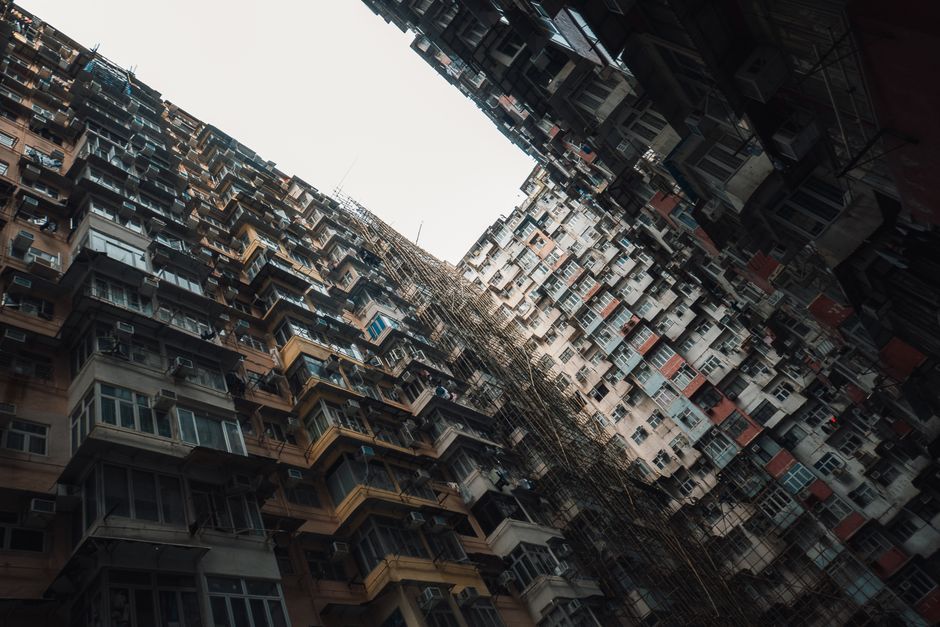
The shift reflects something deeper: post-pandemic, Hongkongers have recalibrated what "relaxation" means. The cramped, consumption-focused weekend model feels antiquated. Access to nature, slower rhythms, and authentic local experiences now compete fiercely with shopping and dining—and they're winning.
This article was compiled by AI from the sources linked above and screened before publishing. See our editorial standards.