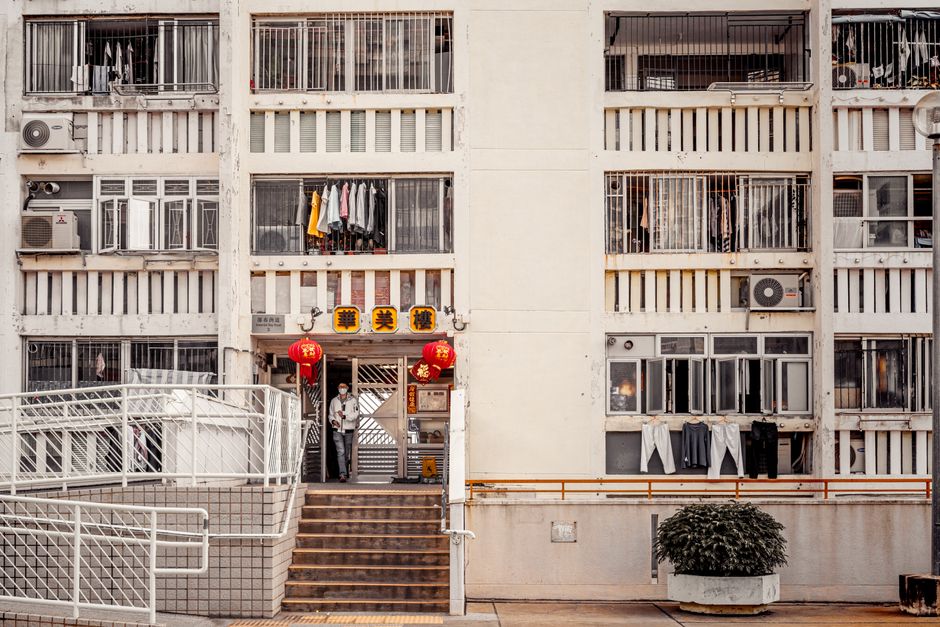
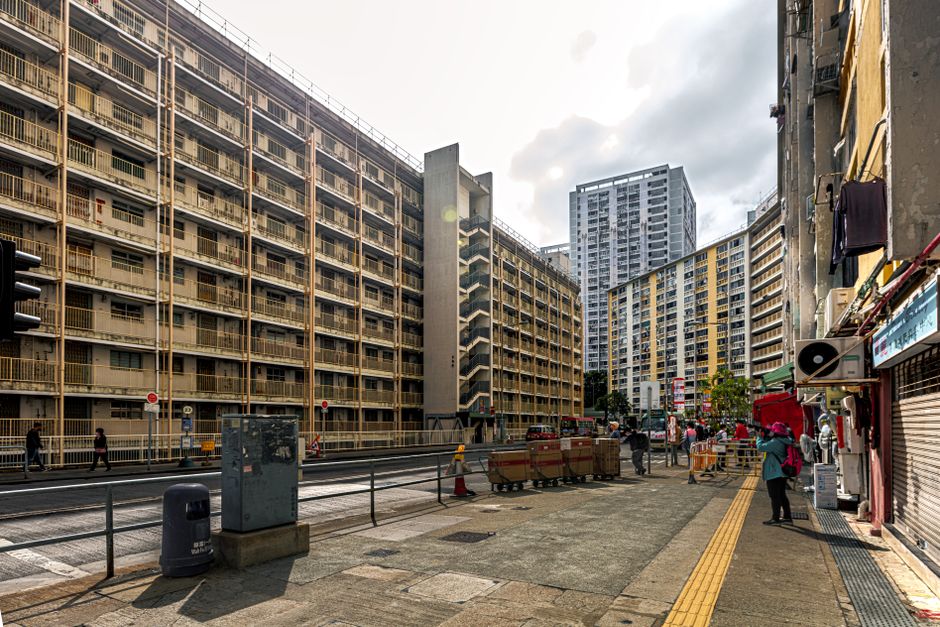
For decades, Sheung Wan meant one thing to most expatriates: a quick transit hub between Central and the Western Harbour Tunnel. But walk down Des Voeux Road West today and you'll discover a neighbourhood in the midst of profound transformation—one that's quietly become essential reading for anyone relocating to Hong Kong in 2026.
The shift began subtly. Three years ago, the stretch between Jervois Street and Hollywood Road was dominated by traditional Chinese medicine shops, dim sum restaurants, and fabric wholesalers. Now, artisanal roasters occupy ground floors once reserved for dried seafood vendors. The arrival of specialty coffee chains like %Arabica and Elephant Grounds sparked a cascade of lifestyle upgrades that transformed foot traffic patterns entirely. Peak-hour crowds now include remote workers hunting WiFi as much as locals seeking breakfast dim sum.
Property data reflects this transition. According to recent Knight Frank reports, residential rents in Sheung Wan climbed 12% year-on-year, making it increasingly attractive to mid-career expats priced out of Central's astronomical HK$80,000-plus monthly rates for two-bedroom apartments. Available studios now average HK$22,000-HK$26,000—a 15% premium from 2023, but still 40% cheaper than neighbouring Soho.
What's driving the appeal isn't just economics. New wellness spaces like yoga studios on Gough Street and independent gyms clustered around Morrison Street cater to expats seeking community beyond corporate expat packages. The Sheung Wan Community Centre, recently renovated, now hosts networking events specifically designed for newcomers, alongside traditional Cantonese language classes.
The neighbourhood's restaurant scene has shifted too. While dai pai dong culture persists—and should, locals insist—international dining options have exploded. Mediterranean bistros, Vietnamese pho specialists, and Korean BBQ joints now sit comfortably alongside 70-year-old wonton noodle stalls, creating genuine cross-cultural dining that reflects modern Hong Kong's actual demographic.
For relocation consultants, Sheung Wan presents an increasingly compelling pitch: significantly lower barriers to entry than Central, authentic neighbourhood character still intact, and genuine community infrastructure—not just expat enclaves. The MTR remains efficient. Ferries to outlying islands depart nearby. The neighbourhood hasn't abandoned its roots; it's simply expanded them.
By late 2026, expect Sheung Wan to consolidate its position as the thinking expat's alternative to predictable Central living. It's evolution, not replacement—and that distinction matters enormously when you're building a Hong Kong life that actually feels lived in.
This article was compiled by AI from the sources linked above and screened before publishing. See our editorial standards.