Moving to Hong Kong is exhilarating—but the first weeks can feel overwhelming. The 7.5 million residents, relentless pace, and towering skyline demand a strategic approach. Whether you've arrived for work or a fresh start, here's how to transition from disoriented expat to confident resident.
Master Your Commute First
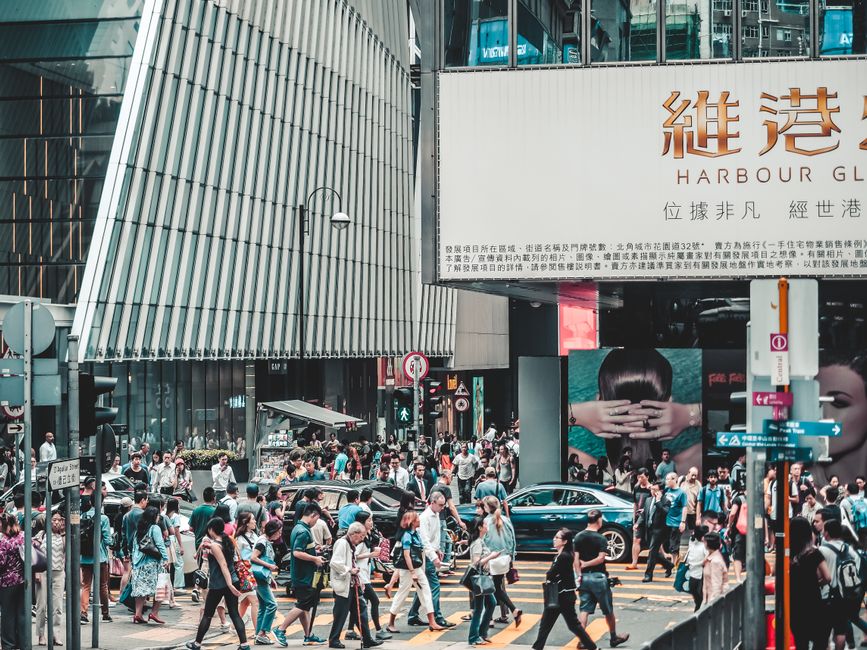
The MTR is your lifeline. Download the official app immediately and invest in an Octopus card—at convenience stores like 7-Eleven or MTR stations—for seamless travel across trains, buses, and ferries. A single journey costs HK$2.60–HK$16.30 depending on distance. Most expats cluster near MTR hubs: Central and Sheung Wan for finance workers, Causeway Bay for retail professionals, and Mong Kok for younger crowds. Understanding your commute's geography before signing a lease saves months of regret.
Find Your Neighbourhood
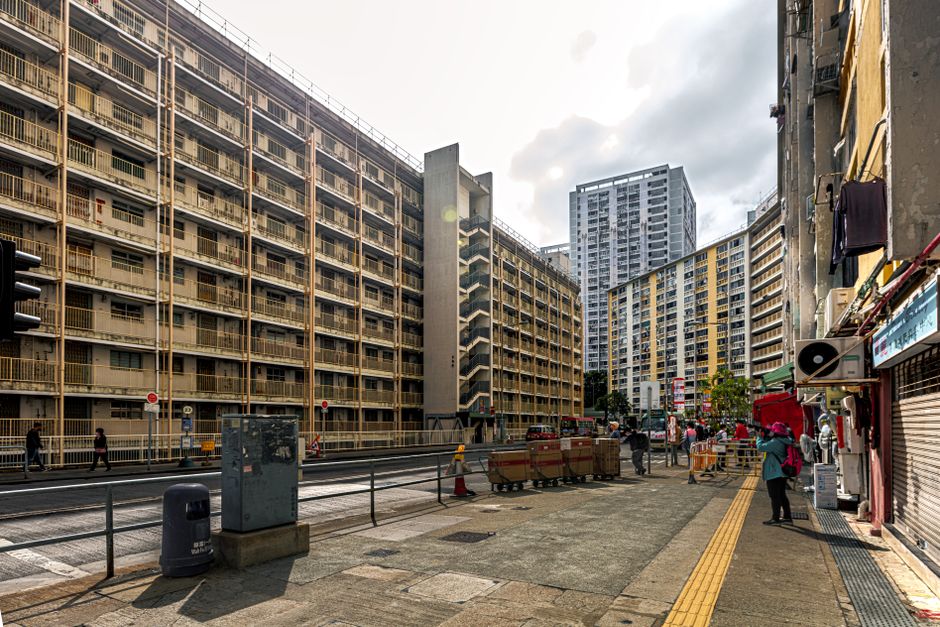
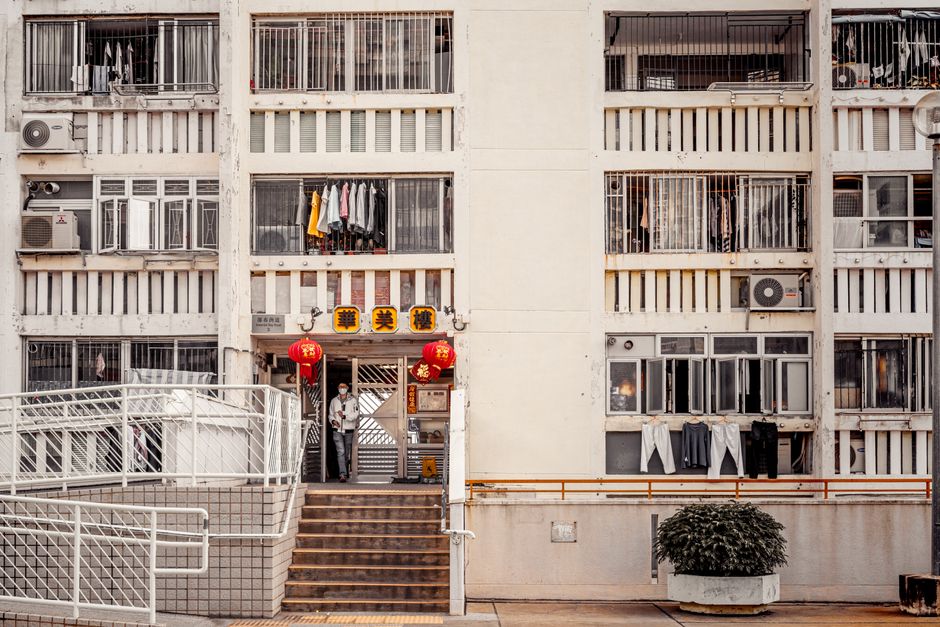
Hong Kong isn't monolithic. Mid-Levels offers colonial charm and leafy streets perfect for families. Sai Ying Pun, west of Central, has exploded with independent cafés and galleries—increasingly favoured by creative expats. Across the harbour, Quarry Bay's Brutalist housing blocks attract photographers and architects. Monthly rent ranges wildly: expect HK$25,000–HK$35,000 for a modest one-bedroom in popular areas, double that for premium addresses. Visit neighbourhoods at different times—weekday mornings feel entirely different from weekend evenings.
Build Your Social Infrastructure
The expat community is vast but can feel cliquey. Join interest-based groups through platforms like Internations or Facebook community pages rather than relying solely on corporate networks. Athletic expats gravitate toward running clubs along the Promenade or the vibrant hiking scene: trails like Dragon's Back offer stunning views and local friendships. Community centres like those run by the Kadoorie Institute offer affordable Cantonese classes, essential for genuine integration.
Navigate Practical Essentials
Open a bank account early—bring your passport, visa, and proof of address. Health insurance isn't mandatory but strongly advised; many employers cover this. Supermarkets like ParknShop and Wellcome are ubiquitous, but wet markets in Sham Shui Po or Graham Street deliver authenticity and cheaper produce. Mobile plans are remarkably affordable: data-heavy packages cost HK$200–HK$400 monthly.
Embrace the Culture, Gradually
Respect local customs: dress conservatively in temples, queue patiently, and learn basic Cantonese greetings. Don't expect English everywhere outside tourist zones. Eat local constantly—dim sum breakfasts, noodle stalls, dai pai dong restaurants—these are where Hong Kong's soul lives.
The city rewards curiosity and patience. Give yourself six months to feel truly settled; by then, those daunting streets become your second home.
This article was compiled by AI and screened before publishing. See our editorial standards.