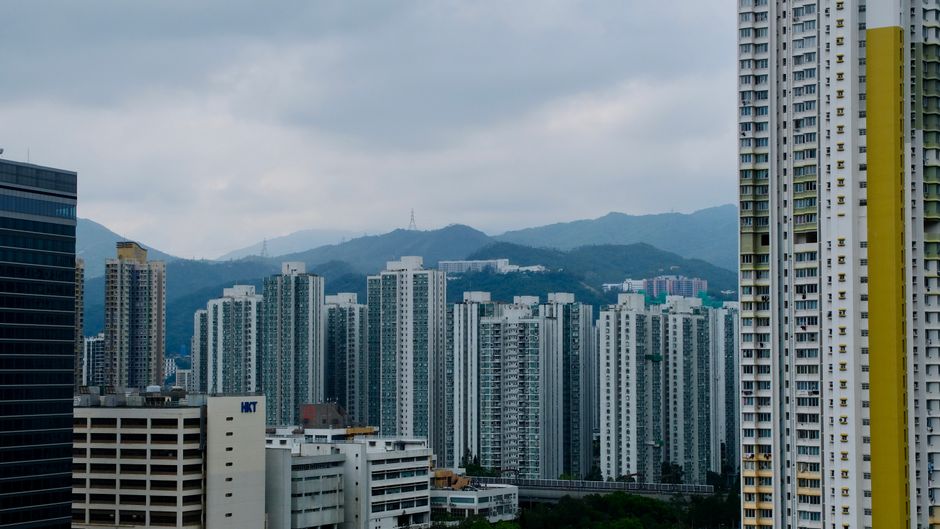
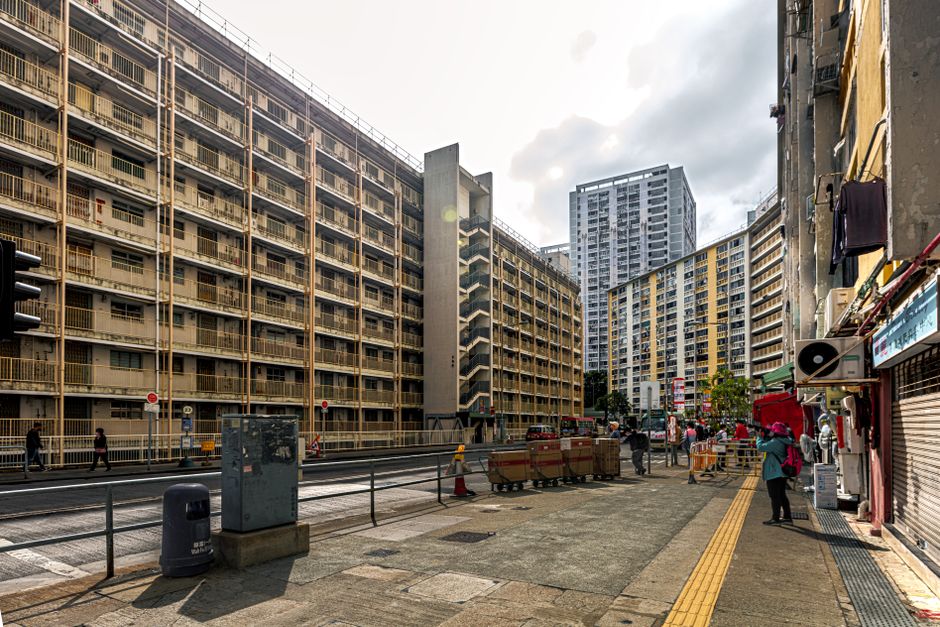
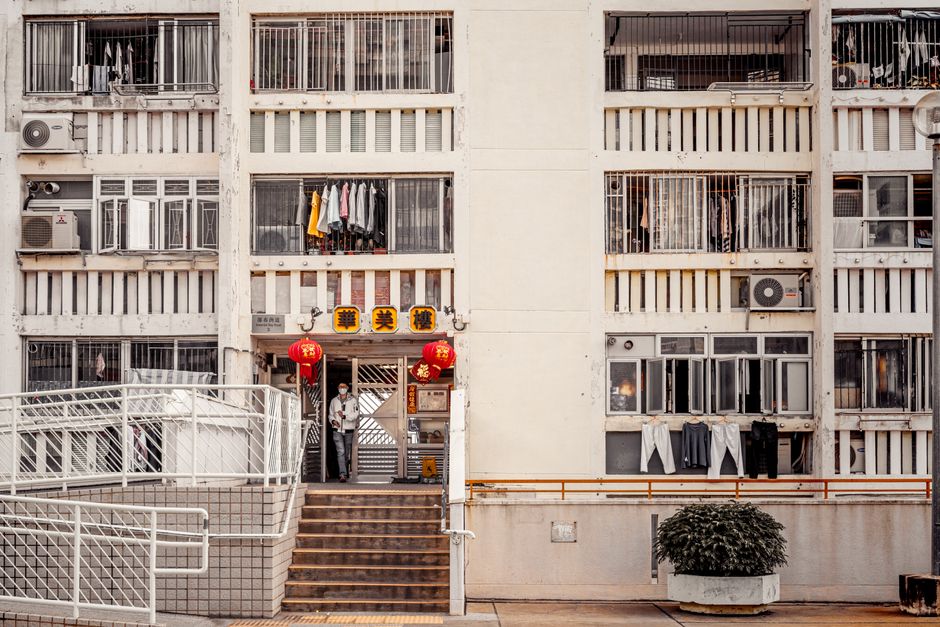
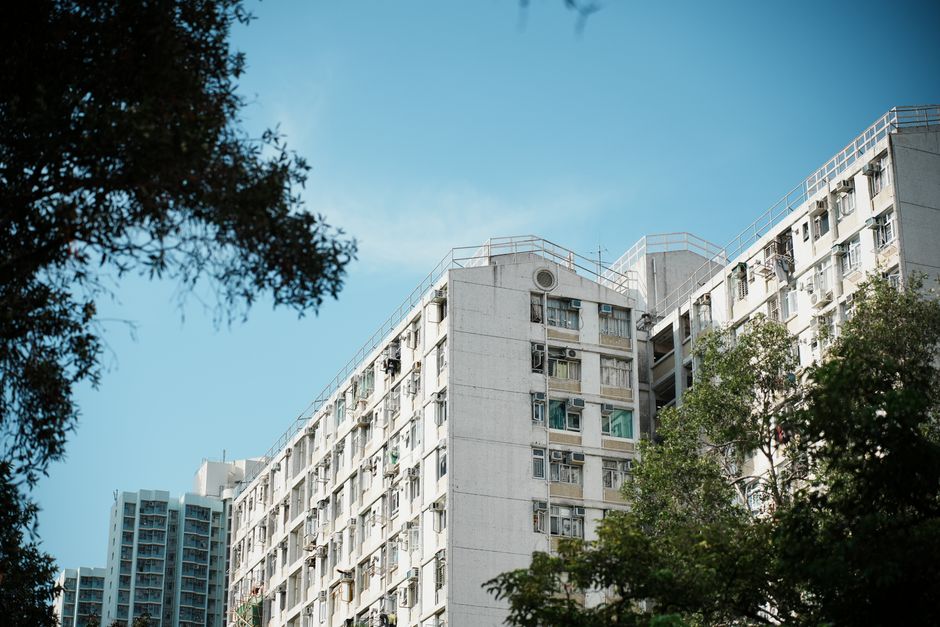
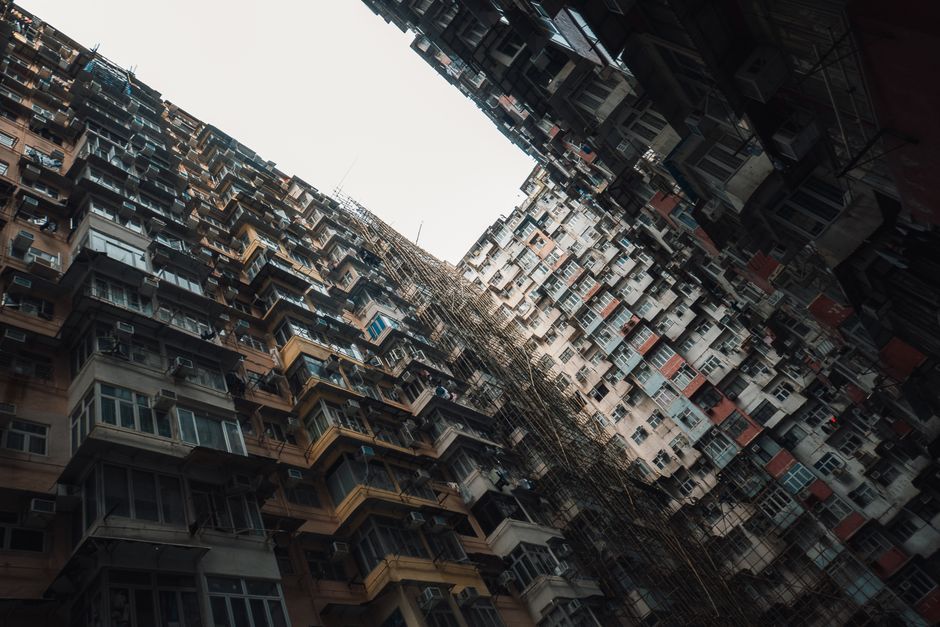
Walk through Sham Shui Po on a Saturday afternoon and you'll notice something striking: the neighbourhood feels alive in a way it didn't five years ago. Once dismissed as purely working-class, this Kowloon enclave has quietly transformed into one of Hong Kong's most compelling urban villages—and locals are genuinely invested in its future.
The shift accelerated dramatically after 2024, when urban renewal initiatives and a wave of independent businesses opened alongside longstanding dim sum halls and fabric vendors. Young families now browse vintage electronics on Apliu Street before grabbing coffee at micro-roasters that barely existed eighteen months ago. Rents remain substantially lower than Central or Causeway Bay—a two-bedroom in nearby residential blocks averages HK$18,000-22,000 monthly, compared to HK$35,000+ across the harbour—yet the neighbourhood no longer feels like a compromise choice.
"What's changed is ownership," explains the Sham Shui Po Community Garden initiative, which transformed underutilised spaces into green commons in 2025. The project attracted hundreds of volunteer hours from residents aged eight to eighty, reflecting genuine neighbourhood pride rather than top-down development.
Similar revivals are reshaping other districts. Sheung Wan, historically tourist-heavy around its antique shops and galleries, has recalibrated around local needs. The opening of three neighbourhood libraries and a redesigned community centre in 2025 gave residents genuine third spaces—not just consumption zones. Property prices have stabilised around HK$65,000 per square foot, making it accessible for young professionals seeking character beyond glass towers.
In North Point, long-suffering from identity confusion between old-school Cantonese culture and transient residents, a grassroots movement to preserve heritage architecture has galvanised community identity. Monthly street art festivals and revived dai pai dong collaborations with contemporary chefs have made the neighbourhood worth visiting—and living—on genuine merits.
These shifts reflect broader patterns: Hong Kong residents increasingly prioritise authentic community connection over prestige addresses. Post-pandemic, priorities shifted. Walk scores matter more than MTR proximity alone. Independent cafes and street-level human interaction outrank shopping mall convenience.
The data bears this out. Property portal Squarefoot reports 34% more residential inquiries in traditionally working-class neighbourhoods during 2025-26 compared to 2023-24, while luxury Central properties saw 12% fewer transactions. Locals aren't fleeing premium districts—rather, they're discovering that neighbourhood character, affordability, and genuine community belong in the same conversation.
For Hong Kong residents weary of homogenised development and isolation, these older neighbourhoods offer something increasingly rare: authentic urban living where you know your grocer's name, participate in local decisions, and belong somewhere real.
This article was compiled by AI from the sources linked above and screened before publishing. See our editorial standards.