Hong Kong's transport infrastructure is often cited as one of Asia's most efficient, and for good reason. With over 12 million journeys daily on the MTR alone, the city's integrated network of trains, buses, trams and ferries makes exploration both affordable and seamless. Whether you're a recent arrival or long-time resident looking to venture beyond your usual routes, understanding how to navigate these systems opens up entire neighbourhoods waiting to be discovered.
Start with the MTR's octopus card—available at any station for HK$50 with HK$100 stored value. This single card works across all transport modes and eliminates daily ticket hunting. The East Rail Line offers particularly rewarding journeys: ride north to Tai Po and explore the waterfront markets, or venture to Fanling to discover heritage temples and local eateries frequented by few tourists. Southern Line services like the Peak Tram aren't just scenic rides; they're gateways to hiking trails and village communities in areas like Pok Fu Lam.
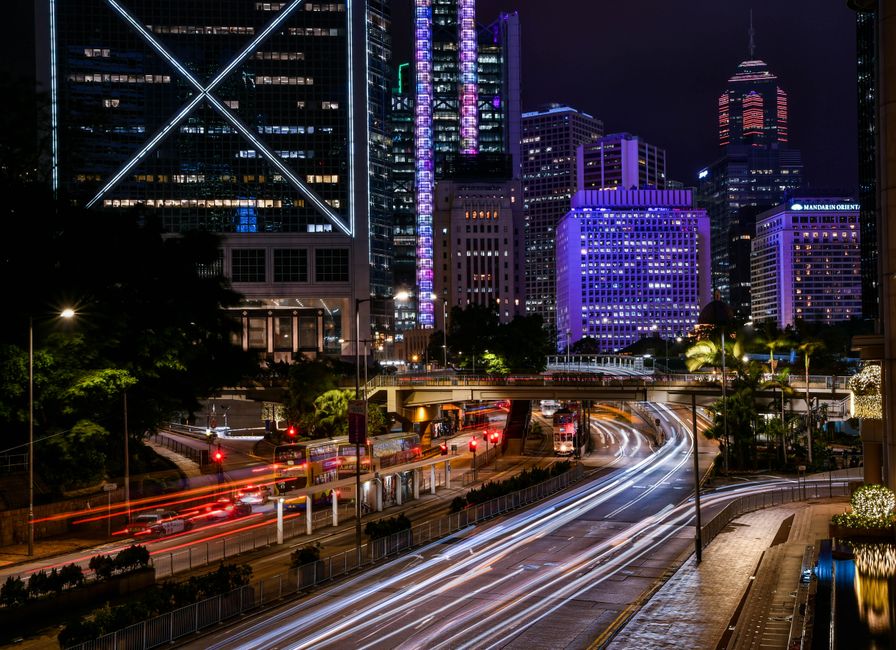
Don't overlook Hong Kong Island's iconic trams, which have run since 1904. A journey on the Double-decker trams along Des Voeux Road Central or towards Happy Valley costs just HK$3.50 and provides genuine local atmosphere while you traverse the island's northern spine. For waterfront exploration, Star Ferries between Central and Tsim Sha Tsui remain one of the world's great commutes—HK$3.50 during off-peak hours—offering perspectives of Victoria Harbour unchanged for decades.
Bus routes require more planning but reward experimentation. The 15M from Central Ferry Pier circles Victoria Peak, while Route 1 traces the entire eastern coast of Hong Kong Island, passing through Aberdeen, Stanley and Shau Kei Wan. New residents often miss these slower-paced options, favouring faster MTR routes, but buses reveal street-level Hong Kong: dai pai dong restaurants, wet markets, and neighbourhood temples invisible from underground trains.
Ferries extend beyond Tsim Sha Tsui. Services to outlying islands—Cheung Chau, Lantau, Lamma—depart from Central Pier with return fares ranging HK$30-50. These aren't day-trip indulgences; they're practical commuting alternatives used by island residents, offering weekend exploration opportunities within the transport network.
The key to mastering Hong Kong's mobility is abandoning the notion that transport is merely functional. Each mode—MTR efficiency, tram nostalgia, bus intimacy, ferry romance—reveals different dimensions of the city. Armed with your octopus card and curiosity, you're equipped to experience Hong Kong beyond your home neighbourhood. The entire city becomes commutable, accessible, and genuinely explorable.
This article was compiled by AI and screened before publishing. See our editorial standards.