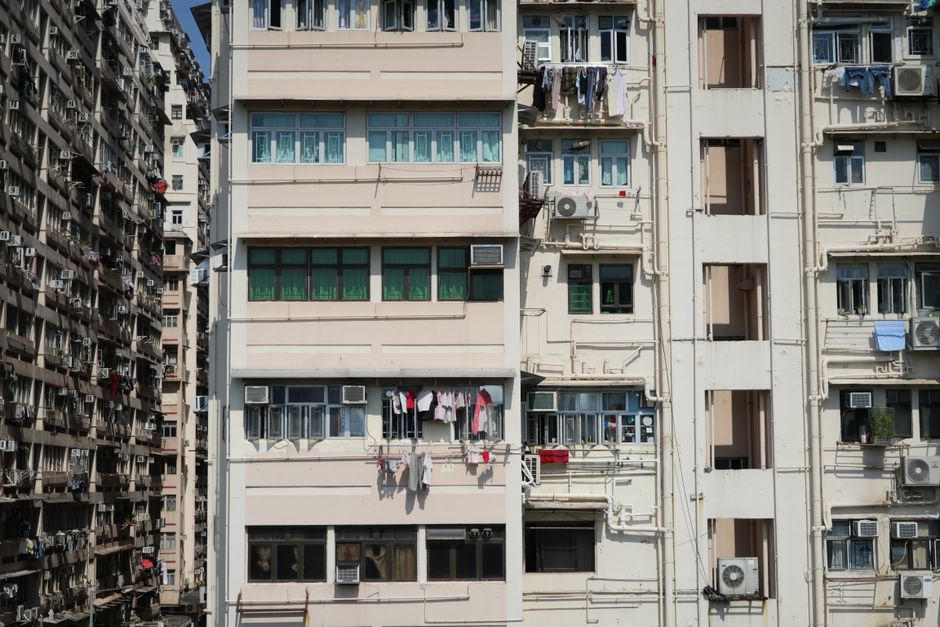
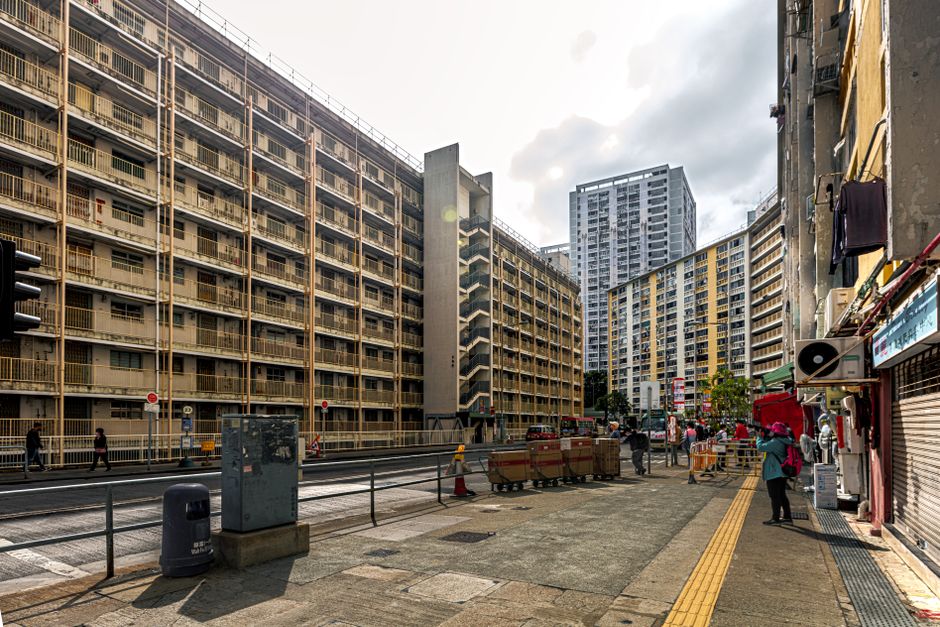
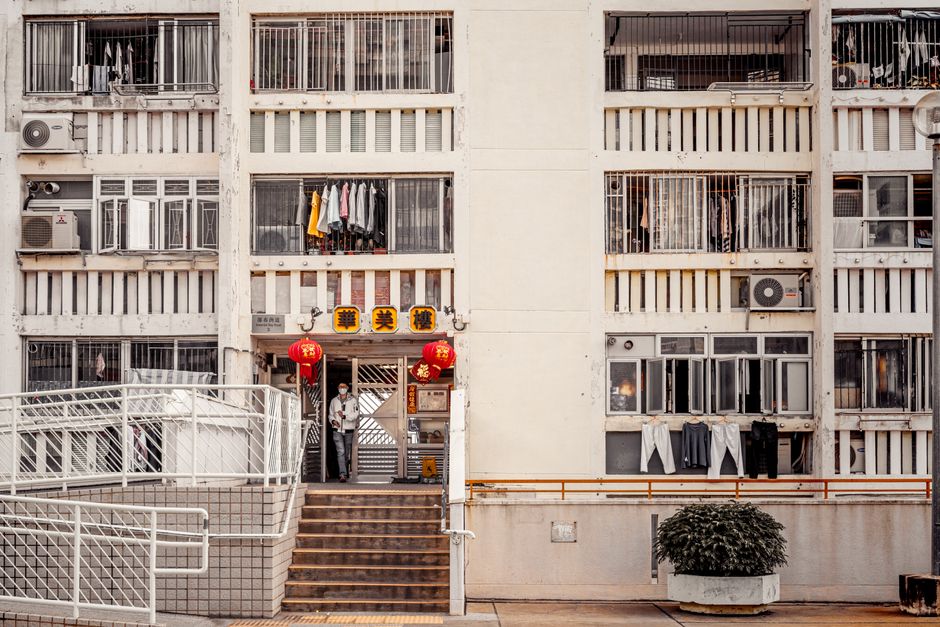
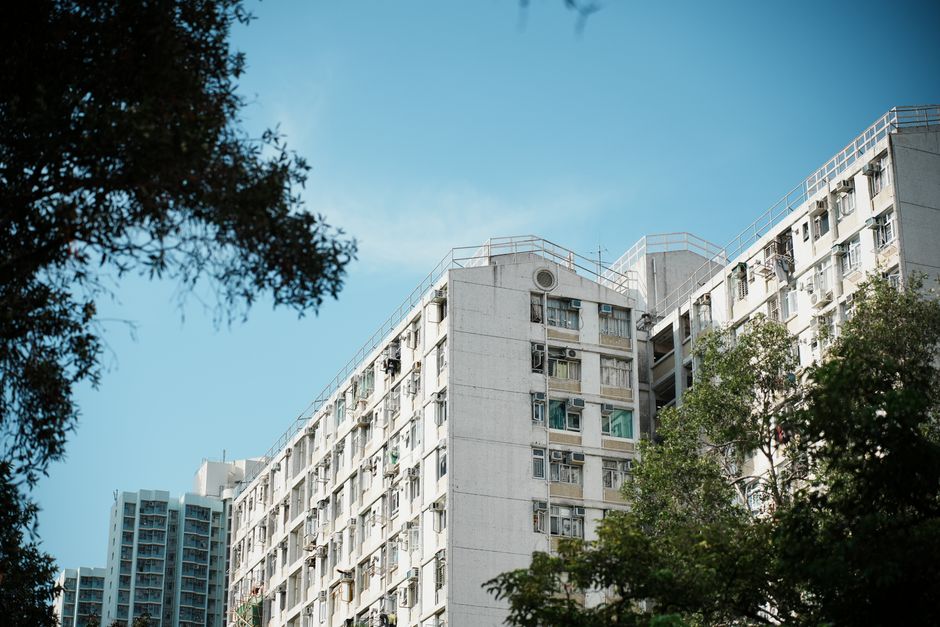
If you're considering a move to Hong Kong in 2026, you're arriving at an inflection point. The city that once thrummed with frantic energy and crowded expatriate social circuits has undergone a subtle but profound shift. And remarkably, locals aren't bemoaning the change—they're embracing it.
The most visible transformation is demographic. After several years of emigration that saw around 100,000 residents depart annually through 2023-24, the outflow has stabilized. What's replacing the exodus is a different breed of expat: remote workers, creative professionals, and entrepreneurs less interested in traditional corporate banking jobs than in building something new. They're settling not in Lan Kwai Fong's neon-lit bars but in revitalized neighbourhoods like Sai Ying Pun and Sheung Wan, where independent cafés and design studios now outnumber hedge fund offices.
Rent has become unexpectedly negotiable. A one-bedroom apartment in Mid-Levels, which commanded HK$35,000–40,000 monthly in 2023, now hovers around HK$28,000–32,000. This breathing room is allowing expats to live outside traditional enclaves like The Peak and Repulse Bay, discovering pockets of authentic Hong Kong in the process. Locals appreciate this diaspora; it means their own neighbourhoods aren't being hollowed out by soaring property prices.
The dining and cultural scene has matured considerably. Rather than chasing Michelin stars, both expats and locals are gravitating toward neighbourhood gems—the dim sum trolleys on Wellington Street, the experimental kitchens in Wong Chuk Hang's converted industrial spaces, the wine bars tucked into PMQ's creative quarter. There's less performative consumption, more genuine exploration.
Public transport and sustainability initiatives have also shifted the experience. The expanded MTR network and improved cycling infrastructure mean fewer expats rely exclusively on private cars or taxis. Community gardens have sprouted in unexpected places; farmer's markets now operate in Kowloon Tong and Tai Koo. Locals notice foreigners engaging with the city's rhythm rather than imposing their own.
Practicalities matter too. Work-visa policies have become more streamlined, particularly for those in tech and creative industries. Schools like Canadian International School and Discovery College have deepened their local curriculum integration, making expat families feel less insular.
The shift isn't about Hong Kong becoming less international—it's about becoming more integrated. Expats arriving now inherit a city where settling in means becoming part of the fabric, not hovering above it. And that's something locals, after years of watching their home transform, can genuinely appreciate.
This article was compiled by AI from the sources linked above and screened before publishing. See our editorial standards.