Why Hong Kong Stands Apart: What Global Relocators Need to Know
From 24-hour dim sum to ultrafast internet, this city defies easy comparison—and that's precisely why expats keep choosing it.
3 min read
Updated 15 h ago
From 24-hour dim sum to ultrafast internet, this city defies easy comparison—and that's precisely why expats keep choosing it.
3 min read
Updated 15 h ago
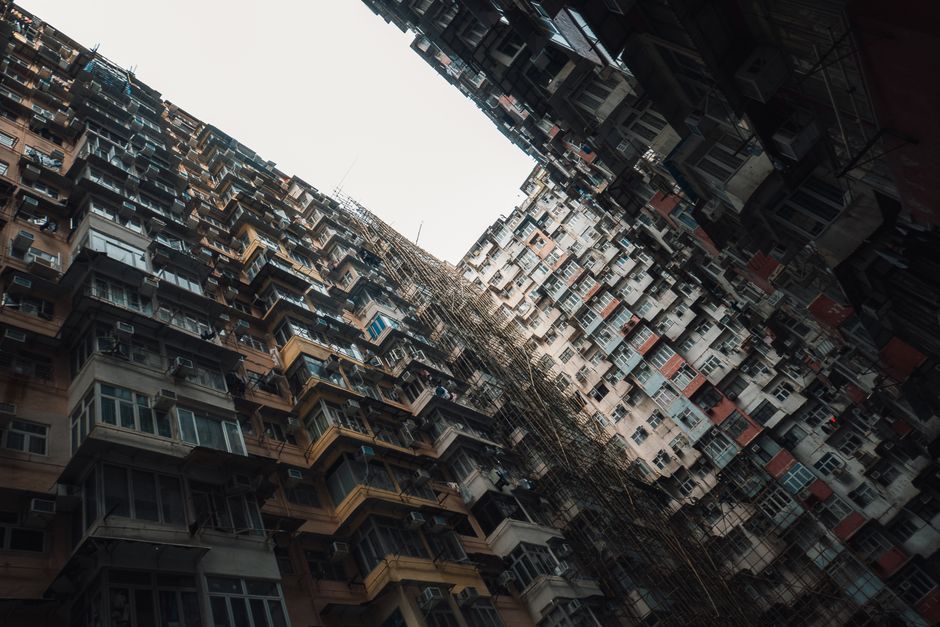
When expats compare notes about relocation destinations—Singapore's gleaming efficiency, Shanghai's rapid ascent, Tokyo's organised chaos—Hong Kong often emerges as the outlier. Not because it's better or worse, but because it operates on fundamentally different rules.
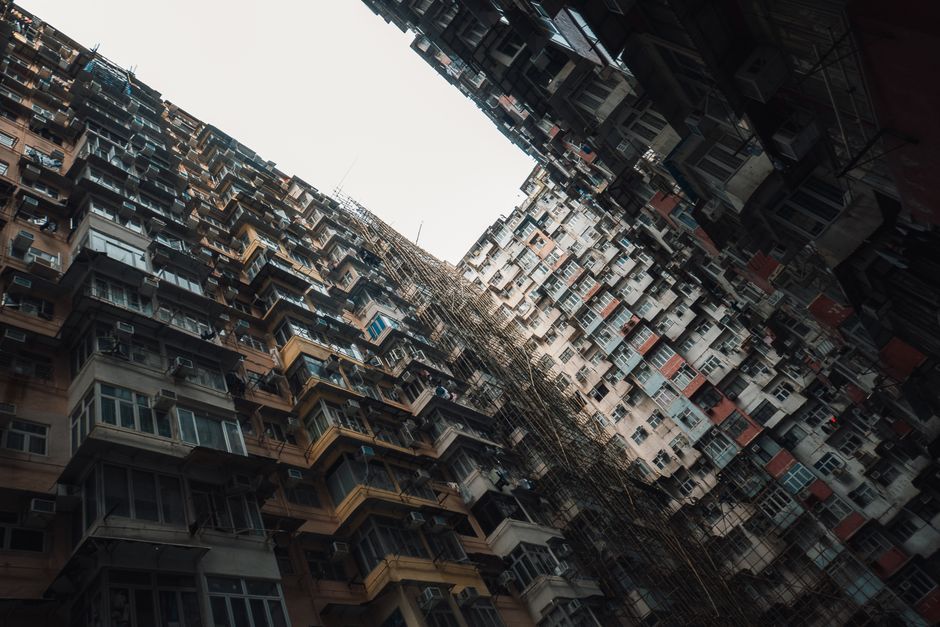
The most immediate difference hits you on day one: density paired with exceptional accessibility. Central's gleaming skyscrapers rise mere minutes by MTR from hiking trails in the New Territories. The Star Ferry still carries commuters across Victoria Harbour for HK$2.80, a journey no modern city planner would design but every newcomer treasures. Try finding that kind of integrated transport-leisure balance elsewhere.
Then there's the peculiar 24-hour culture. While most global cities wind down by 11pm, Hong Kong's neighbourhoods—Lan Kwai Fong, Mong Kok, Causeway Bay—pulse through the night. Dim sum at 3am in Sheung Wan isn't unusual; it's infrastructure. This matters for expats accustomed to cities that essentially close after business hours.
The cost question deserves honesty. Yes, rents remain punishing—a modest 500-square-foot flat in Mid-Levels averages HK$25,000-30,000 monthly. Yet international schools (HK$200,000-250,000 annually), childcare, and utilities often undercut Singapore or London. Groceries at local wet markets cost a fraction of Western supermarkets. The trade-off is space; Hong Kong rewards those comfortable with compact living.
What separates Hong Kong from comparable Asian hubs is its unresolved duality. It remains genuinely international in ways Singapore has streamlined away. English remains functional across business and many neighbourhoods. The financial regulatory environment, despite political shifts, retains sophistication few rivals match. Yet you're simultaneously embedded in Chinese language and culture—not learning about it, but navigating it daily. That friction, frustrating for some, energises others.
Infrastructure-wise, the city operates at standards most relocators find astonishing. Fibre-optic speeds exceed 1 Gbps routinely. The MTR's efficiency makes comparable London or New York systems feel antiquated. Healthcare through private institutions like Hong Kong Sanatorium & Hospital meets international standards at costs significantly below Western equivalents.
Finally, there's the unspoken draw: Hong Kong remains a place where ambition and opportunity still feel possible in ways increasingly unavailable elsewhere. The city hasn't yet fully calcified into the perfectly managed, perfectly predictable model of some competitors. It's messier, more volatile, and paradoxically, more alive because of it.
That's not universally appealing. But for relocators seeking a genuinely unique global experience—not a sanitised version of Asia, but the authentic, chaotic, spectacular real thing—Hong Kong remains incomparable.
This article was compiled by AI from the sources linked above and screened before publishing. See our editorial standards.
About this article
Published by The Daily Hong Kong
Spread the word
Daily brief
Free, in your inbox before 7am. Weekdays.
Before you go
The day's Hong Kong news in a 2-minute read. Free, weekday mornings.