Walk along the Wan Chai waterfront today and you'll notice something distinctly different from five years ago. Where joggers once dominated the promenade, you'll now find neighbours tending to the newly expanded Central Waterfront Park's native plant zones, or gathering in the redesigned community corners that have become extensions of living rooms across Hong Kong's densest districts.
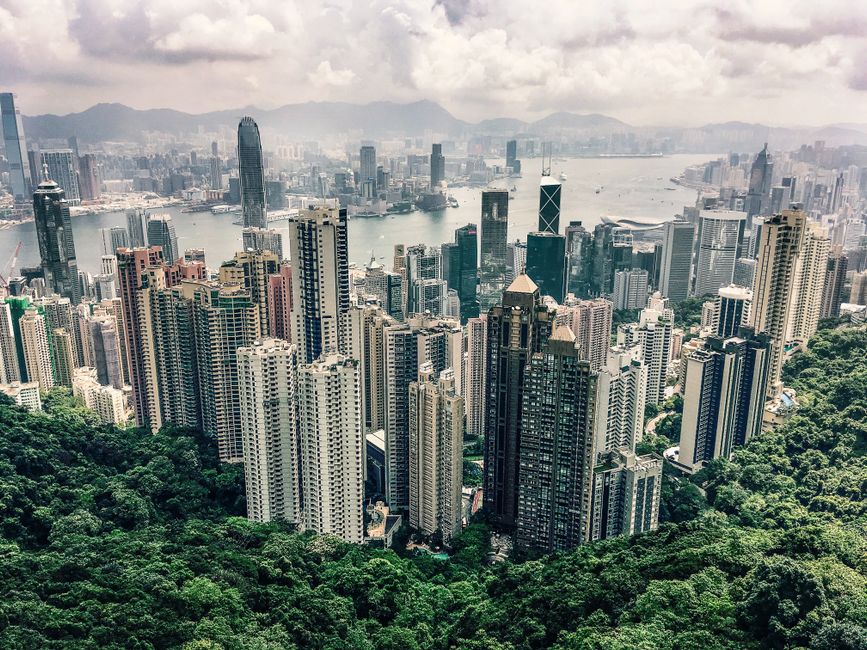
This transformation reflects a broader shift in how the city's 7.5 million residents are reimagining their relationship with green spaces. No longer content with manicured lawns and playground equipment, Hong Kong's parks are evolving into multifunctional hubs—a response to both space scarcity and changing lifestyle priorities since the pandemic.
The shift is most visible in unexpected places. In North Point, the recently revamped King George V Park now features managed community garden plots where residents cultivate vegetables and herbs, a stark departure from its traditional sports-focused identity. Similar initiatives have sprouted across Sham Shui Po and Mong Kok, areas historically starved of green infrastructure. The Parks and Gardens Bureau has allocated increased funding to these grassroots programs, recognising that outdoor spaces must serve evolving community needs.
But the evolution extends beyond vegetable patches. Tai Tam Country Park and the New Territories' emerging wilderness trails have seen surging interest, particularly among younger professionals seeking escape from urban density. Instagram-friendly spots like the Lung Fu Shan circular walk have become so popular that park management now implements timed entry systems during weekends—unthinkable just three years ago.
The data reflects this enthusiasm. Parks visitor numbers have climbed roughly 40 percent since 2023, according to preliminary leisure and cultural services department figures. Meanwhile, property developers are increasingly marketing residential projects with reference to proximity to parks and green corridors, a marketing angle that barely existed a decade prior.
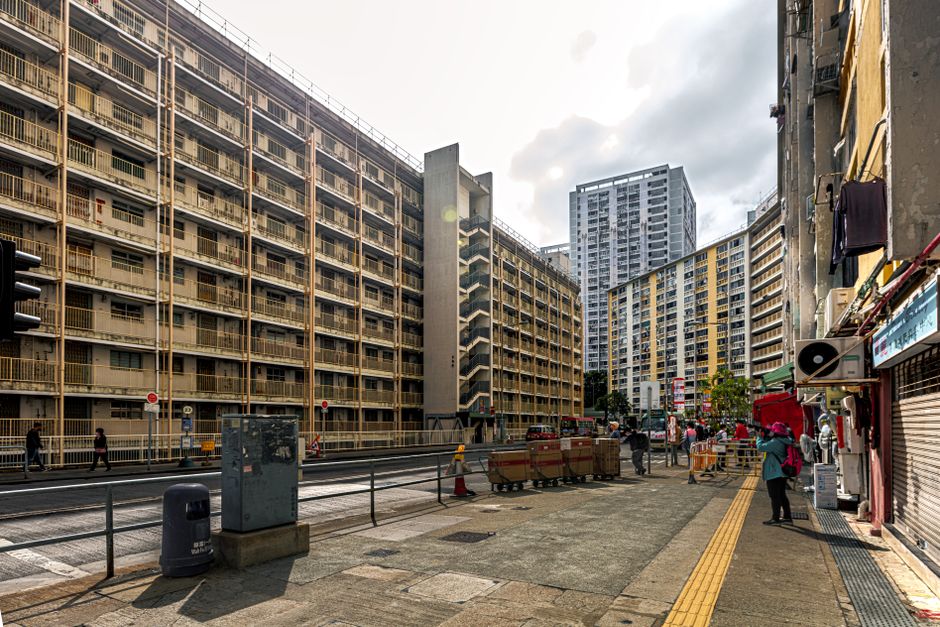
Yet challenges remain. Space constraints mean expansion is limited; the city's total country park area hasn't grown substantially. Some new community gardens operate on temporary licences, vulnerable to policy shifts. And accessibility gaps persist—public housing estates in older districts still lack adequate green infrastructure compared to their wealthier counterparts.
Nonetheless, the trajectory is clear. What began as scattered pandemic-era experiments with balcony gardening and nature walks has crystallised into genuine policy momentum. Hong Kong's parks are becoming less about passive recreation and more about active community building—a meaningful evolution for a city where green space remains precious and fiercely valued by those who inhabit it.
This article was compiled by AI and screened before publishing. See our editorial standards.