lifestyle
Hong Kong Transport on a Budget: The Complete Cost and Access Guide Before You Go
From the MTR to minibuses, here's everything you need to know about getting around the city without breaking the bank.
3 min read
Updated 2 d ago
lifestyle
From the MTR to minibuses, here's everything you need to know about getting around the city without breaking the bank.
3 min read
Updated 2 d ago
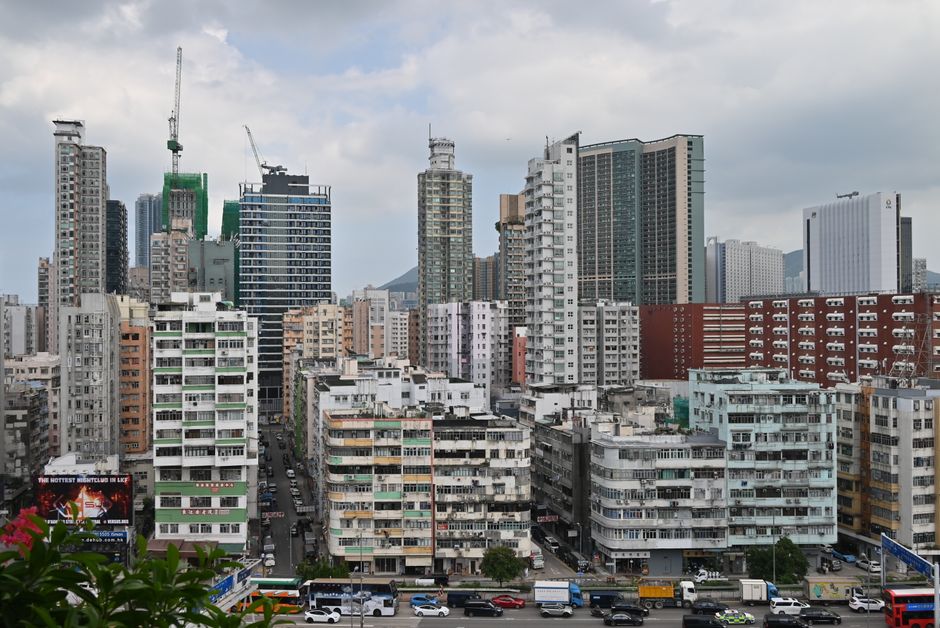
Hong Kong's transport system is a marvel of efficiency, but navigating it as a visitor or new resident requires knowing where your money goes. Whether you're commuting from Sheung Wan to Causeway Bay or heading to the New Territories, understanding costs and access options will transform your experience of this sprawling vertical city.
The MTR remains Hong Kong's backbone, with fares ranging from HK$2.90 to HK$16.80 depending on distance. A single journey from Central to Tsim Sha Tsui costs around HK$9.80—reasonable for crossing the Harbour. Get an Octopus card (available at most convenience stores for HK$150, including HK$100 credit) and you'll save roughly 10–15% on fares. For frequent travellers, the Tourist Day Pass at HK$55 offers unlimited travel on the MTR, trams and buses for 24 hours, though it's worth calculating your actual usage first.
Buses are Hong Kong's unsung heroes, especially for exploring neighbourhoods like Sham Shui Po or Aberdeen. A cross-harbour journey typically costs HK$3–HK$5.60 with your Octopus card. The famous Star Ferry between Central Pier and Tsim Sha Tsui remains an icon at just HK$2.80–HK$3.70, offering unbeatable views of Victoria Harbour. Night buses run until 1 am, and late-night taxis become considerably more expensive after midnight, so plan accordingly.
Taxis are convenient but pricey. Flag fall is HK$24, with HK$1.70 per 200 metres in urban areas—a journey from Admiralty to Mong Kok typically runs HK$60–HK$80. Cross-harbour tunnels add HK$5–HK$10 extra. Ride-hailing apps like Uber and local alternatives offer transparency on fares before booking.
The Peak Tram remains a tourist must, costing HK$28–HK$33 return, but locals often walk or take the bus up Peak Road for free.
Here's the practical advice: invest in an Octopus card immediately. Download the MTR and Google Maps apps—both essential for route planning. Buy a tourist day pass only if you're planning six or more journeys within 24 hours. Use buses for neighbourhoods beyond MTR reach and taxis only for late-night or point-to-point convenience. Most importantly, avoid peak hours (8–9 am, 5–7 pm weekdays) on the MTR, when the system approaches capacity on key routes like the Central Line.
Hong Kong's transport is fundamentally affordable compared to other global cities. A month of unlimited travel costs under HK$500—less than a single meal for two at many Central restaurants. The system's real genius isn't its price; it's how efficiently it moves millions daily. Master these basics and you'll navigate Hong Kong like a local, not a lost tourist checking times at Wan Chai station.
This article was compiled by AI and screened before publishing. See our editorial standards.
About this article
Published by The Daily Hong Kong
Spread the word
Daily brief
Free, in your inbox before 7am. Weekdays.
Before you go
The day's Hong Kong news in a 2-minute read. Free, weekday mornings.