Why Hong Kong's Restaurant Scene Outpaces Every Global Rival
From Michelin stars to street-level dim sum, this city's culinary ecosystem simply has no equal.
3 min read
Updated 17 h ago
From Michelin stars to street-level dim sum, this city's culinary ecosystem simply has no equal.
3 min read
Updated 17 h ago
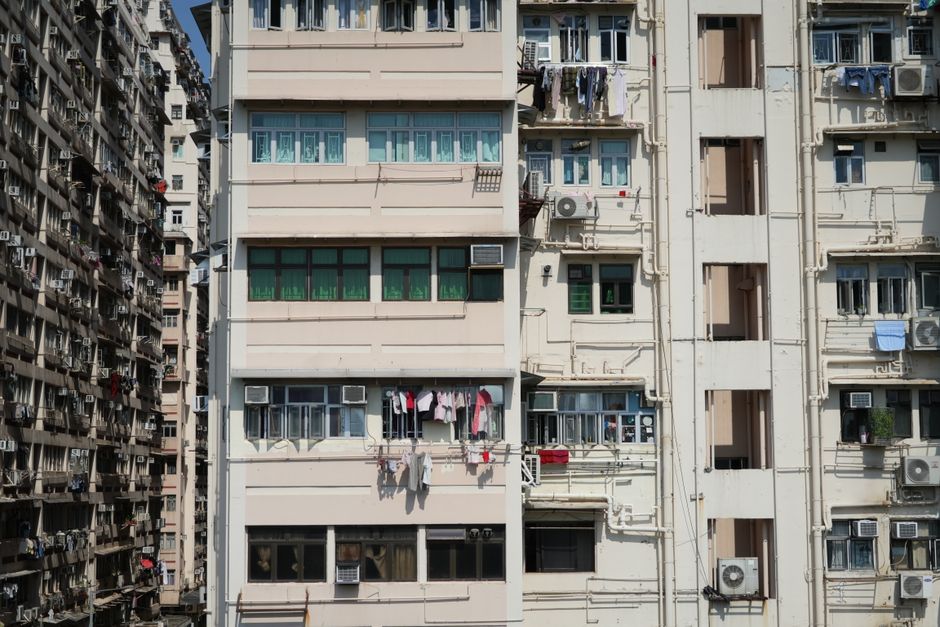
Walk into any major dining city—Tokyo, Paris, New York—and you'll find excellence. But Hong Kong operates on a different plane entirely. What sets this city apart isn't just the food; it's the sheer democratic distribution of genius across every price point, neighbourhood and cuisine imaginable.
Consider the numbers: Hong Kong boasts more Michelin-starred restaurants per capita than any comparable metropolis. Yet that accolade barely scratches the surface. The real magic happens in the narrow lanes of Sham Shui Po, where dai pai dong vendors have perfected their craft across three decades; in the dai dim sum trolleys rolling through Lau Sum Yuen in North Point; and in the hole-in-the-wall ramen joints of Lan Kwai Fong that charge under HK$80 for bowls rival Tokyo's premium offerings.
The infrastructure itself is unique. Hong Kong's ultra-efficient transport network means a chef can source live seafood from Sai Kung's fish markets in the morning and plate it for dinner service in Central by evening. This proximity between producer and kitchen doesn't exist elsewhere. Neither does the city's tripartite culinary inheritance: Cantonese traditions run so deep that restaurants treat dim sum like classical music, with standards upheld across humble eateries and fine dining. Yet simultaneously, international chefs have migrated here since the 1970s, creating a fusion-aware population that appreciates both authenticity and creative reinvention.
Prices reflect this too. A Michelin two-star meal in Hong Kong costs roughly 30-40 per cent less than equivalents in Singapore or London. Walk into T'ang Court at Kowloon Shangri-La, or visit Yan Toh Heen at the Intercontinental, and you're paying around HK$800-1,200 per person. Compare that to similar-calibre European establishments, and Hong Kong becomes a bargain. More importantly, it's not a luxury reserved for investment bankers. Mid-range restaurants—your neighbourhood Cantonese spots, Korean barbecue joints in Causeway Bay, Portuguese places in Macau-adjacent menus—occupy a far more generous middle ground than other cities manage.
The diversity factor seals it. Walk Elgin Street in Soho and you'll encounter Thai, Vietnamese, Italian, Japanese and Indian establishments within minutes. Head to Tsim Sha Tsui's kitchen strip and the options multiply exponentially. This isn't multicultural tourism; it's lived reality. Hong Kong's population demanded these cuisines, so restaurants evolved to serve them seriously.
That combination—Michelin excellence accessible at democratic prices, underpinned by uncompromising standards and genuine cultural diversity—is what no other global city has quite managed to nail.
This article was compiled by AI from the sources linked above and screened before publishing. See our editorial standards.
About this article
Published by The Daily Hong Kong
Spread the word
Daily brief
Free, in your inbox before 7am. Weekdays.
Before you go
The day's Hong Kong news in a 2-minute read. Free, weekday mornings.