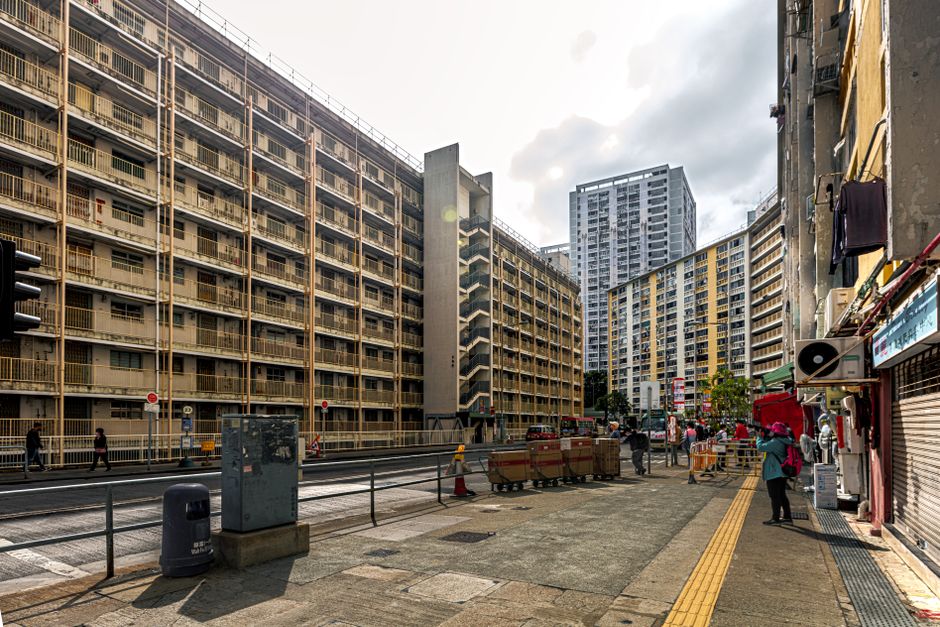
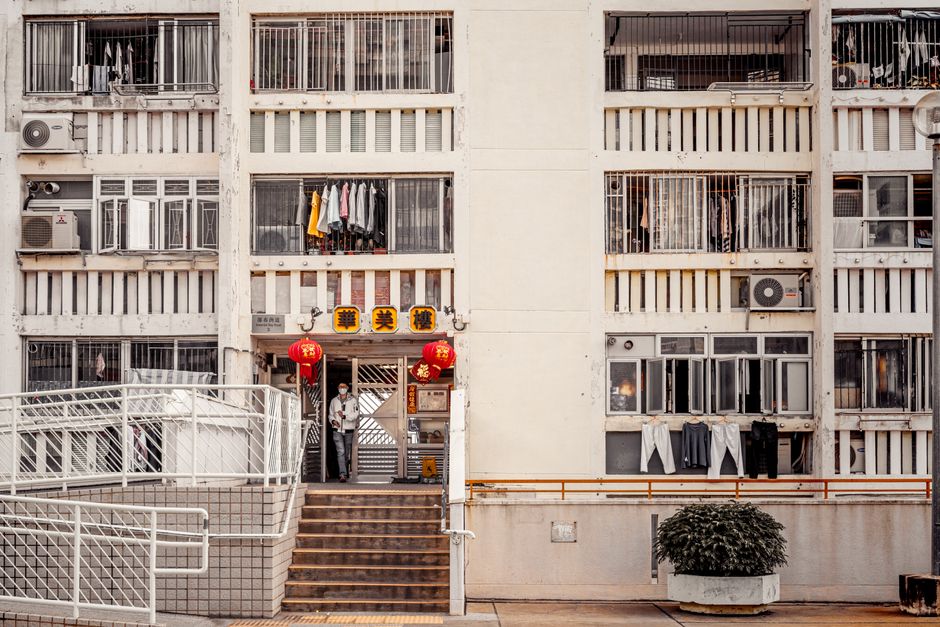
Five years ago, a stroll through Quarry Bay meant navigating endless monolithic residential towers with little respite from concrete and exhaust fumes. Today, the neighbourhood's newly expanded Sau Mau Ping Park—which doubled its green footprint in 2024—has become an unlikely gathering point for young professionals seeking refuge from the city's relentless pace.
This transformation reflects a broader shift across Hong Kong's urban landscape. The Leisure and Cultural Services Department reports that visitation to neighbourhood parks increased 34% between 2022 and 2025, signalling a fundamental change in how residents value outdoor space. What was once considered luxury—a manicured lawn, a shaded seating area—is now being repositioned as essential urban infrastructure.
In Wong Tai Sin, the redevelopment of Wong Tai Sin Park represents perhaps the most ambitious overhaul. The HK$180 million renovation, completed earlier this year, introduced native tree planting zones, community garden plots available to residents at modest costs, and flexible event spaces designed for everything from tai chi classes to pop-up markets. Local property agents report that flats with views of the revamped park command a 5-8% premium compared to identical units facing inward courtyards.
The private sector has taken notice. Real estate developers now routinely integrate "green corridors" and rooftop gardens into residential projects. The Hong Kong Green Building Council notes that 62% of new residential developments approved since 2024 include substantive landscaping features, up from just 31% in 2019.
But this evolution carries complications. Environmental groups raise concerns about homogenised planting strategies that prioritise aesthetics over biodiversity. Meanwhile, rental prices for retail spaces bordering newly revitalised parks have surged 20-30%, potentially displacing independent vendors and neighbourhood cafes that once defined these areas.
Younger residents, particularly those in their twenties and thirties priced out of property ownership, view accessible parks differently than previous generations. Social media data shows outdoor fitness activities—from yoga circles in Victoria Park to outdoor strength training groups in Kowloon Park—have tripled since 2023, with participants treating public spaces as affordable alternatives to expensive gym memberships.
As Hong Kong grapples with density and quality-of-life concerns, parks have quietly become the city's third space—neither home nor office, but essential. Whether this green awakening represents genuine urban planning wisdom or merely cosmetic improvement remains contested. What's certain is that Hong Kong's relationship with its outdoor spaces is being rewritten, one neighbourhood at a time.
This article was compiled by AI and screened before publishing. See our editorial standards.