Beyond the Map: What Really Makes a Hong Kong Neighbourhood Home
From Sunday dim sum rituals in Sheung Wan to late-night dai pai dong gatherings in Mong Kok, we explore how community bonds define Hong Kong's most liveable districts.
This article was generated by AI from the linked public sources. The Daily Hong Kong is independently owned and covers Hong Kong news free from advertiser or sponsor influence. Read our editorial standards →
Walk down Staunton Street in Central on any weekday morning, and you'll witness a peculiar Hong Kong ritual: office workers queuing outside dai pai dong stalls for breakfast, stopping to chat with vendors they've known for fifteen years. This isn't merely commerce—it's the invisible infrastructure that transforms a neighbourhood from postcode into home.
Hong Kong's neighbourhood character thrives in these unglamorous moments. Sheung Wan, with its warren of antique shops, traditional Chinese medicine practitioners, and family-run restaurants along Des Voeux Road West, has evolved into a hub for young professionals and creatives who prize authenticity over Instagram aesthetics. The neighbourhood's 7,800 residents per square kilometre create an intimate density where regulars at temples like Hung Shing become part of the social fabric. Weekend dim sum at establishments like Tai Cheong Bakery, still charging under HK$50 for egg tarts, connects generations.
Meanwhile, North Point—historically Cantonese working-class heartland—has undergone subtle transformation. The traditional wet markets around King's Road remain bustling, but they now coexist with independent coffee roasters and galleries. Yet the community identity persists: elderly residents continue their 6am tai chi sessions in Victoria Park, and the neighbourhood's proximity to the waterfront maintains its distinct seaside village character despite urban density.
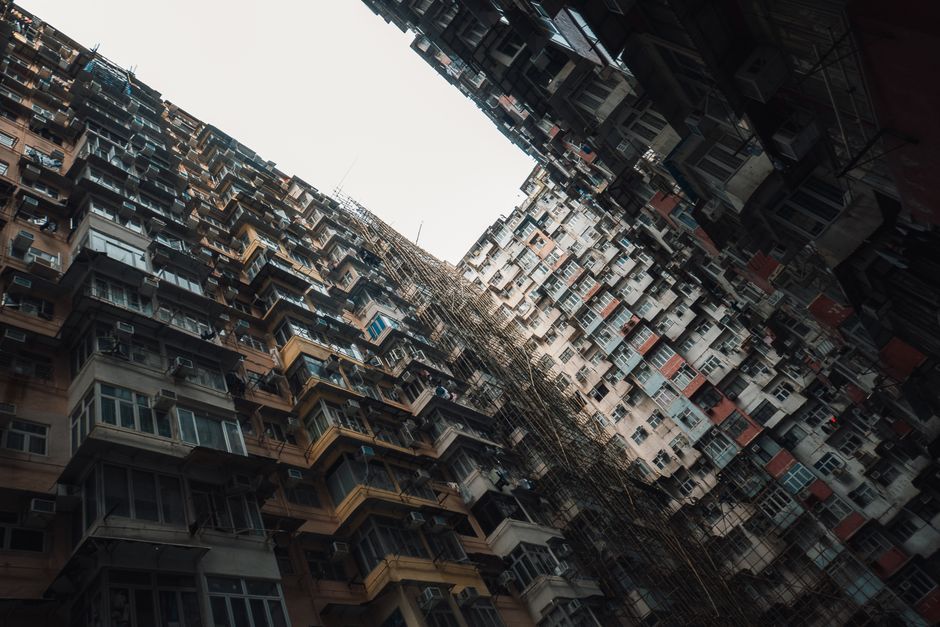
Mong Kok represents a different neighbourhood philosophy entirely. Though notorious for congestion, the district's character emerges in its extreme social mixing. Ximending-style street fashion vendors occupy ground floors beneath family housing, creating spontaneous street theatre. The 1970s tenement buildings house both established Triad-era restaurants and trendy ramen joints. This chaotic juxtaposition—where HK$15 noodles sit metres from HK$200 craft cocktails—defines the neighbourhood's genuine energy.
What distinguishes these neighbourhoods from mere residential zones is institutional memory. Sheung Wan's community centres host traditional Chinese opera nights; North Point's residents' associations organise dragon boat races; Mong Kok's dai pai dong culture preserves Cantonese oral traditions. These are spaces where property values matter less than face-to-face relationships.
Hong Kong's liveable neighbourhoods aren't those featured in luxury developments' marketing materials. They're districts where your dai pai dong uncle remembers your breakfast order, where community centres remain genuine gathering spaces, and where centuries-old traditions intersect with contemporary urban life. In a city often defined by transience, these pockets of continuity offer something increasingly rare: genuine belonging.
This article was compiled by AI from the sources linked above and screened before publishing. See our editorial standards.
Covering lifestyle in Hong Kong. This article was generated by AI from the linked sources and was not reviewed by a human editor before publishing. See our editorial standards.