From gridlock to green routes: how Hong Kong's commuting landscape is being reimagined
As the city pivots toward sustainable transport, neighbourhoods from Central to Tuen Mun are experiencing a quiet revolution in how residents move around.
This article was generated by AI from the linked public sources. The Daily Hong Kong is independently owned and covers Hong Kong news free from advertiser or sponsor influence. Read our editorial standards →
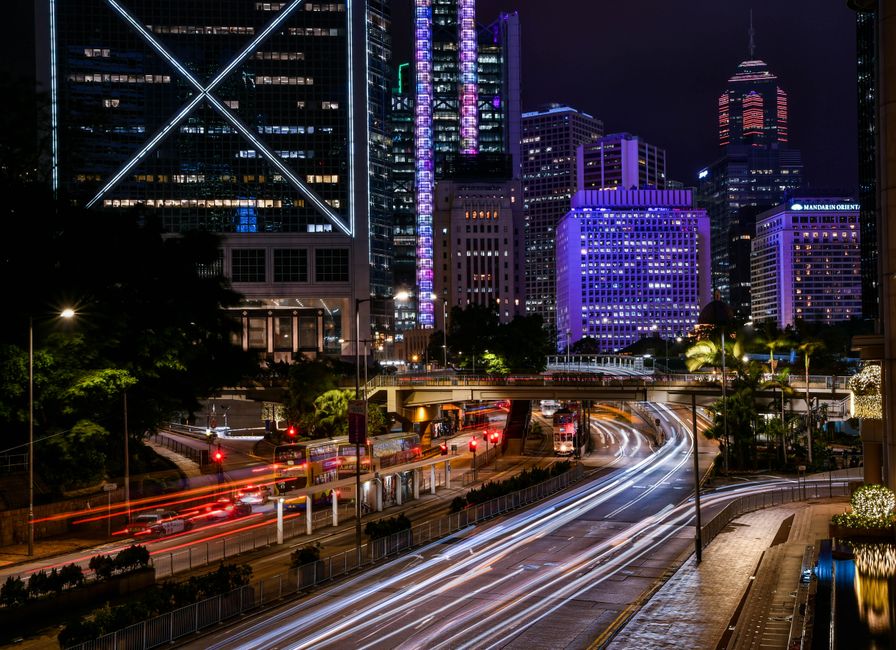
Walk along Des Voeux Road Central on a weekday morning and you'll notice something that would have seemed impossible five years ago: designated cycle lanes during peak hours, with commuters on e-bikes weaving past the slower-moving bus queues. Hong Kong's transport ecosystem is undergoing a fundamental shift, and the changes are reshaping everything from daily routines to neighbourhood character.
The most visible transformation centres on the expansion of dedicated cycling infrastructure. The Government's 2024 Cycling Master Plan has already introduced 150 kilometres of new bikeways, with particularly ambitious developments in Kowloon East and along the Waterfront. Commute times from Kennedy Town to Central via the new cycle routes have dropped to just 18 minutes—roughly half what rush-hour minibus journeys take. Property agents have begun advertising flats in Sheung Wan and Mid-Levels explicitly by their proximity to these routes.
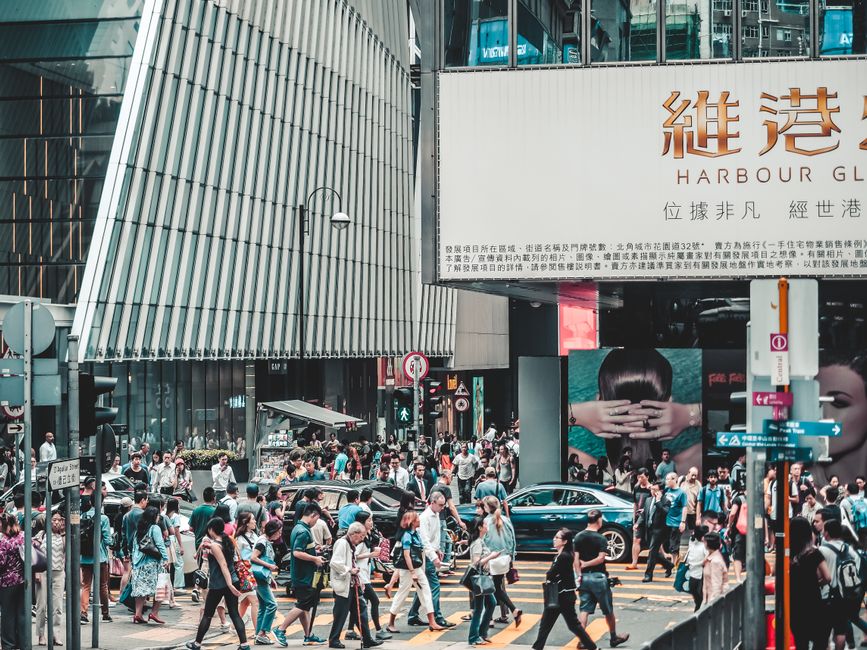
But the changes go deeper than painted lines. The MTR system, already handling 5.6 million passenger journeys daily, has introduced dynamic pricing during non-peak hours, offering up to 20% discounts between 10am and 4pm. The initiative has noticeably redistributed commuter flows, with younger professionals and remote workers now visible throughout the day rather than compressed into three morning hours. Local cafés around Admiralty and Causeway Bay have adapted their schedules accordingly.
Perhaps most significantly, the last-mile problem—getting from transport hubs to workplaces—is being solved through neighbourhood-level micro-mobility. The rollout of 2,000 additional bike-sharing docking stations throughout 2025-26 has transformed how people navigate Central's tight alleys and Causeway Bay's dense commercial zones. MTR stations like Tung Chung and Nam Cheong now function as genuine transport interchanges, with integrated shuttle bus services reducing the walk to nearby office parks.
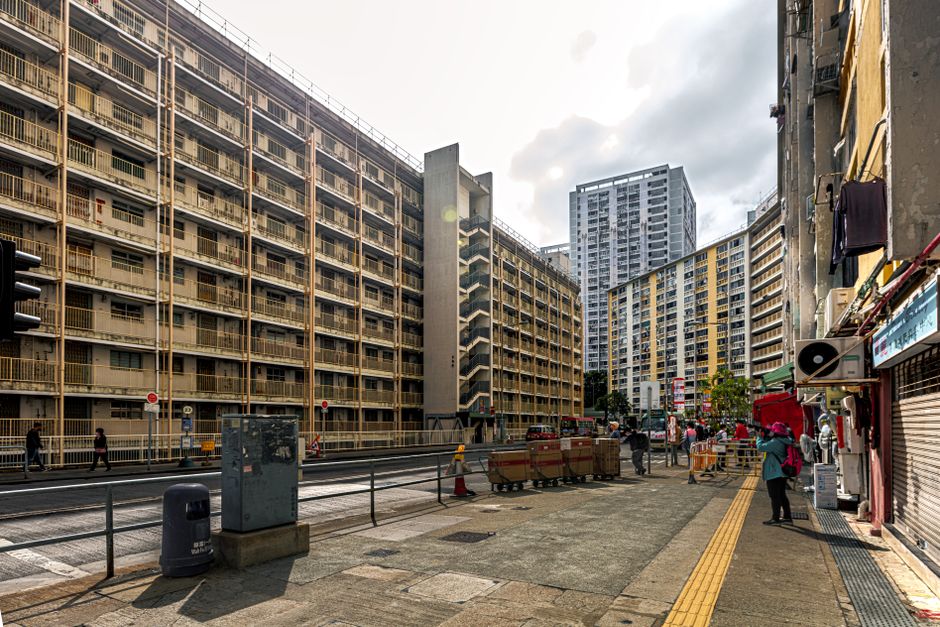
The sociological impact shouldn't be understated. Commuting patterns that have remained relatively static for two decades are now fluid. Residents are reconsidering where they work and live based on connectivity rather than MTR proximity alone. Streets in Fotan and Tseung Kwan O, previously sleepy industrial zones, are experiencing unexpected vitality as remote-first companies establish satellite offices, reducing the need for daily journeys to Central.
Not everyone celebrates the shift. Traditional minibus operators report declining passenger numbers, and some worry that cycle infrastructure comes at the expense of parking and delivery access. Yet the data suggests this transition is reshaping Hong Kong's relationship with movement itself—making commuting less about endurance and more about genuine choice.
This article was compiled by AI and screened before publishing. See our editorial standards.
Covering lifestyle in Hong Kong. This article was generated by AI from the linked sources and was not reviewed by a human editor before publishing. See our editorial standards.