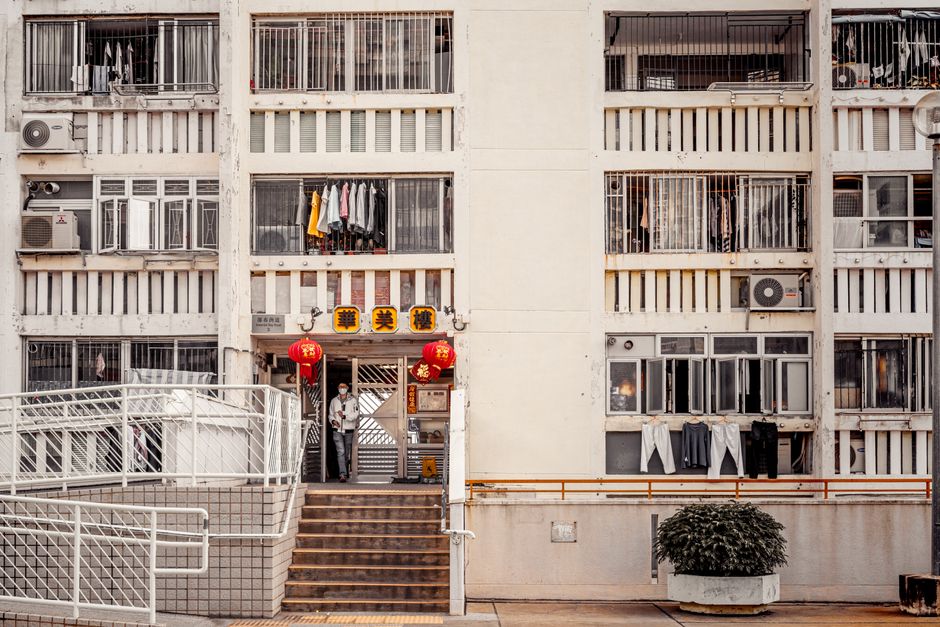
Walk down Man Nin Street in Sai Kung on a Saturday morning and you'll witness something increasingly rare in Hong Kong: a neighbourhood where strangers still nod hello. The waterfront village—90 minutes from Central by minibus—has evolved into a peculiar ecosystem where retired fishermen, young professionals fleeing Wan Chai rents, and adventure seekers converge without quite displacing each other.
What defines Sai Kung's character isn't its Instagram moments, though the typhoon shelters certainly deliver those. It's the friction and negotiation between old and new. At the wet market near the Sai Kung Promenade, vendors selling dried seafood at HK$180 per catty work yards away from artisanal coffee roasters charging HK$65 for flat whites. Locals—a mix of families who've lived here since the 1980s and newcomers priced out of inner-city neighbourhoods—have developed an unspoken tolerance for this coexistence.
The community's backbone remains embedded in informal networks. The Sai Kung Residents' Association, founded in 1975, still mobilises residents for waterfront clean-ups, while newer WhatsApp groups coordinate weekend hiking expeditions to High Junk Peak. Parents congregate outside Sai Kung Central Primary School, comparing notes on commutes and boat hire costs. The Saturday night crowd at venues like Tone Deaf Records—a vinyl shop-café hybrid on Sha Ha Street—skews younger, but shop owners say they actively avoid pricing out long-term neighbours.
Real estate pressure is the obvious tension. A 400 sq ft flat in a Sai Kung mid-rise now averages HK$6.8 million, according to recent Midland Realty data—steep enough to displace families, yet accessible enough to attract young couples. This has subtly rewritten the neighbourhood's social contract. Twenty years ago, Sai Kung was a retirement destination. Today, it's gentrifying, but slowly, and with pockets of resistance.
The harbour remains the true gathering place. At dusk, you'll find retirees fishing near the promenade, families on hired sampans, and weekend kayakers returning from outlying islands. The Sai Kung Typhoon Shelter, once purely utilitarian, has become inadvertently democratic—a stage where working-class life and leisure overlap visibly.
What makes Sai Kung different from sanitised, corporate-driven neighbourhoods isn't perfection. It's incompleteness. The old fish markets haven't vanished into themed restaurants. The community doesn't yet feel like a brand. In a city obsessed with reinvention, Sai Kung's neighbourhood character endures precisely because nobody's quite figured out how to monetise authenticity here—yet.
This article was compiled by AI and screened before publishing. See our editorial standards.