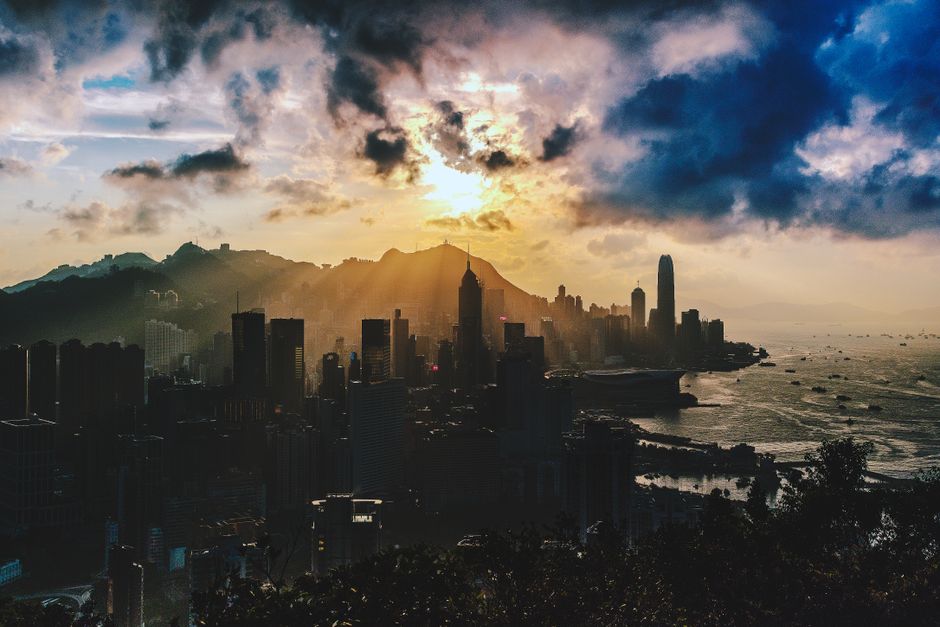
Every morning, before dawn breaks over Victoria Harbour, the Star Ferry begins its rhythmic crossing between Hong Kong Island and Kowloon. For nearly 150 years, this iconic route has carried millions—commuters, tourists, locals returning home. But it's the regulars, the faces you see every weekday at 6:47 a.m., who embody what makes Hong Kong's transport culture uniquely human.
Transport in Hong Kong isn't just about efficiency, though the MTR operates with legendary precision, moving 5.7 million passengers daily across 230 kilometres of track. It's about the stories etched into daily routines. The nurse who catches the same minibus from Causeway Bay to Pamela Youde Nethersole Eastern Hospital in Chai Wan, greeting the driver by name. The elderly couple who ride the Peak Tram every Sunday, having done so for forty years. The university students cramped into the 2A bus down Queen's Road Central, laptops balanced on laps, racing between lectures and part-time shifts.
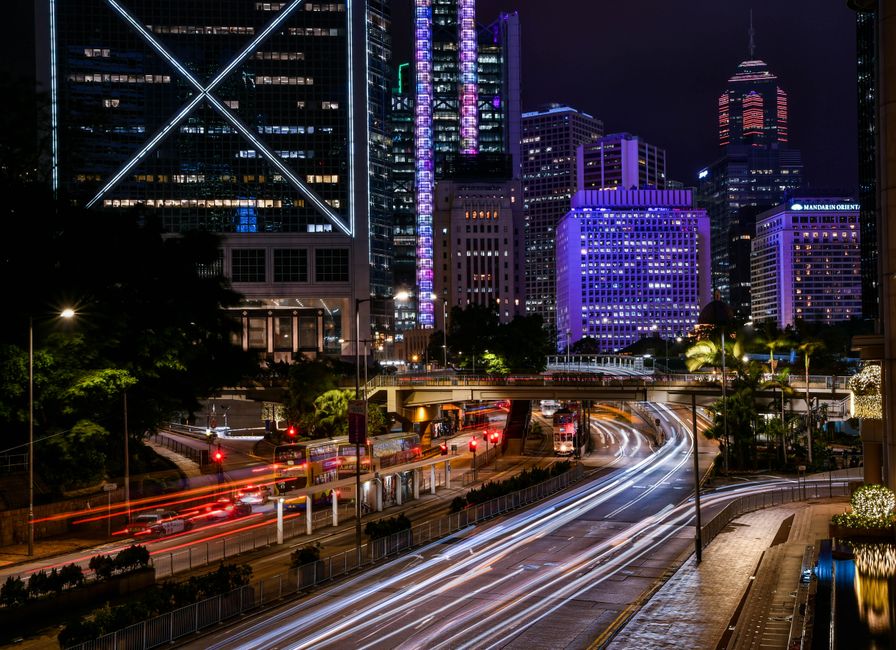
Transport connectivity—the MTR's 17 lines, the 700-plus bus routes, the iconic trams rattling up and down Hong Kong Island's streets—forms the circulatory system of our city. But what makes it special isn't the infrastructure. It's the human choreography that unfolds within it.
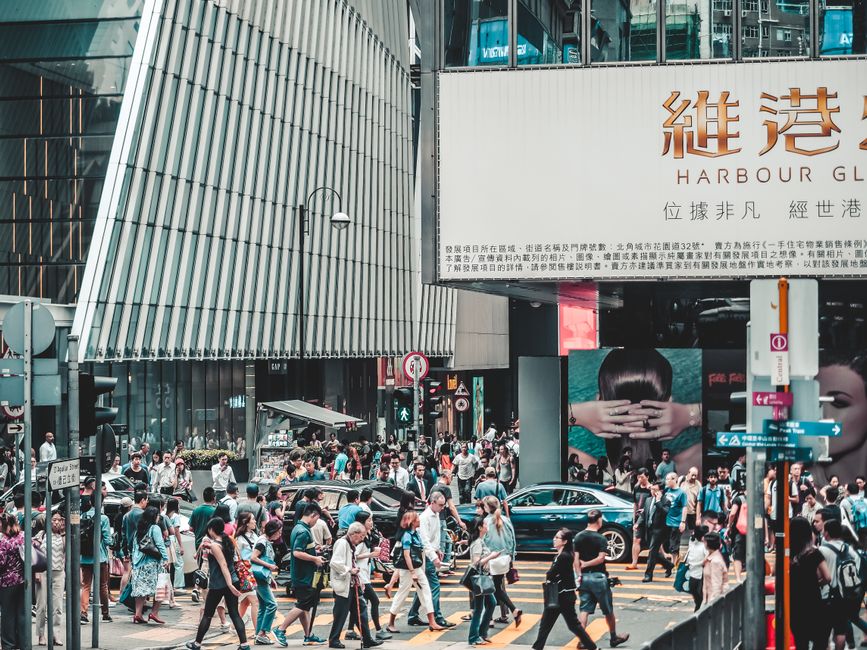
At Central Station during rush hour, you witness compressed urban humanity: a banker in a tailored suit brushes past a domestic helper returning from a weekend job, both moving with practiced efficiency through the same turnstiles. On the Star Ferry's upper deck at sunset, a musician carrying a cello case stands beside a construction worker heading home, both silenced by the view of the harbour turning gold.
The cost matters too—an adult MTR journey averages HK$3 to HK$16 depending on distance; buses HK$3.20 to HK$13.60. For many Hong Kongers, especially the elderly and working poor, this daily expense is carefully budgeted. Every commute represents not just movement through space, but through their economic reality.
What outsiders often miss is how transport shapes identity here. Where you board, where you travel, how you navigate the network—it signals something about who you are in this densely packed, highly stratified city. The taxi driver navigating the labyrinth of streets in Mong Kok. The minibus conductor collecting fares with practiced charm on routes through the New Territories.
This is Hong Kong's true infrastructure story: not concrete and steel, but the millions of ordinary movements that sustain us. Every commute is a small act of resilience, connection, and belonging in one of the world's most complex urban systems.
This article was compiled by AI and screened before publishing. See our editorial standards.