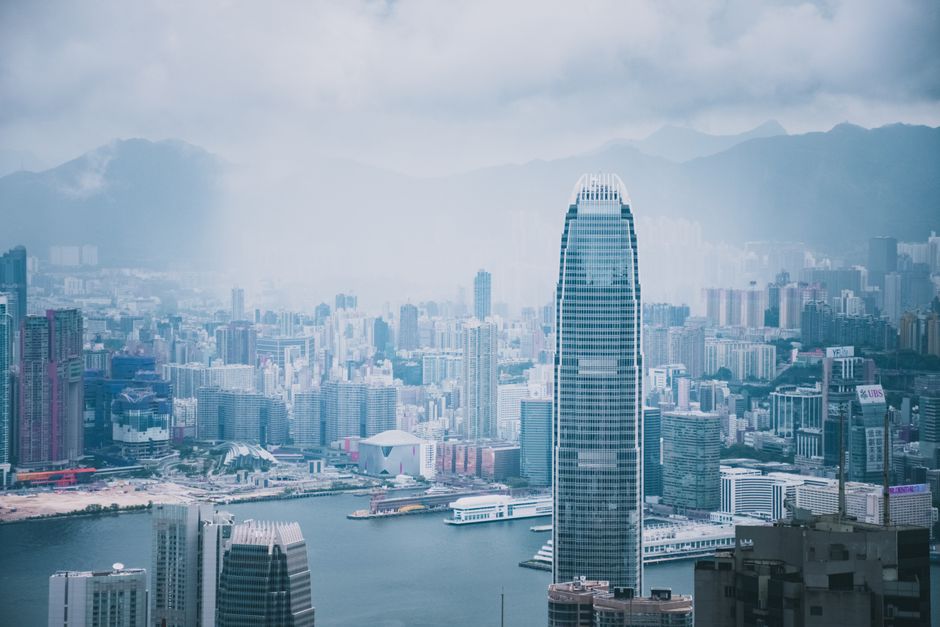
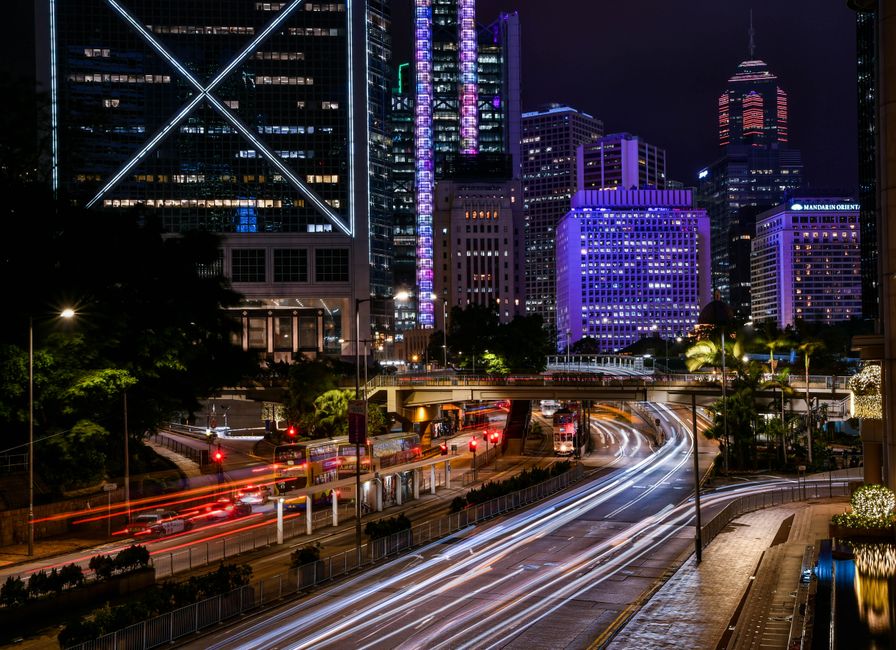
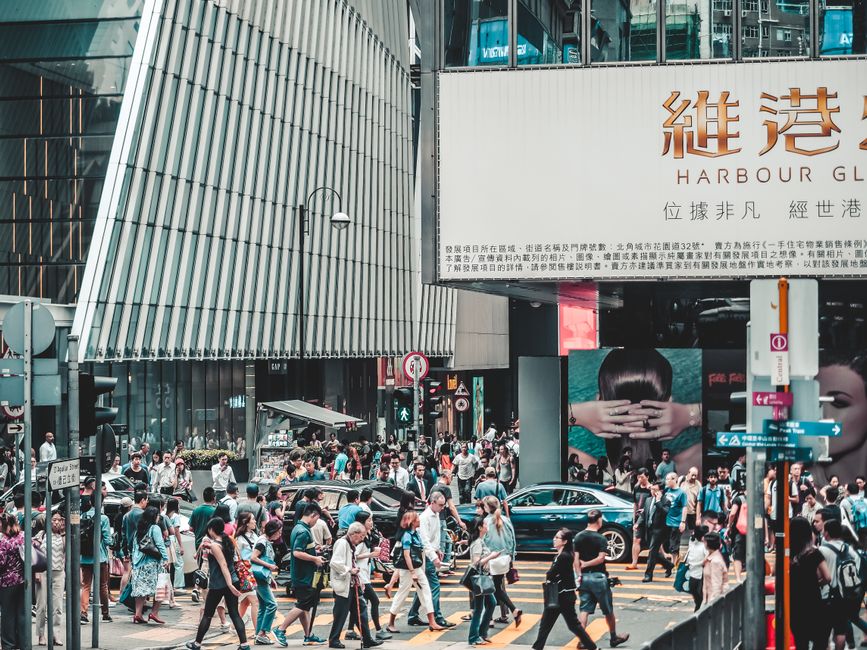
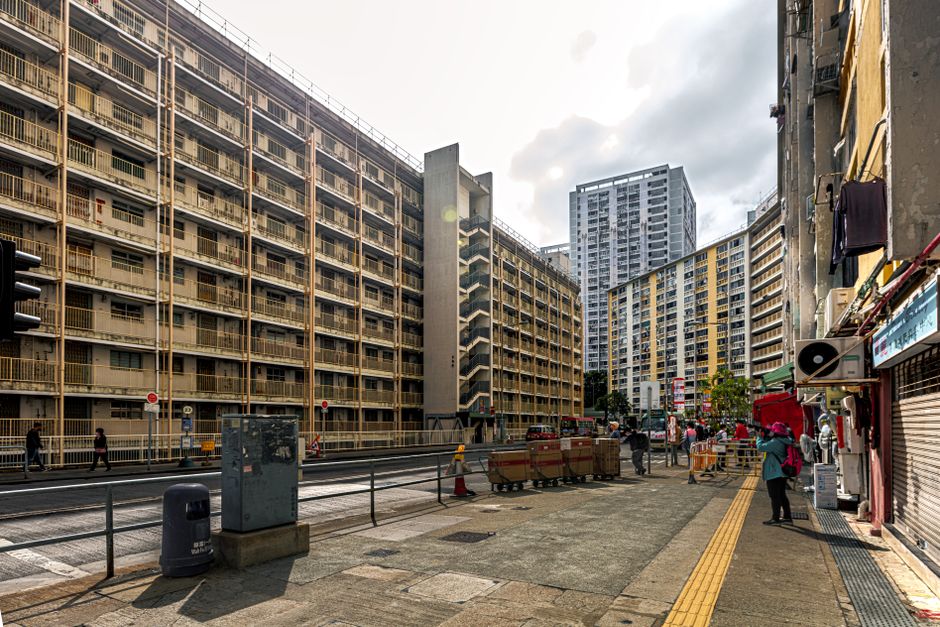
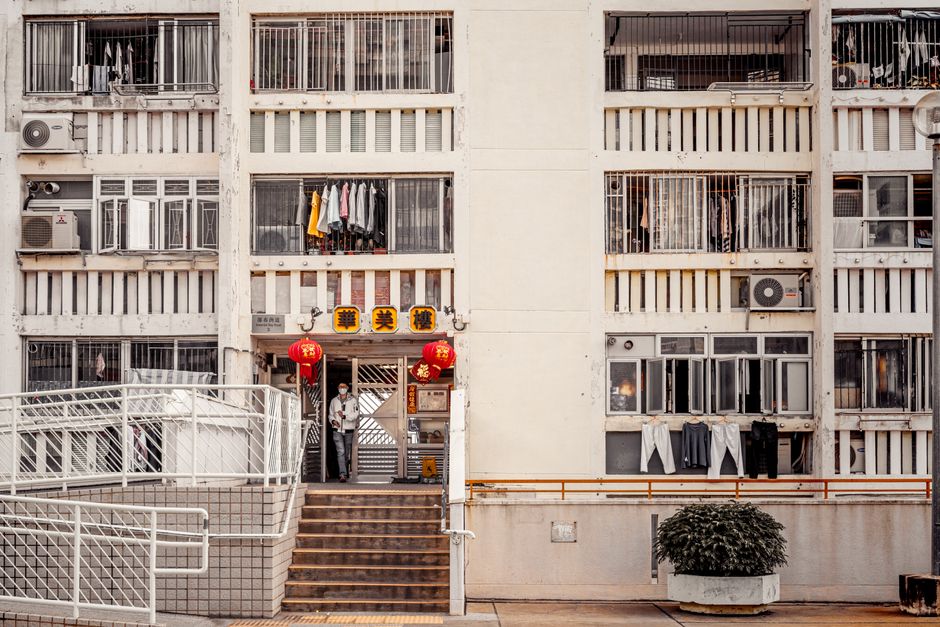
You've landed in Hong Kong. Your relocation agent showed you Mid-Levels apartments, your company assigned you to a serviced residence in Admiralty, and everyone at the expatriate networking mixer told you to avoid anywhere "too local." Time to ignore all of that.
The expat infrastructure here is world-class, but it's also a comfortable trap. Yes, you can live your entire life in Central, Repulse Bay and the Peak without speaking Cantonese or eating anything spicier than a Caesar salad. But you'd be missing what makes Hong Kong genuinely extraordinary: a city where 7.5 million people have engineered something between East and West that belongs entirely to itself.
Start by ditching the idea that "local" means inaccessible. Apps like Openrice and Google Maps now provide English menus and reviews from actual residents. Spend a Sunday morning at the wet markets in Mong Kok or Western District—chaotic, noisy, and surprisingly welcoming. Dai pai dong noodle stalls serve breakfast for under HK$40. This isn't roughing it; it's infrastructure.
Neighbourhoods matter. Sham Shui Po has become the city's creative quarter, with vintage shops, independent galleries and cafés clustered around Apliu Street. Fotan in Sha Tin hosts artist studios and weekend art markets. Sheung Wan—technically in the expat orbit—actually rewards exploration beyond the bars: centuries-old Chinese medicine shops, paper goods stores and galleries on Cat Street. These areas aren't "undiscovered"; locals have always known them.
Housing costs typically run HK$25,000–45,000 monthly for a one-bedroom in decent locations. Consider areas like Tin Hau or Fortress Hill in Causeway Bay—genuine residential neighbourhoods with MTR access where you'll live alongside families rather than investment portfolios.
Language barriers are real but overstated. Younger residents speak English; older residents are patient. Download Translate app and learn a handful of Cantonese phrases—not for fluency, but for respect. Your landlord will notice.
Join actual communities, not just networking groups. The Hong Kong Hash House Harriers runs events across the territory. Community centres offer subsidised classes in everything from Tai Chi to Mandarin. Volunteer organisations like Crossroads Foundation need English speakers; it's how you meet people with actual roots here.
Hong Kong's cost of living ranks among Asia's highest, but your salary likely reflects that. What matters is living with intention rather than default. The city rewards curiosity—explore Kwai Tsing Container Terminal at sunset, hike the MacLehose Trail, or spend an evening in the night markets at Ladies' Street or Temple Street in Mong Kok.
You didn't move to Hong Kong to replicate your home country. Use the first three months to explore like you're genuinely settling in. You'll be surprised where you decide to stay.
This article was compiled by AI and screened before publishing. See our editorial standards.