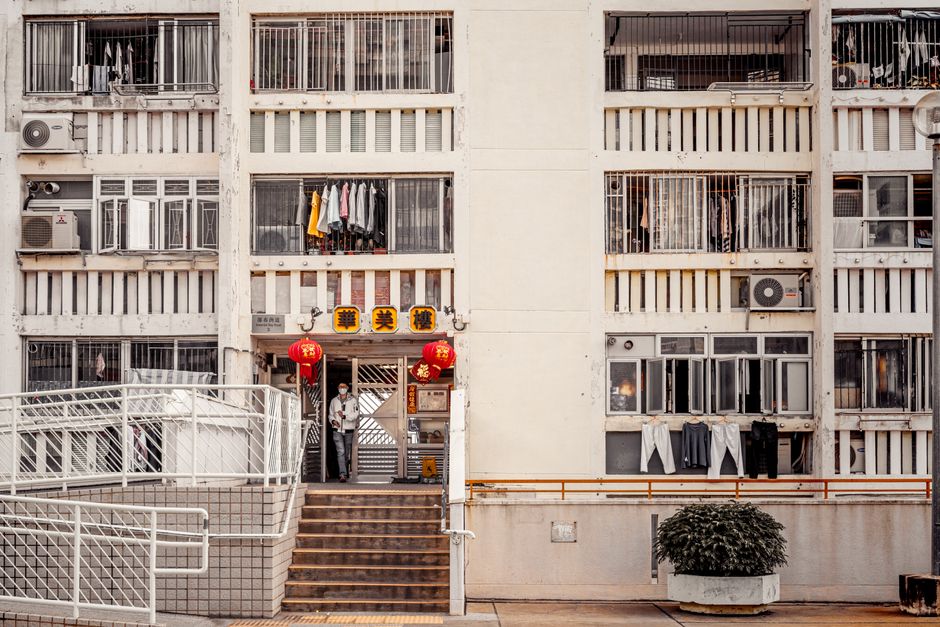
When expats arrive in Hong Kong, they typically head straight to the obvious landmarks—Victoria Peak, Central's gleaming towers, the Star Ferry. But ask anyone who's stayed beyond the first year, and they'll tell you the real discovery happens when you venture into the quieter corners and connect with the people shaping daily life here.
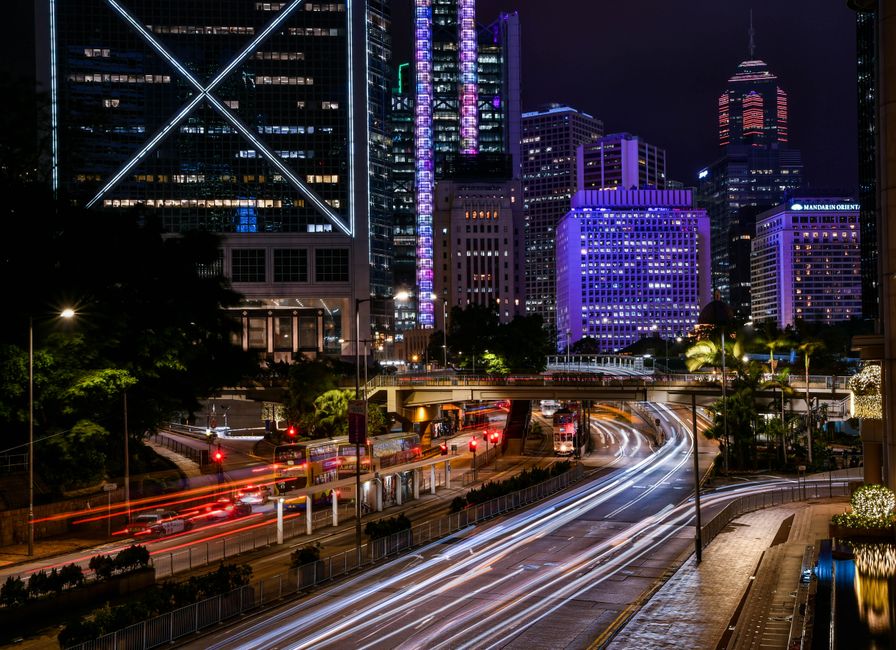
The Central and Western district tells one such story. Walk down Cat Street or through the lanes near Hollywood Road, and you'll encounter long-time residents—gallery owners, heritage conservationists, craft practitioners—who've chosen to build lives here precisely because Hong Kong's old-world charm persists beneath the modernity. For new arrivals, these neighbourhoods offer cultural anchoring points that no guidebook captures.
The expat community in Causeway Bay and Wan Chai has evolved dramatically. Where once there were purely transient populations, today you'll find established networks of parents managing the international school circuit, entrepreneurs building regional operations from co-working spaces, and creatives leveraging Hong Kong's position as Asia's cultural crossroads. Monthly meetup groups, professional associations, and neighbourhood Facebook groups now number in the thousands.
What strikes newcomers most, however, is the intergenerational fabric. Unlike truly transient cities, Hong Kong has substantial populations of second and third-generation expats—people who arrived in the 1970s or 1980s and never left. Their perspectives shape how institutions operate, from international schools to community organisations to business networks. They've become the unofficial guides, the ones who remember when Mid-Levels cost half the current price, who know which wet markets have the best produce, who've mastered Cantonese well enough to negotiate with their building managers.
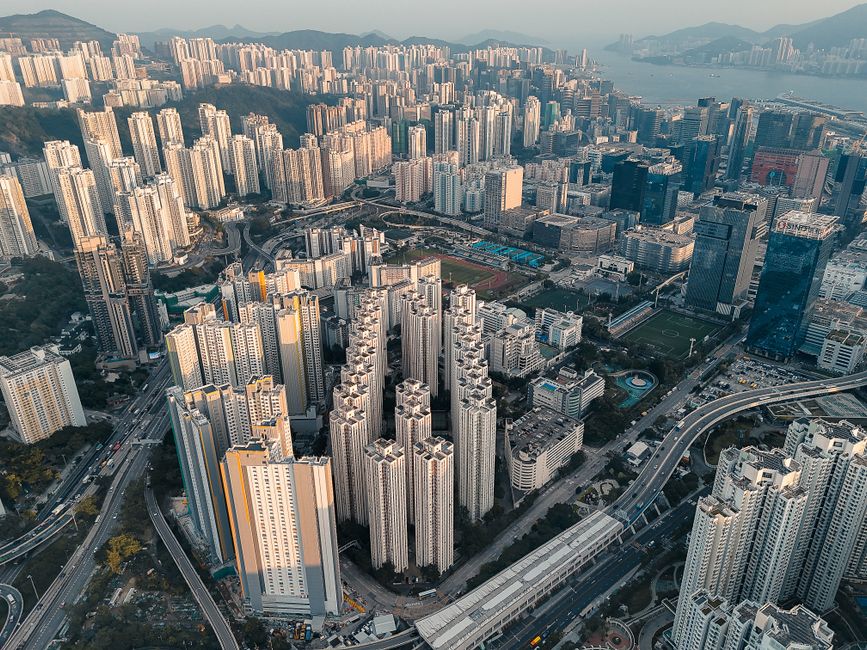
The MTR connecting 233 stations across the territory means geography matters less than it once did. Someone living in Sai Kung can realistically work in Kowloon; someone in Shau Kei Wan can access Central within twenty minutes. This has created genuinely diverse expat communities across the New Territories that early arrivals rarely explored.
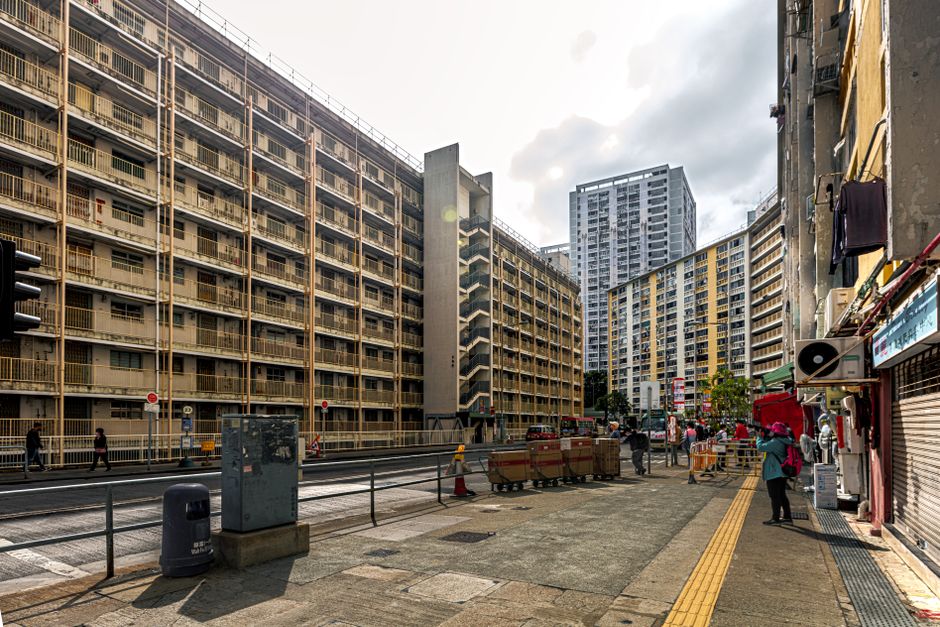
For those relocating, the genuine Hong Kong experience begins when curiosity overrides convenience. It's the neighbour in your apartment block who recommends the best dim sum spot in your neighbourhood. It's the colleague who's been here fifteen years and understands the unwritten rules of doing business. It's the parent volunteer at your child's school who's built an entire support network of similarly-minded families.
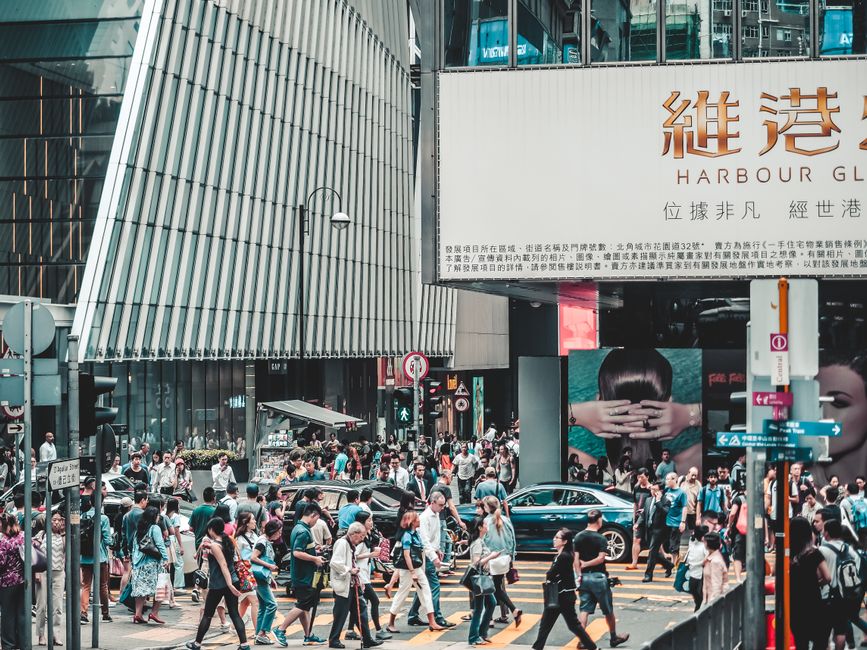
The people who make Hong Kong special aren't the ones featured in luxury magazines. They're the everyday faces—the shopkeeper who remembers your name, the fellow commuter who offers directions, the community organisers quietly building connections across cultural lines. That's where the real Hong Kong story lives.
This article was compiled by AI and screened before publishing. See our editorial standards.