Moving to Hong Kong? Skip the guidebooks and ask the locals instead
Long-term residents share the unglamorous truths about settling in Asia's World City—from transport hacks to neighbourhood surprises.
3 min read
Updated 15 h ago
Long-term residents share the unglamorous truths about settling in Asia's World City—from transport hacks to neighbourhood surprises.
3 min read
Updated 15 h ago
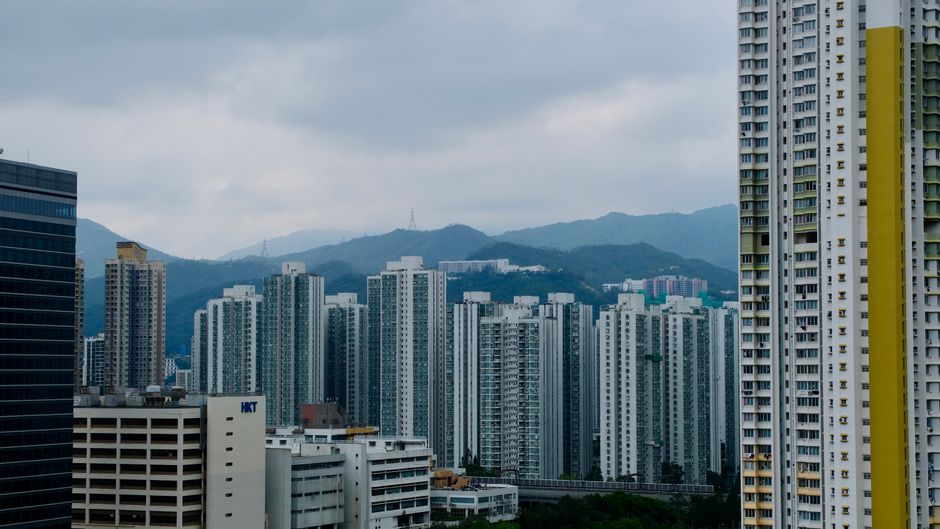
Hong Kong's expat community swells by thousands each year, yet most newcomers rely on outdated websites and corporate relocation guides. We asked the people actually living here daily for the advice nobody writes down.
Start with neighbourhood choice, and forget what recruiters tell you. Mid-level expats often default to Mid-Levels Central or Repulse Bay, but locals consistently point toward Sai Wan Ho or North Point on Hong Kong Island's eastern corridor. "You get space, genuine community, and your rent halves," says the owner of a café on King's Road who's watched the neighbourhood transform over a decade. The MTR Circle Line puts you fifteen minutes from Central; residential streets remain predominantly local.
Transport logistics matter more than apartment quality. An Octopus card ($150 HKD initial cost) becomes your lifeline within hours. Forget owning a car—parking costs exceed $700 HKD monthly, and traffic crawls predictably during peaks. The MTR, despite occasional delays, moves 5.7 million passengers daily. Download the MTR Mobile app before arrival; paper maps confuse even seasoned residents.
Housing costs deserve brutal honesty. A one-bedroom apartment in Causeway Bay averages $28,000 HKD monthly; move to Tin Hau and prices drop to $18,000 HKD for comparable space. Estate agents cluster around MTR stations—visit in person rather than trusting online listings. The Kowloon side offers better value; Jordan and Mong Kok neighbourhoods host professionals who've abandoned island rents entirely.
Healthcare quality is excellent but requires navigation. Private hospitals (Matilda International, Hong Kong Sanatorium & Hospital) cost significantly more than public alternatives. Register with a private clinic early—walk-ins face two-hour waits. Expat insurance typically covers both systems; clarify coverage before signing employment contracts.
Culturally, locals emphasise pragmatism over tourism. Visit Victoria Peak once, then embrace neighbourhood dim sum spots on Lin Fa Kung Street or Tai Koo Shing's wet markets. Join hobby groups through Internations or sports clubs rather than expat-exclusive venues; genuine integration happens through repetition, not events.
Food costs surprise newcomers. Daily dim sum runs $40-60 HKD; meal deals at office building cafés cost $50 HKD. Supermarkets (Wellcome, ParknShop) mark up Western groceries substantially—adjust expectations or budget accordingly.
Finally, complete paperwork immediately: Hong Kong ID, tax file number, mobile contract. Delays cascade frustratingly. The Immigration Department's website outlines requirements; visit their Wan Chai office early morning to avoid afternoon queues.
Hong Kong rewards those willing to abandon preconceptions and embed themselves locally. The city works best for those who treat it as home, not posting ground.
This article was compiled by AI from the sources linked above and screened before publishing. See our editorial standards.

About this article
Published by The Daily Hong Kong
Spread the word
Daily brief
Free, in your inbox before 7am. Weekdays.
Before you go
The day's Hong Kong news in a 2-minute read. Free, weekday mornings.