Your Hong Kong Gateway: A Practical Guide for Newcomers Ready to Dive In
Six months in, unpacked, and craving authentic local experiences—here's how to move beyond the expat bubble and truly settle into the city.
3 min read
Six months in, unpacked, and craving authentic local experiences—here's how to move beyond the expat bubble and truly settle into the city.
3 min read
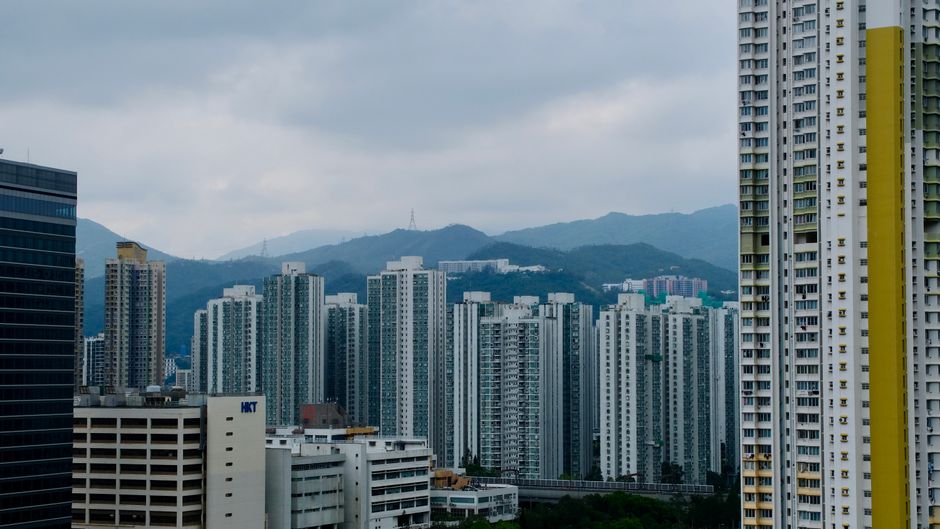
You've signed the lease, collected your ARC, and figured out the MTR. Now comes the rewarding part: actually living in Hong Kong. For newcomers hovering between tourist mode and permanent resident status, the transition requires equal parts practical savvy and cultural curiosity.
Start with neighbourhood anchors. If you're based in Central or Admiralty, Gage Street's wet market remains essential for understanding local food culture and building vendor relationships—expect to pay 30–50 HKD for premium vegetables and seafood. Venture uphill to SoHo for casual dining alongside young professionals, or head to Hollywood Road's quieter stretches for independent galleries and antique shops that reveal the city's colonial layers. On Hong Kong Island's southern shore, Ap Lei Chau's floating market and shipyards offer glimpses of pre-modern maritime traditions increasingly rare in the SAR.
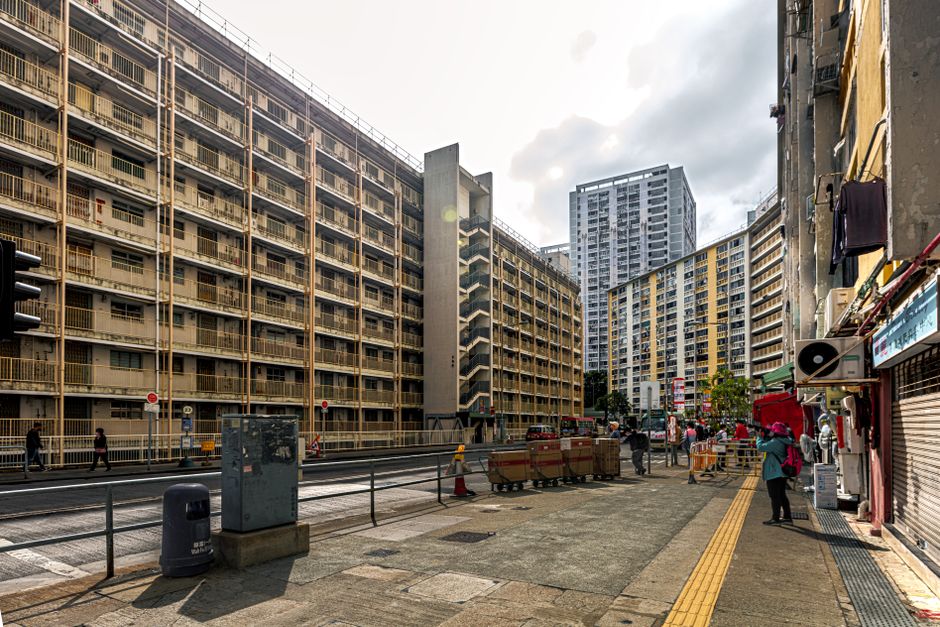
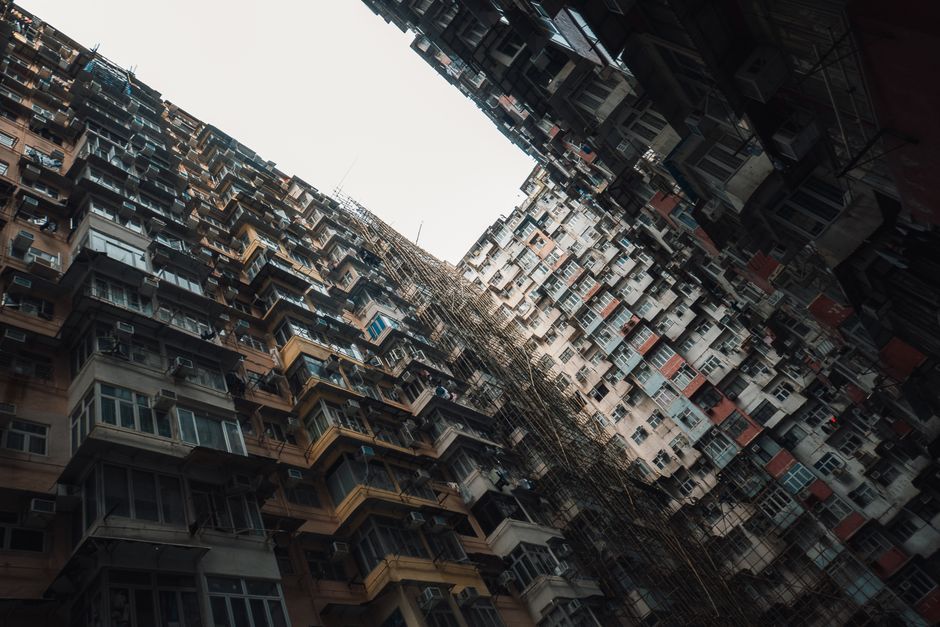
For Kowloon settlers, Mong Kok's Nathan Road is unavoidable—chaotic, neon-lit, utterly Hong Kong. But the real discovery lies in adjacent lanes: Ladies' Market for budget fashion and street food, or the quieter Flower Market Road where locals source rare plants. East Kowloon's Quarry Bay offers brutalist public housing architecture that's become Instagram-famous, but the nearby Taikoo Shing neighbourhood reveals how middle-class Hong Kong actually lives—libraries, dim sum spots, neighborhood schools.
Practical integration matters. Join volunteer groups through organisations like Crossroads Foundation or Community Chest; they're natural gateways to both locals and long-term expats with institutional knowledge. Enrol in Cantonese classes at the Open University or Community Colleges—even conversational basics unlock shopkeeper goodwill and genuine connection. Monthly language meetups in Central's Fringe Club attract learners serious about cultural integration.
Food is your shortcut. Skip tourist-trap dim sum palaces and ask your building's cleaner or MTR staff for their family restaurant. Expect 60–80 HKD for authentic dim sum breakfasts in neighbourhood spots around Causeway Bay or Western District. Weekend wet market exploration—Ap Lei Chau, Graham Street, or Jervois Street—teaches ingredient knowledge while connecting you to vendor networks that'll eventually remember your preferences.
Transportation literacy accelerates belonging. Get an Octopus card immediately (HKD 150 deposit plus value), then master cross-harbour routes. The Star Ferry isn't just tourist transport; locals use it daily and it's where informal neighbourhood gossip circulates. Tram lines, particularly the historic routes through Western and Wan Chai, reveal street-level Hong Kong that buses and MTR obscure.
Finally, attend seasonal community events: Lunar New Year temple fairs in Wong Tai Sin, summer outdoor cinema screenings organised by district councils, or local sports days. These moments, unglamorous and sometimes chaotic, are where you'll transition from visitor to resident.
This article was compiled by AI from the sources linked above and screened before publishing. See our editorial standards.
About this article
Published by The Daily Hong Kong
Spread the word
Daily brief
Free, in your inbox before 7am. Weekdays.
Before you go
The day's Hong Kong news in a 2-minute read. Free, weekday mornings.