Hong Kong's School Run Just Got Easier: Here's What Parents Are Celebrating
New transport links, expanded playgrounds and a shift towards flexible learning have transformed family life across the city.
3 min read
Updated 16 h ago
New transport links, expanded playgrounds and a shift towards flexible learning have transformed family life across the city.
3 min read
Updated 16 h ago
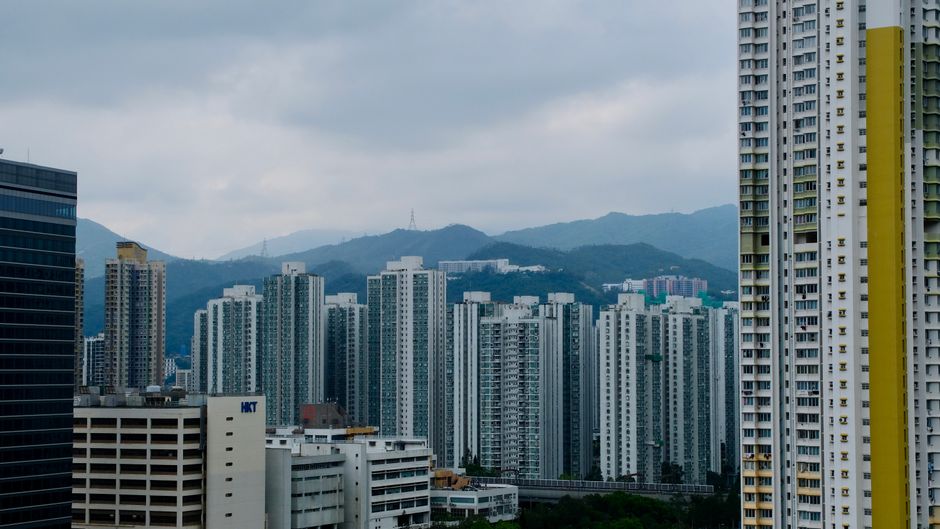
Three years ago, Sarah Wong spent 90 minutes daily ferrying her two children between their Mid-Levels home and separate schools in Causeway Bay and Repulse Bay. Today, she's a devotee of the newly expanded MTR feeder bus network, leaving her with precious morning hours reclaimed. "I'm not exhausted before breakfast anymore," she laughs. "It sounds small, but for working parents, it's everything."
Wong's experience mirrors a broader transformation reshaping family life across Hong Kong. After nearly a decade of stagnation, the city's education and family infrastructure has undergone a quiet renaissance that parents are embracing enthusiastically.
The catalyst? A combination of factors. The completion of the Central-Victoria Harbour transport scheme last year reduced commute times from Central to the New Territories by up to 35 minutes for families juggling multiple school pickups. Simultaneously, an influx of hybrid and flexible schooling models—pioneered initially during pandemic disruptions but now embedded into mainstream international schools—has given parents genuine choice. More than 60% of international schools in Hong Kong now offer full-time flexible schedules, compared to just 8% in 2020.
Perhaps most tangible is the neighbourhood playground revolution. The Leisure and Cultural Services Department's HK$800-million refresh programme has transformed 47 public play spaces across Kowloon and Hong Kong Island. The newly expanded Discovery Park in Sai Kung now rivals anything in Singapore, with adventure trails for older children and dedicated toddler zones. Weekend afternoons there now resemble community festivals rather than polite gatherings.
Private tutoring—once the default for aspirational families—is finally losing its stranglehold. Progressive schools like Renaissance College and Beacon College have championed broader curriculums that value curiosity over test scores, encouraging parents to step off the relentless tuition treadmill. Enrolment at Saturday-morning cram classes across Mong Kok and Causeway Bay has dropped 22% since 2023, according to industry data.
The financial equation has shifted too. Average international school fees have plateaued around HK$180,000-250,000 annually, while online tutoring—once a pandemic necessity—now costs 40% less than in-person sessions, allowing families to be more selective about spending.
Perhaps most significantly, a measurable shift in cultural attitudes has taken hold. Parents increasingly talk about "sustainable childhood" rather than optimisation. Community groups from Mid-Levels to Pokfulam now regularly organize unstructured play sessions and family hikes, recognising that free time might be more valuable than another enrichment class.
For a city long defined by its relentless pace, Hong Kong's families are finally catching their breath—and genuinely enjoying it.
This article was compiled by AI from the sources linked above and screened before publishing. See our editorial standards.
About this article
Published by The Daily Hong Kong
Spread the word
Daily brief
Free, in your inbox before 7am. Weekdays.
Before you go
The day's Hong Kong news in a 2-minute read. Free, weekday mornings.