Beyond the Bargains: How Hong Kong's Markets Reveal the Soul of Their Neighbourhoods
From the fishmongers of Aberdeen to the fabric traders of Apliu Street, local markets are living archives of community identity, resilience and transformation.
This article was generated by AI from the linked public sources. The Daily Hong Kong is independently owned and covers Hong Kong news free from advertiser or sponsor influence. Read our editorial standards →
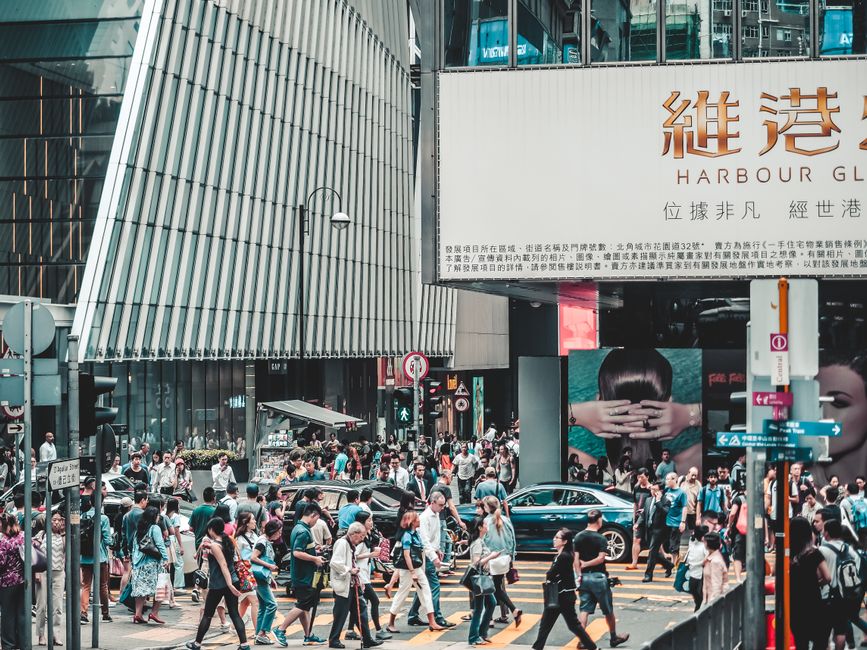
Walk into any Hong Kong market on a Saturday morning and you're not just hunting for deals—you're witnessing the heartbeat of a neighbourhood. The city's traditional bazaars, from the bustling Temple Street Night Market in Mong Kok to the quieter gem of Graham Street Market in Central, each tell a distinct story about who lives there, what they value, and how their district has evolved.
Take Ap Lei Chau's wet market, tucked beneath residential blocks on the south side of Aberdeen Harbour. Here, retired fishermen's wives still haggle over live grouper while young professionals grab pre-cut vegetables between MTR commutes. The neighbourhood's transition from fishing village to mixed-income residential enclave plays out daily in real-time negotiations over fish prices—typically HK$80-150 per pound for fresh local catch. Regular vendors have occupied the same stalls for 30 years; newcomers arrive monthly, trying to establish roots in an increasingly compressed retail landscape.
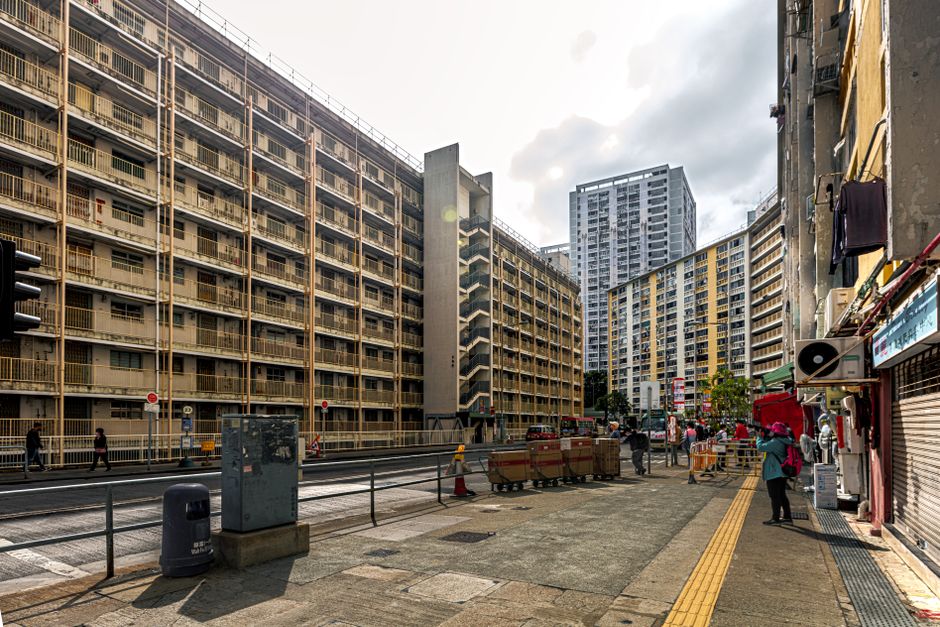
Apliu Street in Sham Shui Po tells a different narrative entirely. Once the epicentre of Hong Kong's electronics trade, the district still hosts fabric traders, button merchants, and haberdashery shops squeezed into narrow storefronts. The street market operates informally, with regulars knowing exactly which stall keeper stocks specific vintage textiles or hard-to-find notions. Prices range from HK$5-50 per metre depending on material quality, but the real currency here is reputation and relationship—vendors remember customers from five years ago and set aside interesting finds.
What distinguishes Hong Kong's markets from generic shopping experiences is their embedded social infrastructure. Aberdeen Market functions as a de facto community centre where elderly residents exchange medical advice while selecting vegetables. Sham Shui Po's fabric district attracts fashion students, theatre costume designers, and amateur dressmakers who form loose creative networks around shared suppliers. These aren't transactional spaces; they're where neighbourhoods negotiate their identity.
This character comes under increasing pressure. Since 2015, Hong Kong has lost approximately 23 traditional wet markets, replaced by supermarket chains and online delivery services. The surviving markets—including the iconic Kowloon City Market and the restored heritage spaces like those in Tai O—represent cultural preservation as much as commerce.
For visitors and locals alike, the message is clear: markets reveal what makes each neighbourhood distinctly Hong Kong. They're where authenticity still trades at face value.
This article was compiled by AI and screened before publishing. See our editorial standards.
Covering lifestyle in Hong Kong. This article was generated by AI from the linked sources and was not reviewed by a human editor before publishing. See our editorial standards.