lifestyle
Why Hong Kong's Nightlife Defies Every Global Comparison: \1 Why That Matters
From rooftop bars in Central to hidden speakeasies in Sheung Wan, this city's after-dark culture operates on rules entirely its own.
3 min read
Updated 5 min ago
lifestyle
From rooftop bars in Central to hidden speakeasies in Sheung Wan, this city's after-dark culture operates on rules entirely its own.
3 min read
Updated 5 min ago
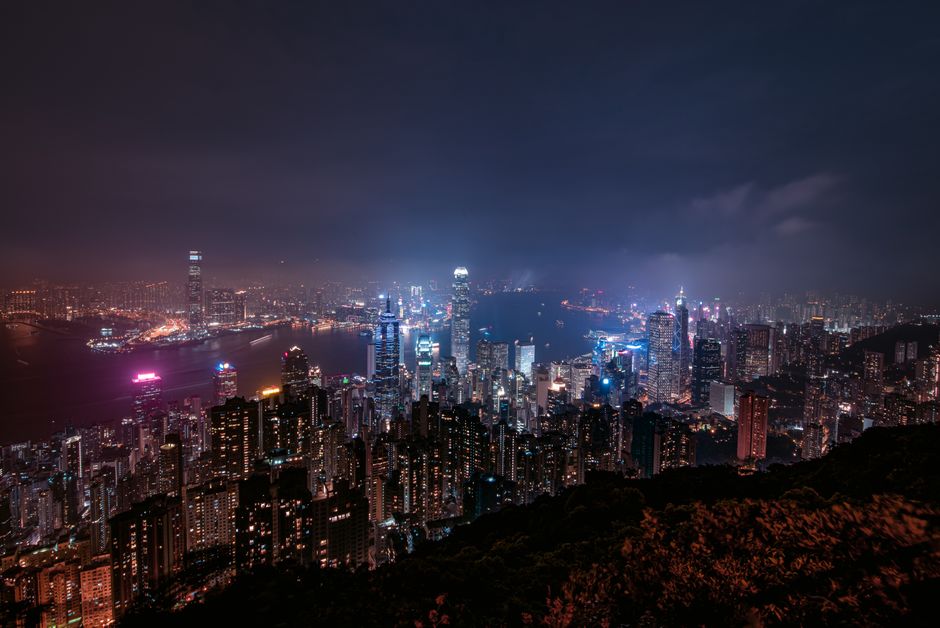
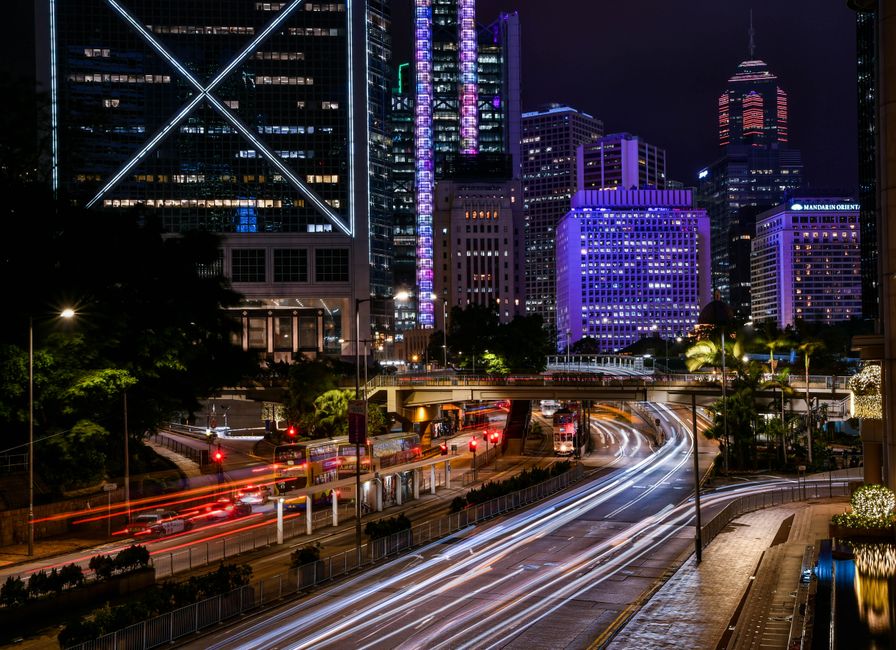
Walk down Wyndham Street on a Friday night and you'll witness something impossible to replicate elsewhere: a vertical city at play. While London's Soho spreads horizontally and Bangkok's night bazaars sprawl across neighborhoods, Hong Kong has engineered an entirely different animal—a nightlife ecosystem compressed into the vertical geography of dense financial districts and old residential quarters, where a single building might house three decades of accumulated bar culture across its twenty floors.
What truly sets Hong Kong apart is the collision of hyper-regulation and creative liberation. Unlike cities where liquor licenses flow freely, Hong Kong's restrictive licensing system creates genuine scarcity value. This has bred something fiercer: a speakeasy culture that doesn't feel like performance but like necessity. In Sheung Wan's narrow lanes, bars masquerade as antique shops or unmarked doorways. Hidden bar Stockton, tucked behind what appears to be a noodle stall, charges HK$120 for a cocktail (roughly US$15)—pricey by regional standards but reasonable for the craftsmanship.
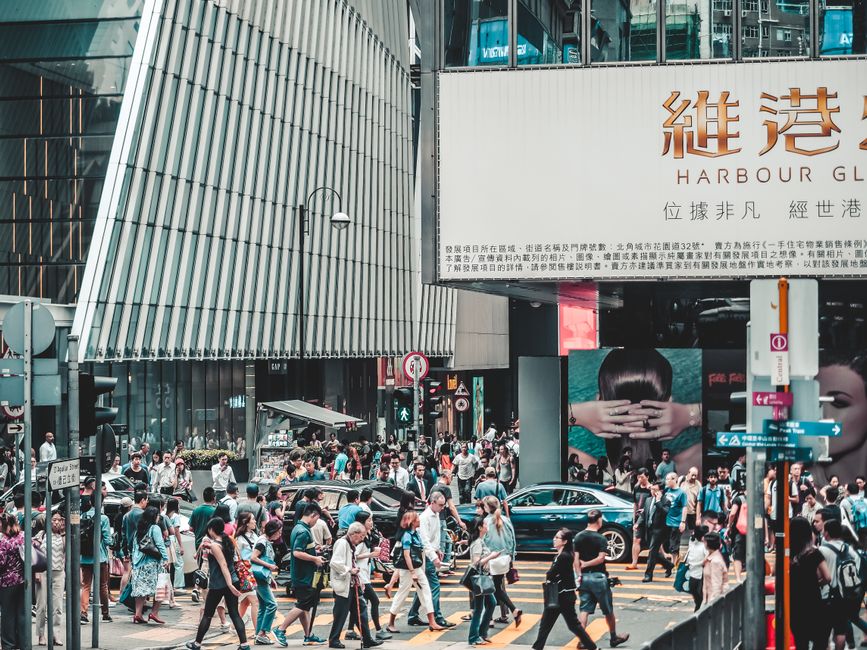
The demographic composition differs radically too. Hong Kong's nightlife draws equally from expat finance workers, local creatives, Mainland visitors, and longtime residents—a genuinely cosmopolitan mix that produces venues serving neither tourists nor locals exclusively, but something in between. Lan Kwai Fong remains the obvious anchor, but venues like Behind Bars in Wan Chai and The Pontiac in Sheung Wan now compete for serious drinkers who expect both authenticity and professionalism.
Perhaps most distinctively, Hong Kong's bar scene operates within a culture of deep social obligation and face-saving that influences everything from how rounds are ordered to how venues manage their communities. The phenomenon of "yum cha" extends seamlessly into nightlife—bars function as social anchors where regular patrons build decades-long relationships with bartenders and fellow drinkers. You won't find this level of embedded social infrastructure in most Western cities, where bars skew more transactional.
The economic backdrop amplifies the uniqueness. With a median monthly income around HK$18,000 for service industry workers, Hong Kong bars price themselves carefully to maintain clientele across economic brackets—a delicate balance Shanghai and Singapore navigate differently, with more stratified venues.
What makes Hong Kong's nightlife globally distinctive isn't a single element but the synthesis: regulatory scarcity producing genuine craft, vertical geography creating unexpected intimacy, multicultural demographics resisting monoculture, and social traditions reshaping how spaces function. This is a city where the bar on the 34th floor in Central and the dive bar in Mong Kok operate by completely different rulebooks—and both somehow work.
This article was compiled by AI and screened before publishing. See our editorial standards.
About this article
Published by The Daily Hong Kong
Spread the word
Daily brief
Free, in your inbox before 7am. Weekdays.
Before you go
The day's Hong Kong news in a 2-minute read. Free, weekday mornings.