The Faces Behind the Neon: How Ordinary People Shape Hong Kong's Extraordinary Neighbourhoods
From dai pai dong vendors to community activists, it's the residents—not the skyline—who define what makes each district pulse with life.
3 min read
From dai pai dong vendors to community activists, it's the residents—not the skyline—who define what makes each district pulse with life.
3 min read
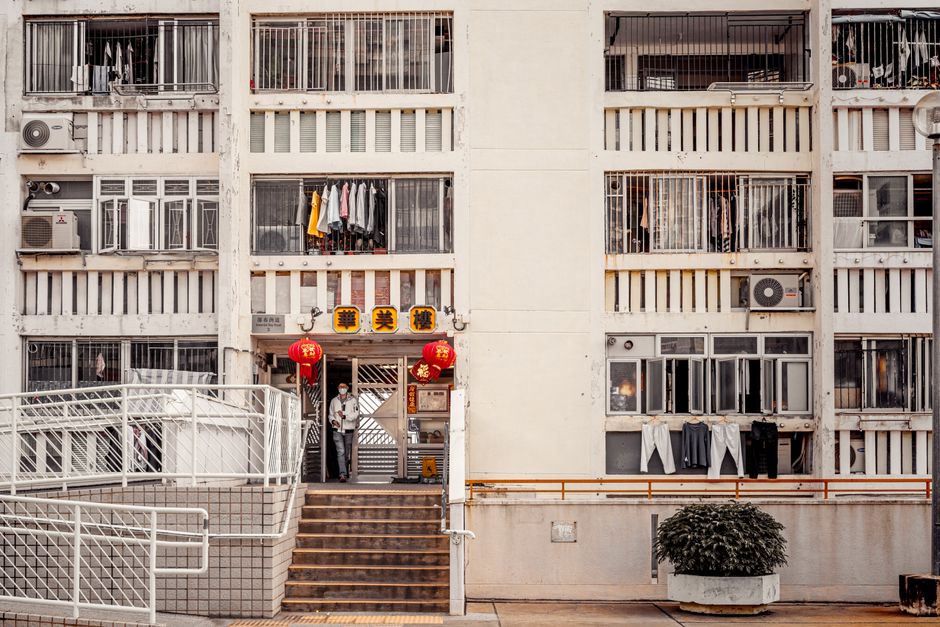
Walk through Mong Kok on a Tuesday morning and you'll find Mrs. Chan, 67, arranging live chickens in wooden crates outside her family's poultry stall on Nelson Street—a ritual she's performed for forty-three years. She's never advertised online. Her regulars know exactly where to find her, what time she arrives, and that she remembers their preferred cuts without asking. This is the texture of Hong Kong that postcards miss entirely.
Hong Kong's neighbourhoods aren't defined by their architectural landmarks or property values alone. They're animated by the people who've chosen to stay, to build, to belong. In Sham Shui Po, where median rents hover around HK$18,000 monthly for a subdivided flat, community worker Tommy Wong has spent the last twelve years documenting elderly residents' oral histories through his grassroots initiative, Fabric of Streets. "People think gentrification is inevitable," he explains. "But when someone knows their neighbour's story—really knows it—the neighbourhood becomes irreplaceable."
Similar threads run through Stanley's waterfront, where retired banker-turned-café owner David manages a small espresso bar on Stanley Main Beach Road, deliberately keeping prices accessible. His morning regulars include construction workers, retirees, and tourists seeking authentic interaction rather than Instagram moments. The café serves as an unofficial community hub where locals solve neighbourhood problems over coffee.
In Central's residential pockets—particularly around Gage Street and Caine Road—artist collectives and young families have created hybrid live-work spaces. Gallery owner Rebecca maintains a ground-floor exhibition space while living above it, blurring professional and domestic boundaries in ways that foster spontaneous community engagement. These aren't formal organisations; they're organic ecosystems born from proximity and intention.
The 2025 Census recorded 7.46 million residents across Hong Kong's 18 districts. Yet statistics obscure what matters most: the invisible networks that hold neighbourhoods together. In Wan Chai, the Neighbourhood and Workers' Service Centre operates from a modest Nathan Road office, connecting migrant domestic workers with legal resources and community events. Their annual neighbourhood festivals draw thousands, transforming anonymous streets into collective spaces.
What makes Hong Kong's neighbourhoods genuinely special isn't their efficiency or density, though both are remarkable. It's the deliberate choices residents make to acknowledge each other—the restaurateur who remembers your order, the community elder who mentors young people, the activist documenting disappearing traditions before they vanish entirely. These aren't stories Hong Kong typically tells about itself. But they're the only stories that actually matter.
This article was compiled by AI from the sources linked above and screened before publishing. See our editorial standards.
About this article
Published by The Daily Hong Kong
Spread the word
Daily brief
Free, in your inbox before 7am. Weekdays.
Before you go
The day's Hong Kong news in a 2-minute read. Free, weekday mornings.