On any Saturday morning, Victoria Park transforms into a living portrait of neighbourhood identity. The 19-hectare Causeway Bay landmark hosts everything from dragon boat teams practising near the tennis courts to elderly residents performing tai chi by the basketball hoops. Yet it's the smaller, lesser-known green spaces that truly reveal how Hong Kong communities operate—places where locals outnumber tourists and neighbourhood character flourishes organically.
Take Kowloon Tong Park, nestled in the heart of an established residential area. This 4.8-hectare space attracts a tight-knit crowd: parents from nearby primary schools, retired professionals who've lived in the neighbourhood for decades, and young families drawn by the gentle walking trails. "The real Hong Kong happens in these pockets," says the Kowloon Tong Community Centre, which regularly organises gardening workshops and children's nature programmes. The park's winding paths and flowering gardens create informal gathering spots where neighbours become friends.
In Sai Kung, the neighbourhood character revolves entirely around outdoor living. The Sai Kung Waterfront Park anchors a community that still maintains village-like sensibilities despite urban pressures. Local fishing families, weekend hikers, and young professionals seeking refuge from Central's intensity share the same benches overlooking Starling Inlet. Nearby restaurants and dai pai dong stalls create natural congregation points—spaces where the park extends seamlessly into street life.
The economics of green space access in Hong Kong remain distinctly local. While waterfront properties near Sai Kung command premium prices (typically HK$25,000–35,000 per square foot), the parks themselves remain free, democratising outdoor living across income brackets. Similar dynamics play out in Tai Po, where the Tai Po Waterfront Park serves working-class families and young professionals equally.
What distinguishes Hong Kong's park culture is its intergenerational fabric. Morning tai chi practitioners share spaces with office workers jogging before work. Grandparents supervise toddlers while teenagers play futsal. This cross-generational mixing—increasingly rare in fragmented modern cities—defines the neighbourhood vibe that keeps communities cohesive.
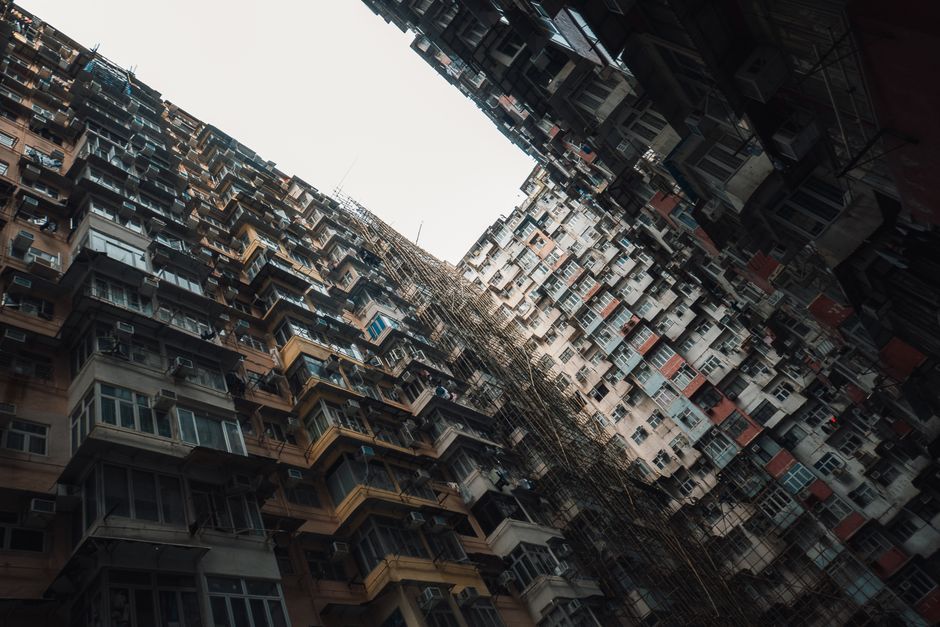
As Hong Kong grapples with urban density (currently 7,500 people per square kilometre), these green spaces function as essential social infrastructure. They're not merely recreational—they're the connective tissue binding neighbourhoods together, proving that even in one of the world's most crowded cities, community character thrives where people can simply be present together.
This article was compiled by AI from the sources linked above and screened before publishing. See our editorial standards.