lifestyle
Why Hong Kong's Transport System Leaves Global Cities in the Dust
From the iconic Star Ferry to the MTR's seamless integration, Hong Kong has cracked the code on urban mobility—and the world is taking notes.
3 min read
Updated 2 d ago
lifestyle
From the iconic Star Ferry to the MTR's seamless integration, Hong Kong has cracked the code on urban mobility—and the world is taking notes.
3 min read
Updated 2 d ago
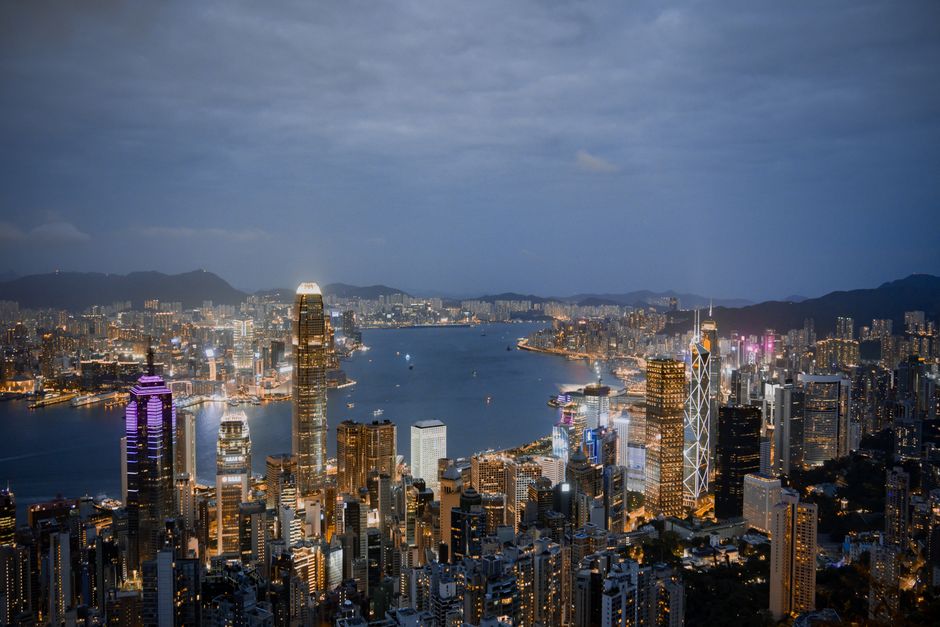
Stand on the platform at Central MTR station during rush hour and you'll witness something that baffles visitors from London, New York, and Tokyo: organised chaos. Within seven minutes, three trains arrive and depart with military precision. The entire system moves 5.7 million passengers daily across 230 kilometres of track—more journeys per capita than almost any comparable city globally—yet the average wait time rarely exceeds five minutes.
This isn't accidental. What makes Hong Kong's transport ecosystem genuinely exceptional isn't just efficiency; it's the seamless integration of competing services that would seem impossible elsewhere. The MTR operates alongside the tram network on Hong Kong Island, the minibus ecosystem of the New Territories, and the legendary Star Ferry, which still charges $2.80 for a cross-harbour journey that would cost £10 in London or $7.75 in New York. These aren't competing monopolies—they're complementary systems that somehow coexist without the turf wars that paralyse other cities.
Consider Causeway Bay to Mong Kok. In most global cities, this journey would be a negotiation with taxi drivers or a resignation to sitting in gridlock. In Hong Kong, you have genuine options: the MTR (2.50 minutes, $3.10), the tram ($1.30, weathered charm included), or minibuses running until 2 a.m. when official transit sleeps. The system works because of two things most cities lack: density and consensus.
The Octopus card, introduced in 1997, remains unmatched globally as a seamless payment system. It works across MTR, buses, ferries, and even convenience stores. Singapore's EZ-Link came later. London's Contactless still can't match its reach. When you exit the airport's arrival hall and tap your card on any transport, knowing it'll work everywhere without apps, registrations, or digital friction, you understand why the system feels almost magical.
Pricing tells another story. A monthly MTR unlimited pass costs around $580—roughly what Londoners pay for Zone 1-2 travel. Yet Hong Kong's network covers vastly greater distances and services more passengers per track kilometre than the Tube. The ferry system, which remains one of the world's busiest, preserves a Victorian technology through pure operational excellence rather than nostalgia.
What makes Hong Kong unique isn't one innovation. It's the stubborn commitment to redundancy—ensuring multiple ways to move between Victoria Peak and Sai Kung, between Tsim Sha Tsui and Sheung Wan. Most global cities have chosen monopoly or fragmentation. Hong Kong somehow made competition complementary. That's the real transport revolution.
This article was compiled by AI and screened before publishing. See our editorial standards.
About this article
Published by The Daily Hong Kong
Spread the word
Daily brief
Free, in your inbox before 7am. Weekdays.
Before you go
The day's Hong Kong news in a 2-minute read. Free, weekday mornings.