lifestyle
Beyond Your Apartment: A Practical Guide for Expat Newcomers Ready to Explore Hong Kong
You've signed the lease and unpacked the boxes—now it's time to discover what makes this city genuinely liveable.
3 min read
Updated 1 d ago
lifestyle
You've signed the lease and unpacked the boxes—now it's time to discover what makes this city genuinely liveable.
3 min read
Updated 1 d ago

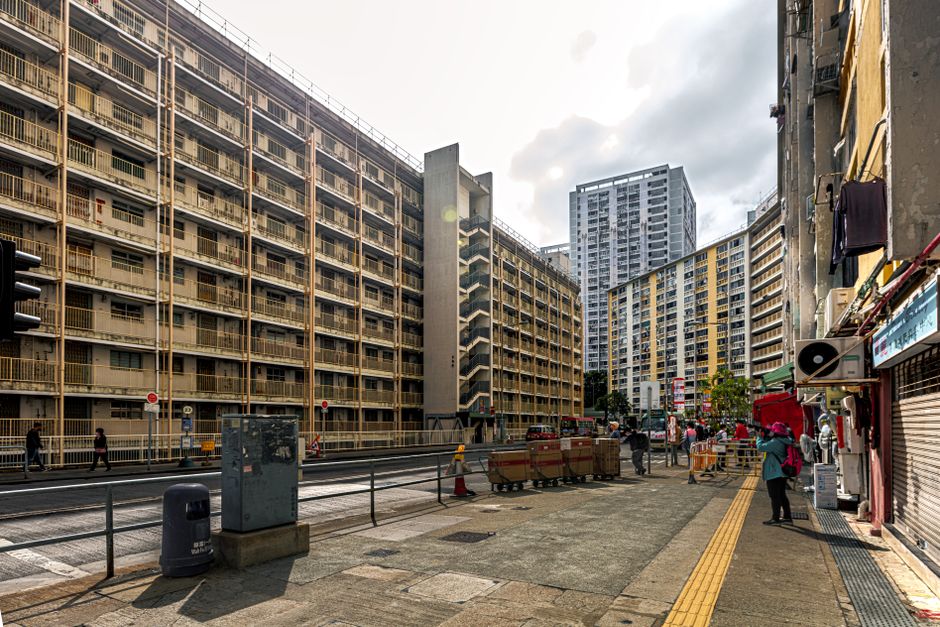
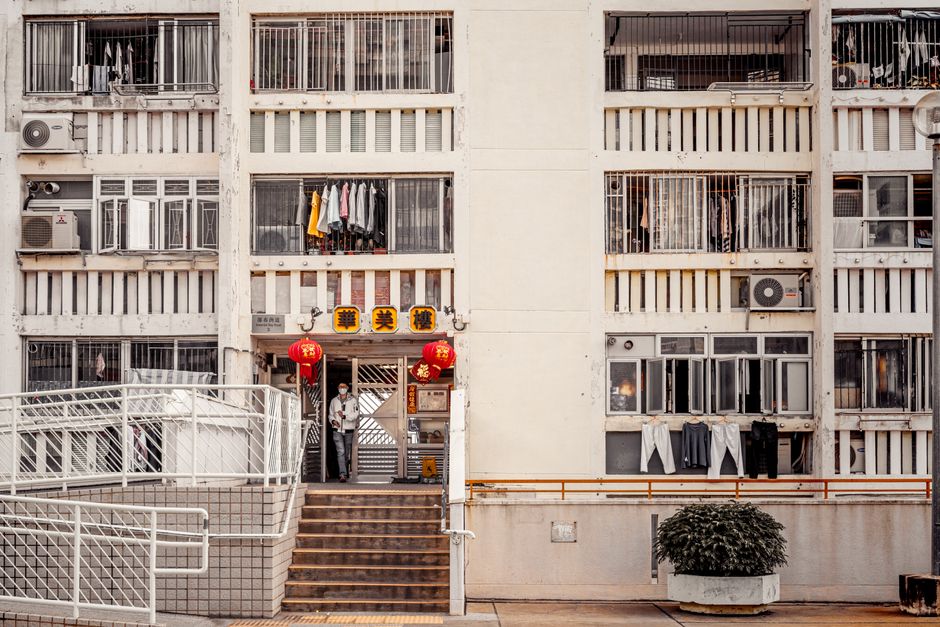
The first month in Hong Kong can feel overwhelming. But once you've navigated the MTR system and figured out which dim sum spot serves the best har gow, the real adventure begins. Whether you've landed in Mid-Levels, Quarry Bay, or Repulse Bay, here's how to move beyond survival mode and actually start living.
Get the Geography Right
Stop thinking of Hong Kong as one place. Central's towering offices and galleries cluster around the IFC mall and PMQ (a creative hub in a converted police headquarters). Wan Chai offers the edgier vibe: rooftop bars, independent galleries, and the Sunday wet markets that locals actually use. Causeway Bay caters to mass retail, while Sheung Wan—quiet, walkable, full of independent cafes—rewards exploration. Cross the harbour: Kowloon's Temple Street Night Market and the younger energy of areas like Mong Kok feel genuinely different. Getting a Octopus card (around HK$150-250) transforms these journeys from stressful to intuitive.
Food Beyond Guidebooks
The restaurants in your neighbourhood guidebook are probably good, but they're not the secret. Ask your colleagues. Join expat Facebook groups focused on your district—locals will direct you to family-run Cantonese restaurants, obscure dai pai dong stalls in Sham Shui Po, and hole-in-the-wall noodle places that cost HK$25-40 for lunch. The Sunday brunch scene is real but overpriced; dim sum trolleys at Lian Sheng or Maxim's outlets deliver better value and authenticity.
Building Your Routine
Find your third places quickly. Libraries at Central or Admiralty offer free WiFi and community events. Join a sports club—football leagues, hiking groups, and running clubs through clubs like Hash House Harriers connect you fast. The Hong Kong Rugby Club and various expat sports organisations host regular fixtures. Community centres offer affordable swimming, badminton, and classes.
Neighbourhoods Worth Knowing
Tai Hang offers village-like charm with weekend markets. Kennedy Town's waterfront is transforming with galleries and cafes. For greenspace, the Peak Tram (HK$35 return) leads to hiking trails that rival anything in Southeast Asia. Lantau Island's fishing villages feel worlds away—a Saturday ferry ride costs under HK$50.
Practical Essentials
Open a bank account immediately—apps like WeLend and virtual banks streamline this. Download apps ruthlessly: MTR Go, foodpanda, Deliveroo, and Carousell (Hong Kong's Vinted). Gym memberships run HK$1,500-2,500 monthly; day passes cost HK$120-180. Insurance matters: expat health insurance typically costs HK$5,000-12,000 annually depending on coverage.
Hong Kong rewards curiosity over caution. The best part of living here? Discovery happens constantly, in neighbourhoods you'll stumble into entirely by accident.
This article was compiled by AI and screened before publishing. See our editorial standards.
About this article
Published by The Daily Hong Kong
Spread the word
Daily brief
Free, in your inbox before 7am. Weekdays.
Before you go
The day's Hong Kong news in a 2-minute read. Free, weekday mornings.