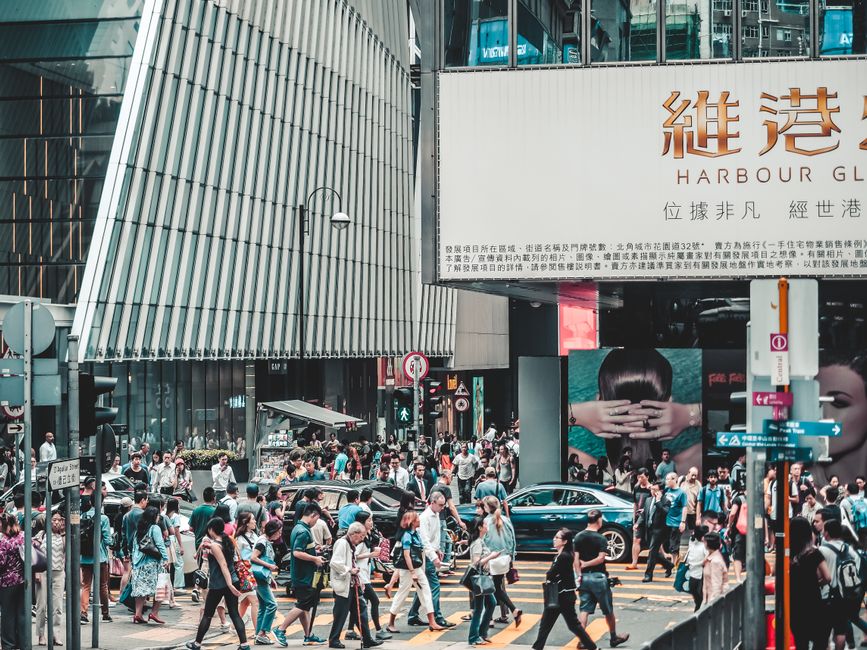
Walk down Hollywood Road on any Saturday morning, and you'll witness a living museum of Hong Kong's layered identity. Shop owners polish jade figurines passed down through generations. Street vendors arrange dried seafood with practiced precision. These aren't just transactions—they're performances of continuity in a city that moves at hypersonic speed.
This is what makes Hong Kong's neighbourhood character so distinct. While global property prices have climbed 340% over the past decade according to real estate analysts, the soul of our districts remains tethered to the people who've chosen to stay, to serve, to build community rather than merely profit.
In Sham Shui Po, the revival of the once-fading textile precinct owes everything to young designers and established fabric merchants who've learned to collaborate rather than compete. The district's weekly creative markets—held near Apliu Street—now draw visitors from across the harbour, yet long-time residents still recognise each face. Elderly fabric traders mentor younger entrepreneurs. Community spaces like the Jwehrmann Studio have become informal cultural anchors, hosting workshops that blend traditional craftsmanship with contemporary design.
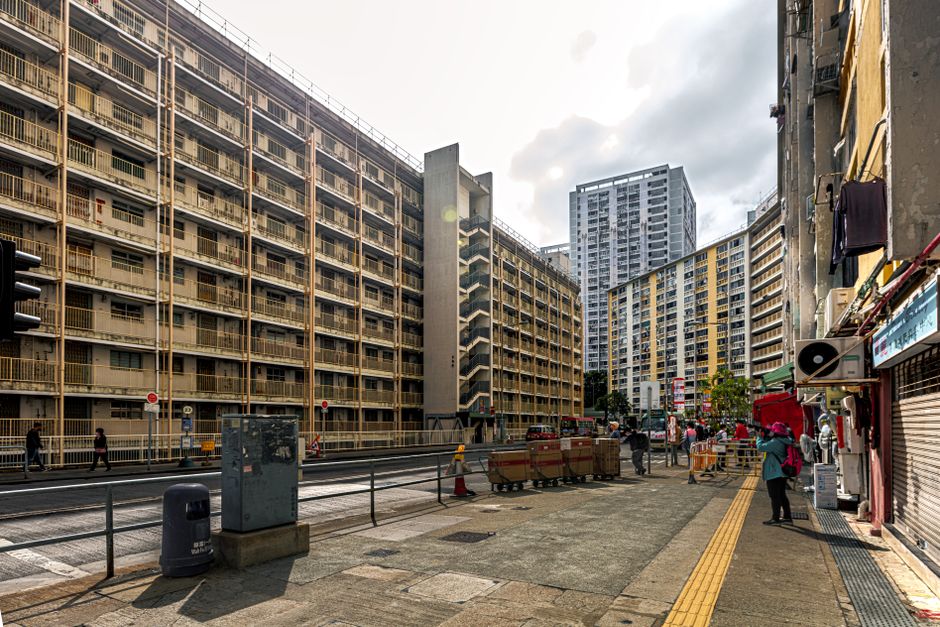
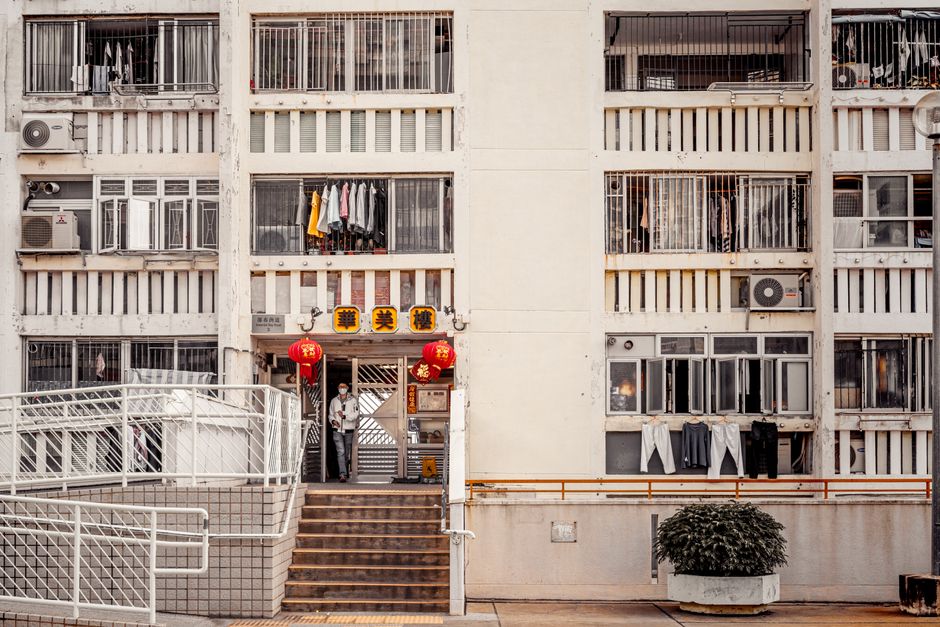
North Point tells another story entirely. What outsiders might dismiss as a "residential zone" is actually a sophisticated ecosystem of grassroots organising. Community centres along King's Road pulse with Cantonese opera classes, tai chi sessions, and neighbourhood watch groups. Local volunteers—many retired professionals—run English conversation clubs and technology workshops for seniors. These aren't government-funded initiatives; they emerge from residents who've decided their neighbourhood's health matters more than passive consumption.
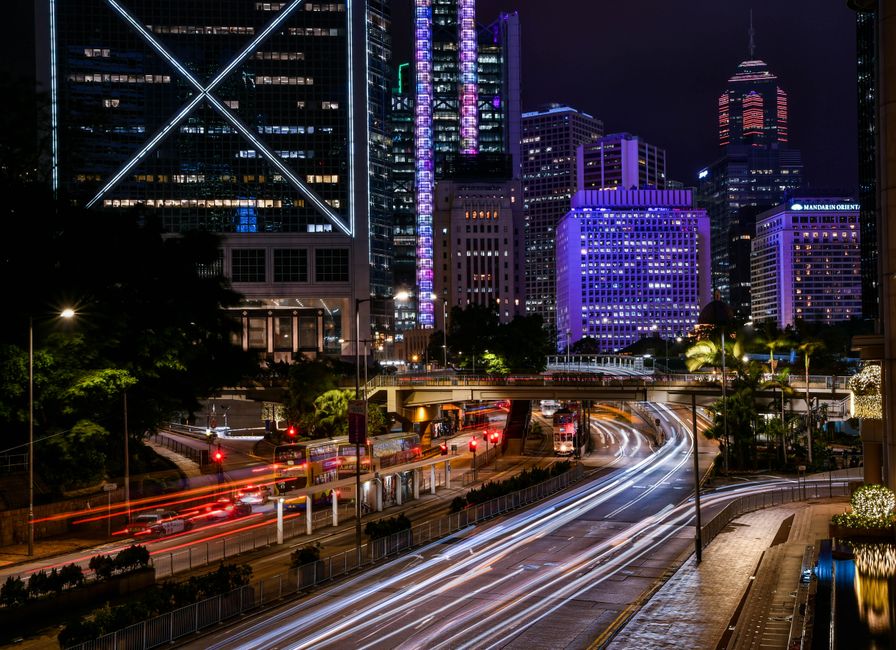
Even in Central, where finance towers cast shadows over narrow streets, pockets of human-scale community persist. The wet markets around Graham Street remain fiercely local, despite rents that would make many entrepreneurs weep. Regulars greet the same fishmongers, vegetable sellers, and butchers by name. These traders are guardians of a particular kind of urban knowledge—seasonal rhythms, neighbourhood gossip, the unwritten rules that keep a dense population functioning.
What's striking, as 2026 progresses, is how these communities are becoming more deliberate, more visible. Perhaps in response to rapid change, Hong Kong residents are increasingly choosing to invest in their immediate surroundings. Neighbourhood associations host street festivals. Young professionals return to their home districts not just to visit parents, but to participate in local cultural revival efforts.
Hong Kong's true luxury isn't penthouse views or Michelin-starred dining. It's knowing the people around you. It's belonging to a place that knows you back.
This article was compiled by AI and screened before publishing. See our editorial standards.