Why Hong Kong's Weekend Escapes Beat Every Other Global City Hands Down
From hiking peaks to island hopping in under an hour, Hong Kong offers a rare blend of urban sophistication and wilderness access that few cities on earth can match.
3 min read
From hiking peaks to island hopping in under an hour, Hong Kong offers a rare blend of urban sophistication and wilderness access that few cities on earth can match.
3 min read
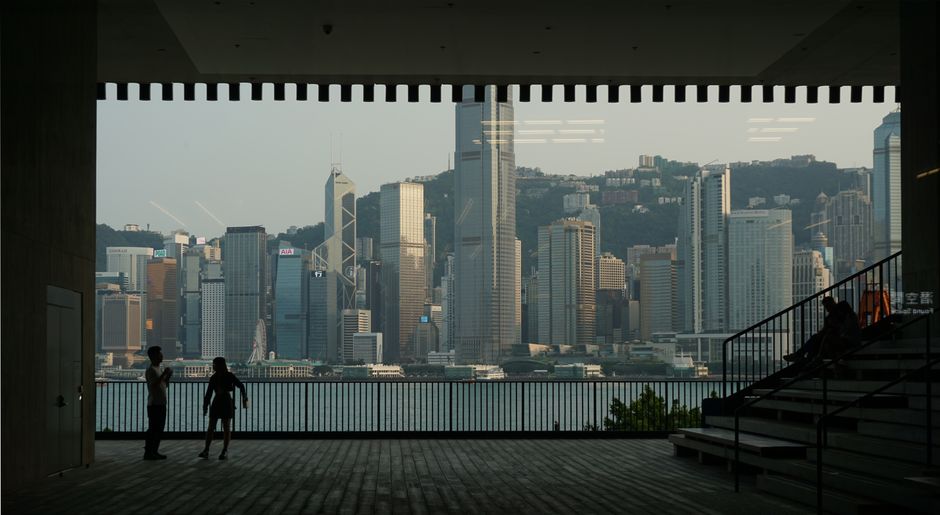
Most weekend warriors face a choice: stay in the city or flee to nature. Hong Kong's peculiar genius is that you don't have to choose. On Saturday morning, you could be scaling the Dragon's Back trail in Shau Kei Wan—a two-hour hike with Victoria Harbour framed between verdant ridges—and still make lunch in Central by noon. Try that in London, Tokyo, or New York.
What makes this possible is Hong Kong's uncommon geography. Nearly 40% of the territory is designated country park, with 24 protected areas sprawling across the New Territories and outer islands. Yet the urban core remains densely packed, meaning wilderness is never more than an MTR ride away. Compare this to Sydney, where weekend hikers often burn four hours in traffic before hitting the Blue Mountains, or Singapore, where nature reserves top out at a few hundred hectares.
The island-hopping culture is equally distinctive. Lantau Island's Tai O fishing village—accessible by bus for HK$11.50—feels like stepping into another century, complete with stilt houses and dried seafood markets. Lamma Island's Sok Kwu Wan offers fresh seafood restaurants metres from the pier, a casual sophistication you won't find at comparable island destinations elsewhere. The ferry infrastructure itself, operated by Star Ferry and New World First Bus, makes these journeys routine rather than expeditions.
For urban explorers, neighbourhoods pack more character per square kilometre than most world cities. Sheung Wan's antique shops and galleries cluster within walkable blocks. Sham Shui Po remains refreshingly gritty, its electronics markets and dai pai dong (open-air food stalls) untouched by gentrification that has sterilised equivalent districts globally. A Sunday dim sum breakfast in a traditional tea house here costs around HK$80-120 per person—impossible pricing in comparable cities.
The hiking numbers tell their own story. Hong Kong has over 3,000 kilometres of marked trails, more per capita than nearly any developed nation. The MacLehose Trail, stretching 100 kilometres across the New Territories, attracts tens of thousands annually. Yet these trails remain refreshingly uncrowded compared to equivalents in Taiwanese mountain parks or Swiss Alps.
What truly distinguishes Hong Kong is the absence of compromise. You're not choosing between cosmopolitan weekday life and weekend escape—both exist in stunning proximity. A Friday night at a Michelin-starred restaurant in Admiralty, followed by Saturday's peak-bagging in the Sai Kung Peninsula, followed by Sunday's temple exploration in Mong Kok. That integrated lifestyle, where world-class urbanism and untamed nature coexist without sacrifice, remains Hong Kong's most underrated luxury.
This article was compiled by AI from the sources linked above and screened before publishing. See our editorial standards.
About this article
Published by The Daily Hong Kong
Spread the word
Daily brief
Free, in your inbox before 7am. Weekdays.
Before you go
The day's Hong Kong news in a 2-minute read. Free, weekday mornings.