Ask a parent raising children in Hong Kong what makes their job different, and you'll get a story that sounds almost fictional to those in London, Singapore, or Sydney. Your eight-year-old might attend an International Baccalaureate programme in Happy Valley, switch to Cantonese lessons in the afternoon at a local tuition centre in Causeway Bay, and still be home by 6pm in a 450-square-foot flat in Sham Shui Po. Nowhere else quite mirrors this intensity.
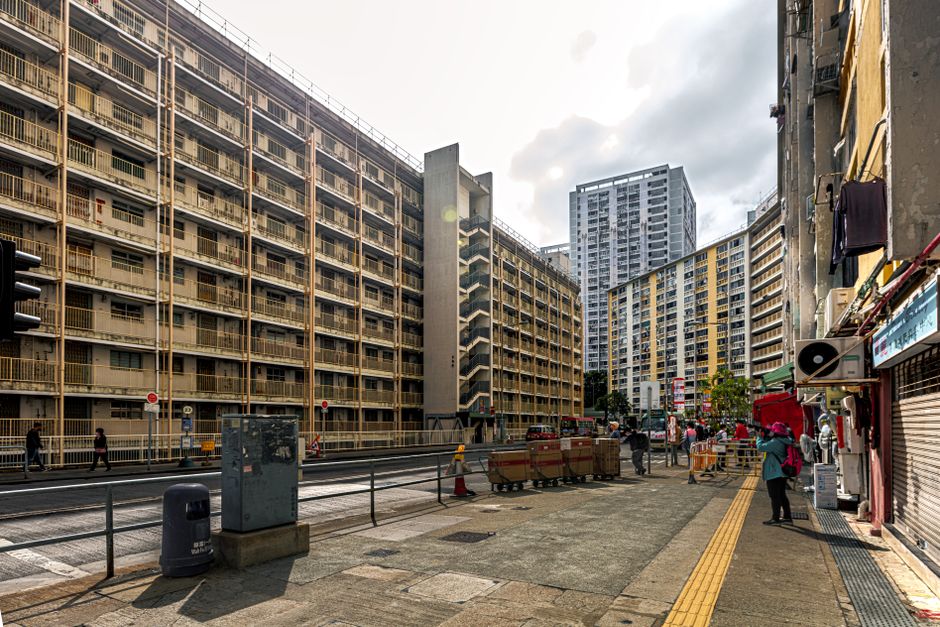
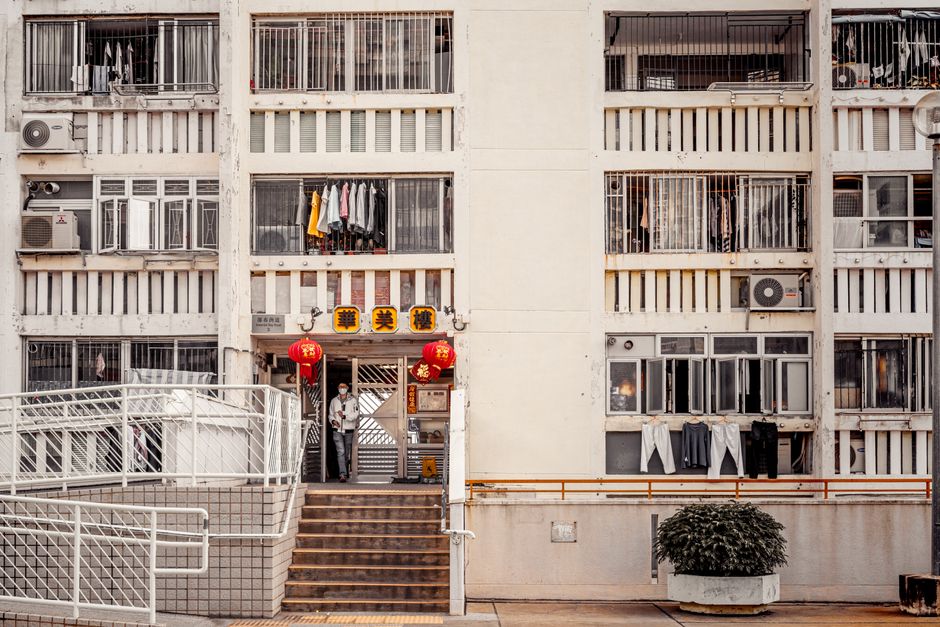
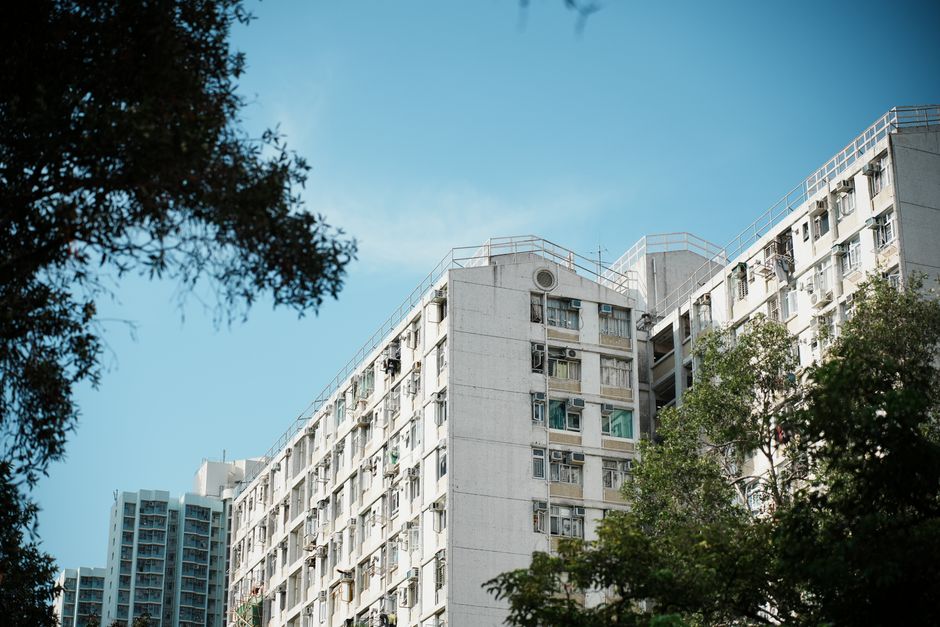
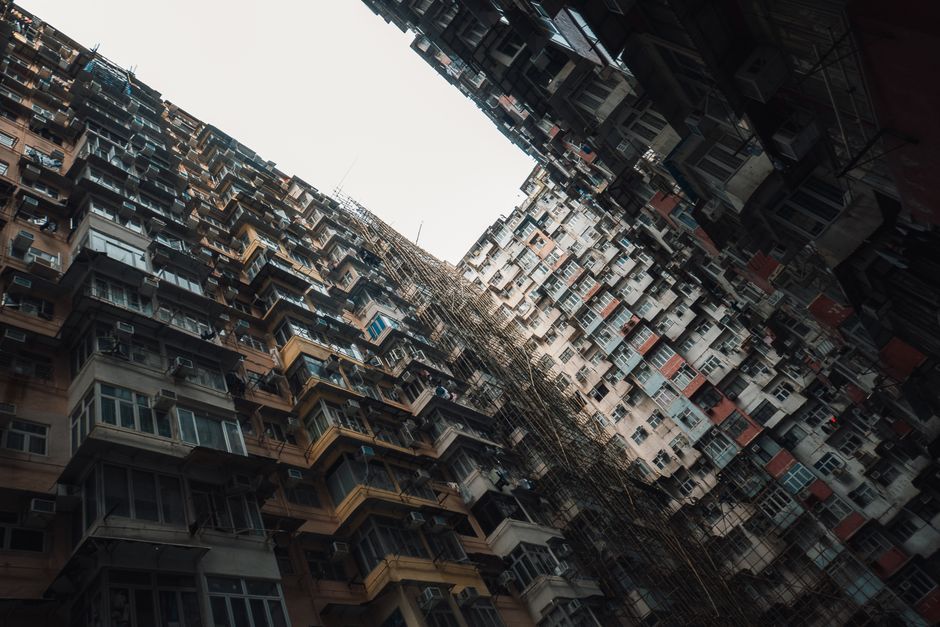
The sheer verticality of parenting here sets Hong Kong apart. Families don't sprawl across suburbs—they stack. This has forced a particular philosophy: childhood happens in shared spaces. The playground at Victoria Park becomes your community hub. The MTR platform during rush hour is your socialization. International schools like Harrow and Sha Tin College charge tuition fees exceeding HK$200,000 annually, pricing many families into the English-language system despite being fiercely Asian. Meanwhile, local schools operate on a wholly different curriculum, creating an almost caste-like educational divide that wouldn't be as pronounced in more homogeneous societies.
Then there's the cultural schizophrenia. Your child celebrates Christmas at school, Lunar New Year with grandparents in a cramped Mong Kok apartment, and learns British spellings while their grandmother insists they respect Confucian values. Child psychologists in Central report rising anxiety cases tied to this very tension—the pressure of straddling worlds that don't always reconcile.
The cost of raising a child here is punishing by global standards. Tuition, private tutoring (nearly 70% of students use it), extracurricular activities, and housing mean a middle-class family easily spends HK$50,000 monthly. Yet remarkably, there's an acceptance of this that you won't find in equivalent Western cities. Parents don't question it; they budget for it. It's simply the price of Hong Kong parenthood.
What makes this city uniquely challenging—and strangely, uniquely formative—is the absence of middle ground. You're either affluent enough to afford international schooling and summer camps abroad, or you're navigating a competitive local system where a child's future feels determined by a single exam score. There's less of the comfortable suburban mediocrity found in Western cities.
The flip side? Hong Kong children develop a resilience and cultural adaptability that's genuinely rare. Growing up here means negotiating multiple languages, education systems, and worldviews before age twelve. It's exhausting, occasionally neurotic, but undeniably distinctive. Your child won't just be globally minded—they'll be forged in one of the world's most uncompromising cities.
This article was compiled by AI from the sources linked above and screened before publishing. See our editorial standards.