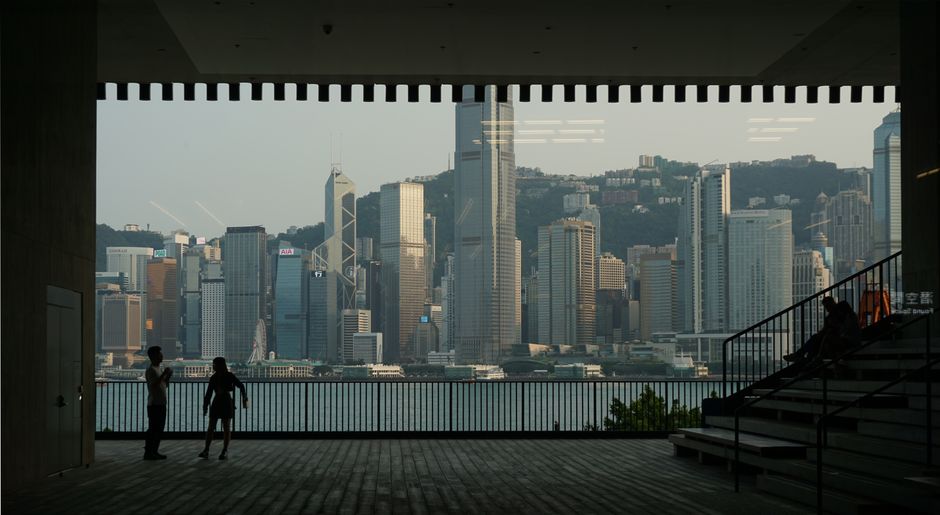
Walk along the Tsim Sha Tsui Promenade on a Saturday morning and you'll notice something that felt unthinkable five years ago: it's packed—but not with the frenetic energy of a shopping district. Families sprawl on the grass. Tai chi enthusiasts move slowly near the water's edge. Young professionals work from portable desks, their coffee cooling beside them. The space, finally, feels like it belongs to Hongkongers rather than just existing as a scenic backdrop to the skyline.
This shift represents a quiet revolution in how our city treats its green spaces. The government's 2024 Parks and Recreation Strategy injected over HK$2 billion into renovation and expansion projects across the territory. But more significantly, post-pandemic attitudes have fundamentally changed what Hongkongers expect from outdoor spaces—and what they're willing to travel for.
Central's new Central Waterfront Park, which opened last December, exemplifies this transformation. Rather than pristine but sterile gardens, the design prioritises accessibility and loitering. There are actual shaded seating areas. Functional drinking fountains. A dedicated space for children's messy play. Entry is free. On any given weekday, you'll see office workers eating lunch barefoot on the grass—a sight that would have drawn disapproving stares a decade ago.
The ripple effects extend into neighbourhood parks previously dismissed as mundane. Kowloon Park's recent redesign added community gardens managed by local volunteers, turning a tired green space into a genuine gathering point. The Gardens of Kowloon Bay, once overlooked, now hosts sunrise tai chi classes and weekend family picnics. Even smaller pockets—the renovated pocket parks along Des Voeux Road in Sheung Wan—have become Instagram-worthy precisely because they feel genuinely used, not curated.
What's changed isn't just infrastructure. It's permission. For years, Hong Kong's culture of perpetual productivity made lingering in parks feel somehow irresponsible. Now, wellness narratives around urban green spaces have given locals psychological permission to simply sit outside. The wellness industry hasn't hurt either—park yoga, outdoor meditation, forest bathing—these concepts, borrowed from elsewhere but adapted for Hong Kong, have legitimised outdoor time as self-care rather than leisure.
Pricing matters too. Most revamped spaces remain free or charge minimal fees, making them genuinely accessible. This democratisation—the idea that relaxation shouldn't require spending money—has resonated deeply post-pandemic.
The proof is visible. Hong Kong Parks Authority reported a 40% increase in park visits across major urban parks in 2025. The wait for weekend spots at Central Waterfront has occasionally stretched to 20 minutes. Local communities are now advocating for more, not fewer, green spaces. For a city once defined by density and hustle, that represents extraordinary progress.
This article was compiled by AI from the sources linked above and screened before publishing. See our editorial standards.