Hong Kong's School Revolution: Why Parents Are Finally Breathing Easier
After years of exodus and anxiety, a quiet transformation in education and family life is making Hong Kong parents rediscover faith in raising kids here.
3 min read
After years of exodus and anxiety, a quiet transformation in education and family life is making Hong Kong parents rediscover faith in raising kids here.
3 min read
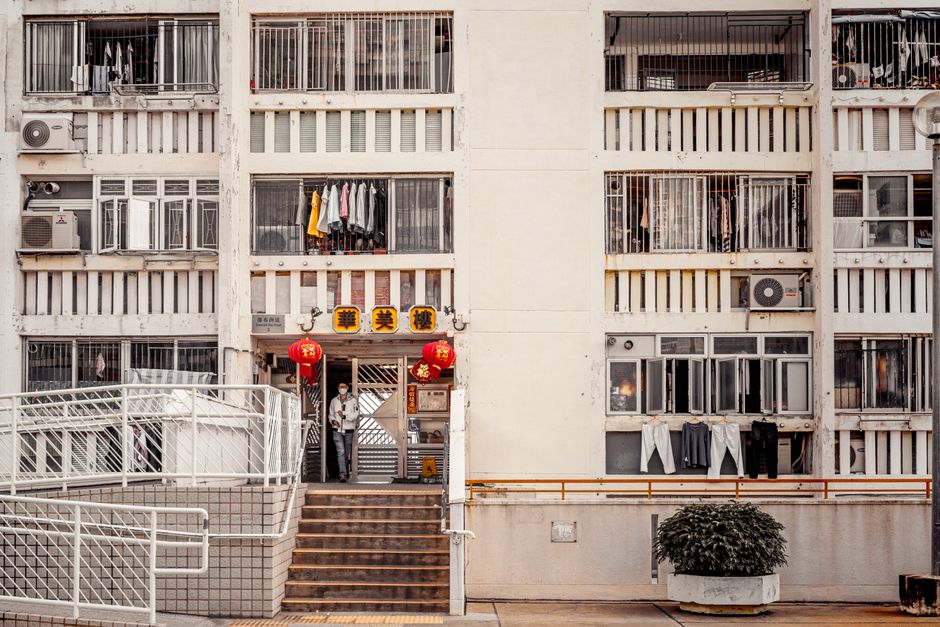
For nearly a decade, Hong Kong parents have wrestled with an agonising question: should we stay or should we go? International school fees pushing towards HK$300,000 annually, cramped living spaces, and the shadow of political uncertainty sent thousands packing. But something unexpected is happening in mid-2026—families are reconsidering, and the reasons run deeper than nostalgia.
The shift starts with school. The Education Bureau's 2025 curriculum refresh finally addressed a grievance that had festered for years: excessive testing pressure. The reduction of formal assessments in primary years and the new emphasis on project-based learning has eased the relentless tutoring culture that once defined Hong Kong childhood. Parents no longer feel compelled to enrol their eight-year-olds in six simultaneous enrichment classes.
"It's liberating," says the sentiment echoed across playgroups in Mid-Levels and Repulse Bay. More significantly, several elite local schools—including some DSS institutions—have introduced flexible curricula that blend International Baccalaureate principles with local content, making them genuinely competitive with the expatriate circuit without the eye-watering fees.
Infrastructure improvements have sweetened the deal. The expansion of MTR services to Tuen Mun and the opening of three new community centres across the New Territories have made family outings less logistically torturous. Stanley's waterfront precinct now features a dedicated family zone with improved facilities, while Kowloon Park's renovation includes affordable activity programming that didn't exist three years ago.
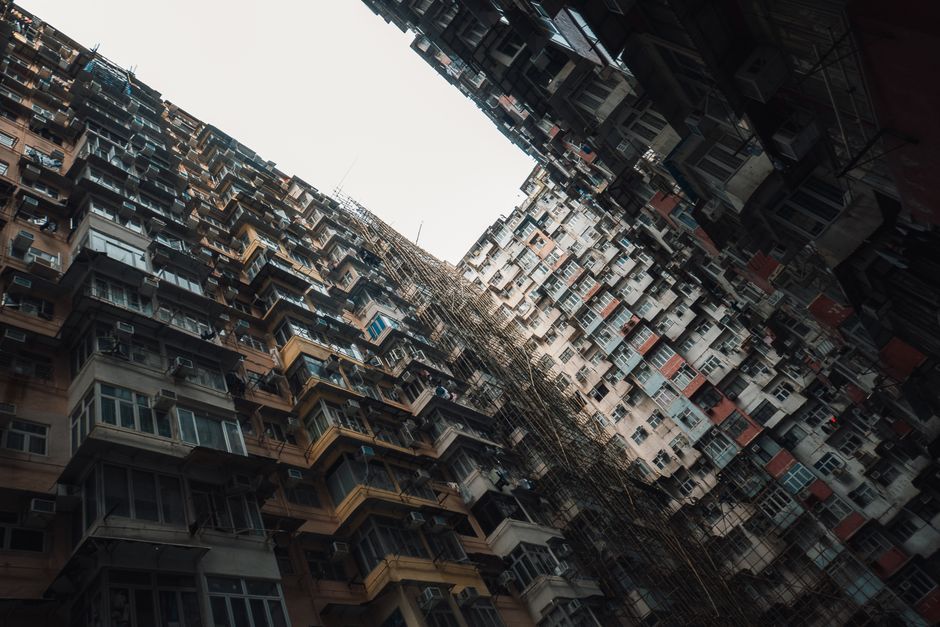
Critically, housing sentiment has shifted. While flats in premium districts remain stratospheric, suburban neighbourhoods like Tseung Kwan O and Yuen Long are experiencing genuine community building—not the soulless sprawl of the past. Property agents report growing enquiries from families looking to upgrade living space rather than flee entirely.
The economic stabilisation has helped. Dual-income families no longer face the same precarity, and the recovering fintech and creative sectors have provided alternative career paths beyond traditional finance. Parents feel less trapped.
Perhaps most tellingly, the parenting narrative has matured. Where 2016-2020 saw resignation and anxiety, 2026 sees pragmatism mixed with cautious optimism. Yes, Hong Kong remains expensive, dense, and demanding. But for families willing to embrace local schooling, invest in community, and reject the relentless comparison culture, the city is revealing itself anew—not as a place to escape, but as a genuinely liveable home for raising children.
That's the real change. Not the policies or infrastructure alone, but a collective reframing: Hong Kong as a place worth staying for, not just enduring.
This article was compiled by AI from the sources linked above and screened before publishing. See our editorial standards.
About this article
Published by The Daily Hong Kong
Spread the word
Daily brief
Free, in your inbox before 7am. Weekdays.
Before you go
The day's Hong Kong news in a 2-minute read. Free, weekday mornings.