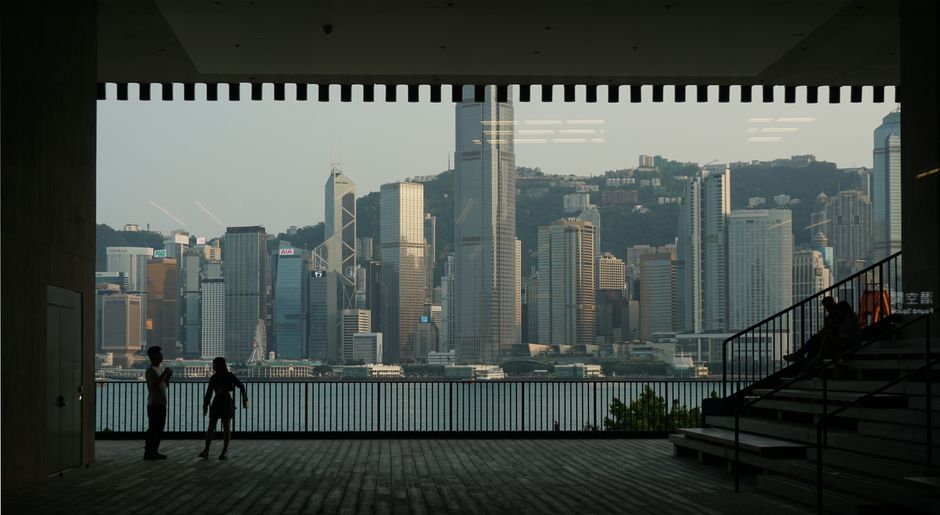
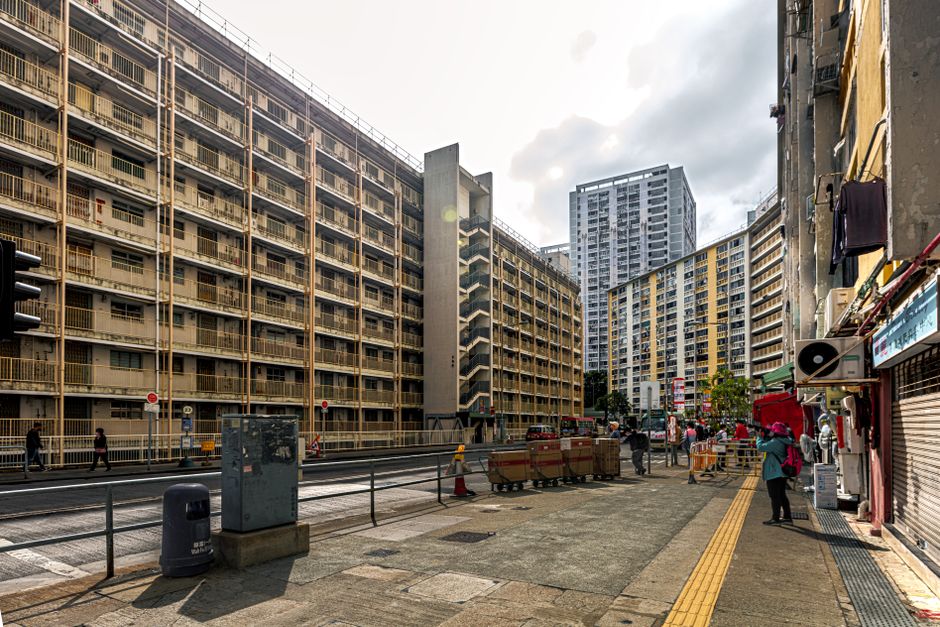
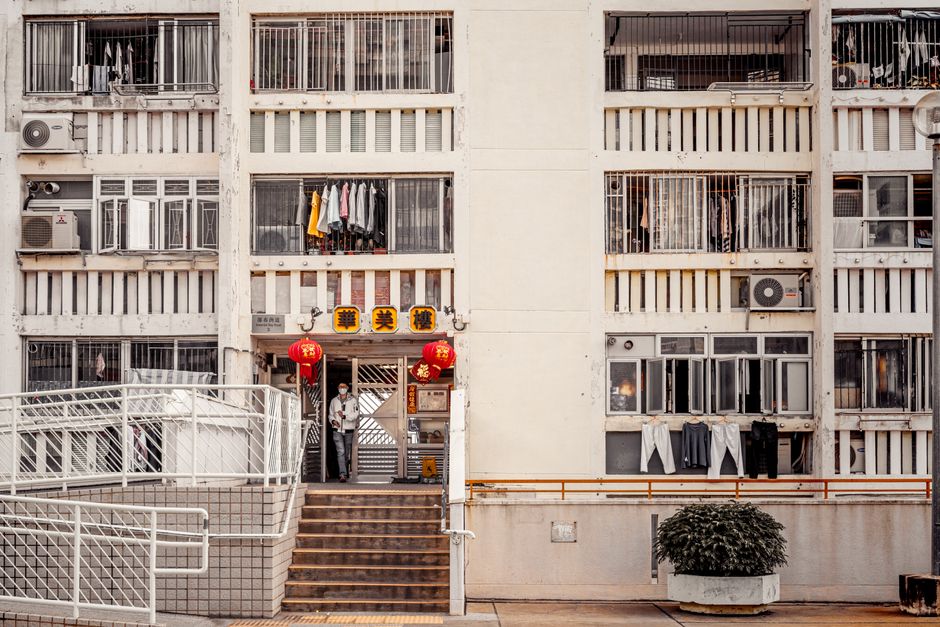
On a Tuesday morning in Sheung Wan, a cluster of mothers gather on the steps outside PMQ, their toddlers chasing each other across the cobblestones. One jugggles a part-time copywriting gig with school runs; another abandoned a corporate career to launch an educational consultancy. Their stories—plural, fluid, distinctly Hong Kong—reveal how parenting in this city has fundamentally shifted.
The stereotypes persist: overburdened children shuttling between tutorial centres in Mong Kok, anxious parents obsessing over JUPAS scores, an unforgiving educational system. Yet beneath these broad strokes lies a quieter, more textured reality. According to recent surveys by the Education Bureau, an estimated 34 per cent of Hong Kong families with school-age children now actively seek alternative learning models—from Montessori approaches in Mid-Levels to outdoor education programmes in the New Territories. International schools like Island School in Aberdeen have waitlists spanning years, while local Chinese schools report renewed interest from expatriate families.
The shift reflects deeper demographic currents. More parents—particularly those aged 35–50—are questioning the relentless tuition culture that defined their own childhoods. Venues like Kidiversity in Causeway Bay and the Playright Children's Playground in Central have become unofficial hubs where parents exchange school recommendations, debate phonics versus whole-language learning, and wrestle with the perennial question: how to nurture ambition without crushing joy.
Economically, the costs remain daunting. International school fees run HK$150,000–280,000 annually; even quality local school tuition adds another HK$50,000–100,000 yearly. Yet families persist in reimagining what education means here. Some enrol children in bilingual programmes; others pursue homeschooling networks that meet monthly in community centres across Kowloon. A growing cohort combines traditional academics with arts, coding, and Mandarin immersion—a distinctly Hong Kong synthesis.
What binds these stories is resilience with purpose. Parents speak candidly about mental health, work-life balance, and the guilt of competing demands. They navigate schools that straddle East and West, neighbourhoods transforming from residential enclaves to family-friendly destinations. They build communities—whether through WhatsApp groups coordinating school carpools or parent-led initiatives advocating for curriculum reform.
These are not Instagram-curated narratives of perfect parenting. They are the messy, determined, inventive realities of families in a high-pressure city choosing to parent differently. In Taikoo Shing apartments and Discovery Bay estates, in tutorial centres and public parks, Hong Kong's parents are writing a new script for childhood—one story, one choice, one school year at a time.
This article was compiled by AI from the sources linked above and screened before publishing. See our editorial standards.