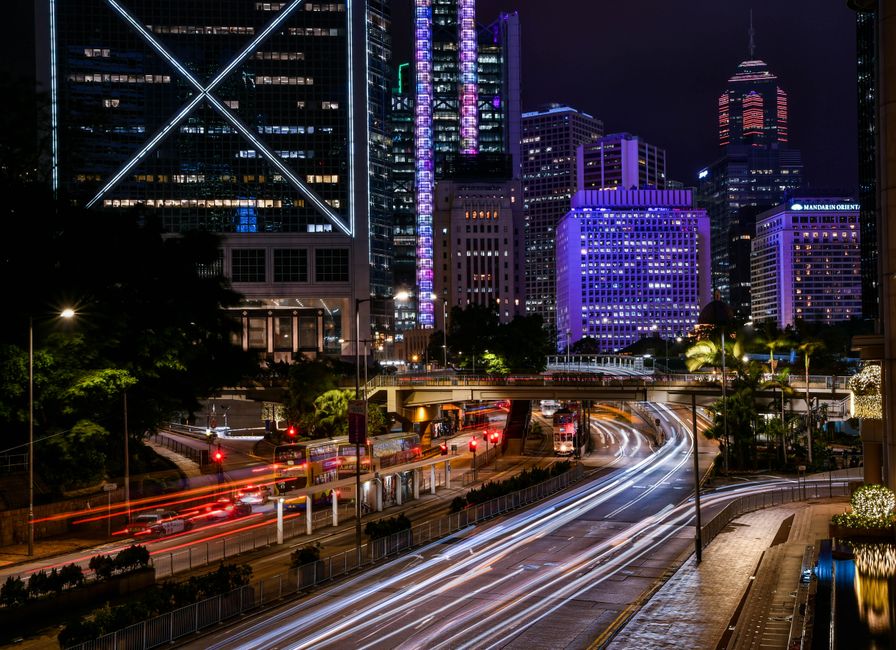
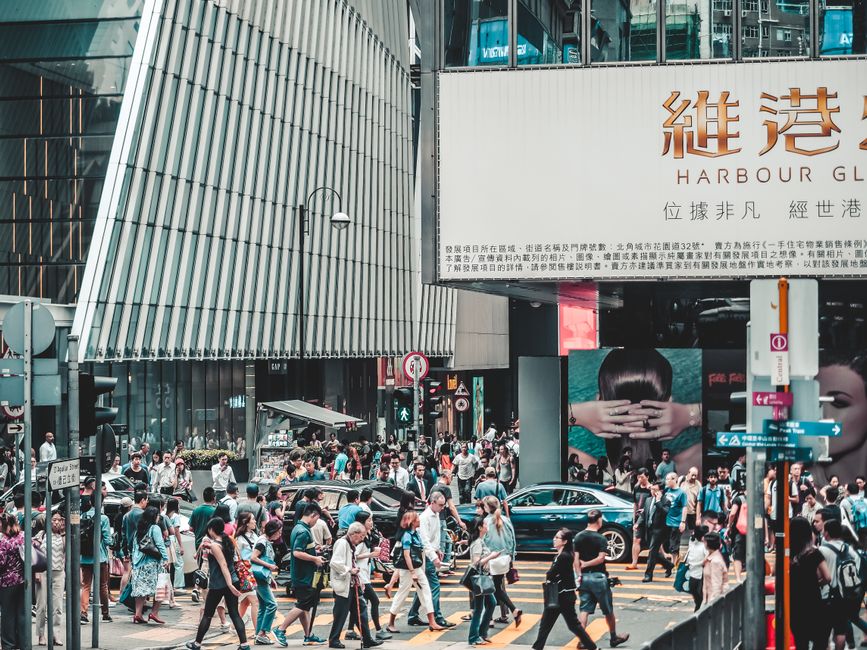
Walk down Lan Kwai Fong on a Friday night in 2026, and you'll notice something markedly different from five years ago. The neon-soaked alley that once catered primarily to finance workers and tourists has undergone a quiet but profound transformation. Venues have recalibrated their offerings, prices have become more competitive, and—most tellingly—young Hong Kong professionals are actually choosing to spend their evenings here again.
"We saw a real shift around 2024," says a manager at one of Central's established venues. "People stopped chasing the Instagram moment and started valuing genuine connection." This sentiment has rippled across the city's nightlife ecosystem. Mid-range cocktail bars charging HK$60–80 per drink have proliferated across SoHo and Sheung Wan, undercutting the HK$100+ prices that once dominated. The format has proven wildly popular: intimate spaces, skilled bartenders, reasonable tabs.
The geographic expansion has been equally striking. While Lan Kwai Fong remains a hub, neighbourhoods like Causeway Bay and even Mong Kok have emerged as serious contenders. Small-batch bars focusing on Japanese whisky, natural wine, and Asian-inspired cocktails have opened across these districts, drawing locals seeking alternatives to the tired clubbing circuit. Websites tracking Hong Kong bar openings reported 47 new venues in the past 18 months, nearly double the rate of 2023.
Several factors explain this renaissance. Post-pandemic, Hongkongers reassessed their leisure priorities. Many professionals, working hybrid schedules, no longer feel obligated to drink in their office neighbourhoods. Simultaneously, younger entrepreneurs have launched venues that reflect local tastes rather than imported templates—think umami-forward cocktails and Cantonese-language themed nights.
Pricing psychology has also shifted. A 2025 consumer survey found 64% of Hong Kong drinkers aged 25–40 prefer paying moderate prices at venues they can visit regularly over occasional splurges. This has made neighbourhood bars sustainable in a way Lan Kwai Fong's tourism-dependent model struggles to maintain.
Perhaps most significantly, the social function of nightlife has changed. Rather than venues serving as status symbols, locals now prioritise spaces fostering genuine conversation—quieter bars, standing-room establishments with knowledgeable staff, and venues hosting live music or themed events. The success of these formats suggests Hong Kong's nightlife has matured beyond the excess of previous decades.
For residents tired of the same old formulas, this moment feels genuinely refreshing.
This article was compiled by AI and screened before publishing. See our editorial standards.