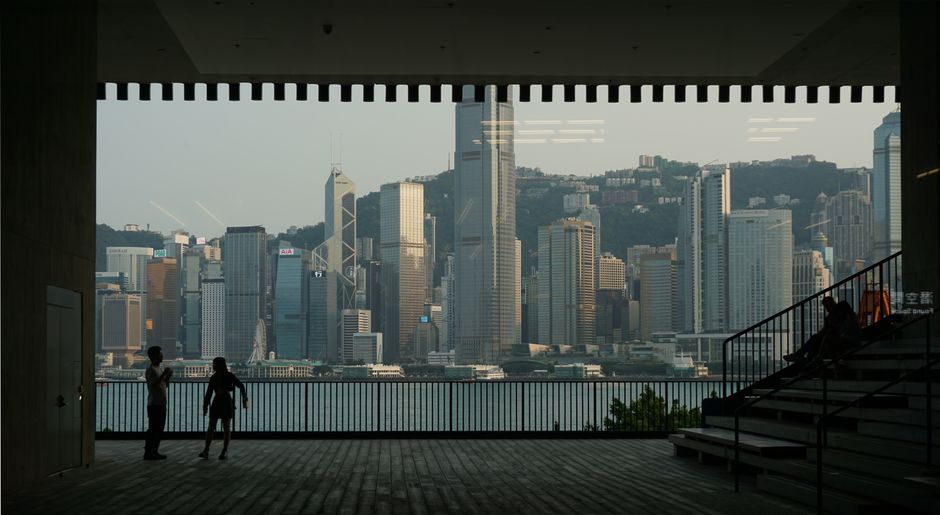
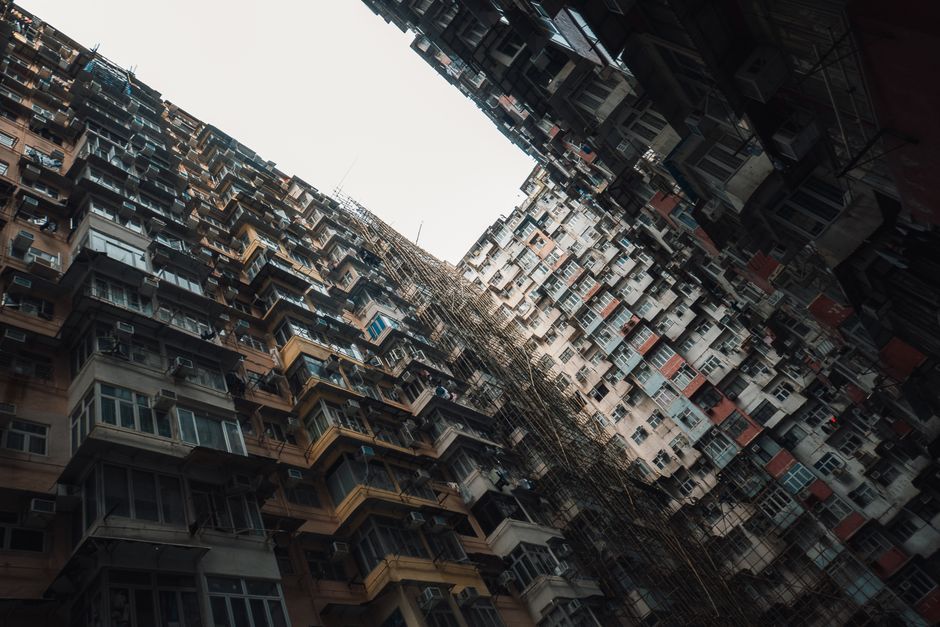
The Faces Behind the Skyline: Why Hong Kong's Real Soul Lies in Its People
Beyond the glittering towers and efficient MTR lines, newcomers discover that this city's true magic lives in the communities, mentors, and unexpected friendships that make relocation feel like homecoming.
This article was generated by AI from the linked public sources. The Daily Hong Kong is independently owned and covers Hong Kong news free from advertiser or sponsor influence. Read our editorial standards →
Moving to Hong Kong can feel overwhelming. The towering office blocks of Central, the relentless humidity, the Cantonese you don't speak yet—it's easy to see only logistics. But ask anyone who's stayed longer than a year, and they'll tell you the real Hong Kong reveals itself through people.
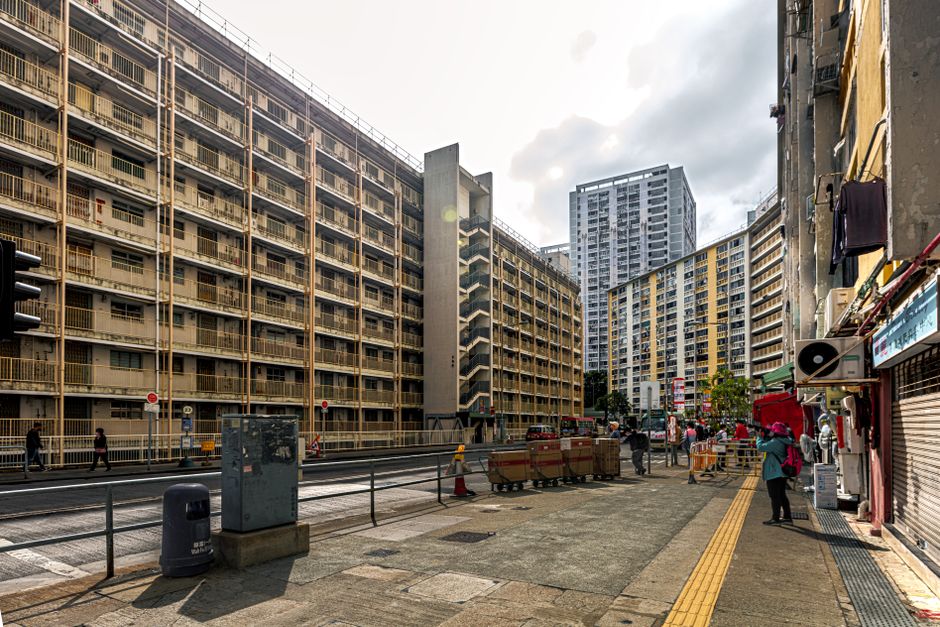
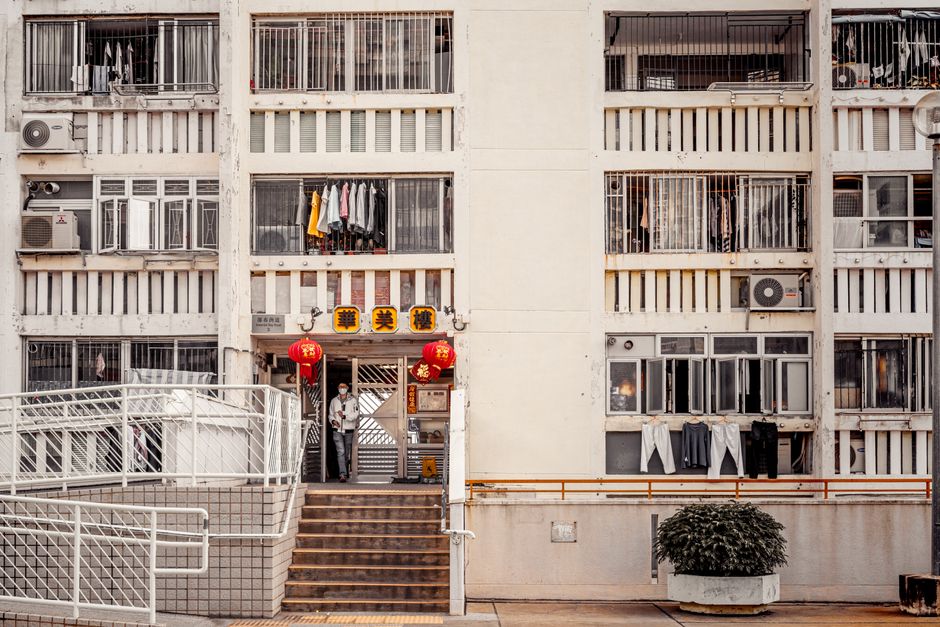
Take the neighbourhoods that become your anchors. In Sheung Wan, local antique dealers along Hollywood Road become unexpected mentors, teaching newcomers about the city's colonial past while recommending the best dai pai dong on Wing Lok Street. In Sai Ying Pun, young families and remote workers have quietly transformed the neighbourhood into a creative hub, filling vintage shophouses with coworking spaces and third-wave cafés. These aren't tourist routes—they're where friendships form.
The relocation numbers tell part of the story. Hong Kong hosts around 650,000 expats, roughly 8.5% of the population, drawn by finance, tech, and quality of life. But statistics don't capture what happens when a banker from London joins a Pilates class in Causeway Bay and meets a yoga instructor from São Paulo who's been here eight years. Suddenly you have a guide. Someone who's already navigated the International School lottery, knows which neighbourhoods have good internet for Zoom calls, and can explain why your AIA insurance claim works differently than back home.
Organisations like the British Chamber of Commerce and the American Chamber of Commerce host regular networking events, but the real connection often happens in smaller spaces—running clubs in Victoria Park, parent groups on The Peak, cooking classes in Mong Kok teaching Sichuan cuisine to curious expats. These communities absorb newcomers into an unwritten network of shared experience.
What makes Hong Kong different from other global cities is the speed at which this happens. Maybe it's the compact geography—everything from Tuen Mun to Stanley feels accessible. Maybe it's that Hongkongers themselves, famously pragmatic and entrepreneurial, respect people who show genuine effort to learn Cantonese or understand the neighbourhood politics of their adopted district. A simple greengrocery chat in Tai Wai can lead to dinner invitations and genuine friendships.
Six months in, most newcomers stop seeing Hong Kong as a posting and start seeing it as a place where they belong. The faces that made that shift possible—the colleague who became a best friend, the local shopkeeper who learned your name, the parent at International Community School who invited you to their Mid-Autumn Festival gathering—they become the real story of why you stayed.
That's the Hong Kong worth discovering.
This article was compiled by AI from the sources linked above and screened before publishing. See our editorial standards.
Covering lifestyle in Hong Kong. This article was generated by AI from the linked sources and was not reviewed by a human editor before publishing. See our editorial standards.