Green Sanctuaries: The Faces Behind Hong Kong's Parks Revolution
From tai chi masters to urban farmers, the people transforming our concrete jungle are proving that Hong Kong's greatest natural resource is its community spirit.
3 min read
From tai chi masters to urban farmers, the people transforming our concrete jungle are proving that Hong Kong's greatest natural resource is its community spirit.
3 min read
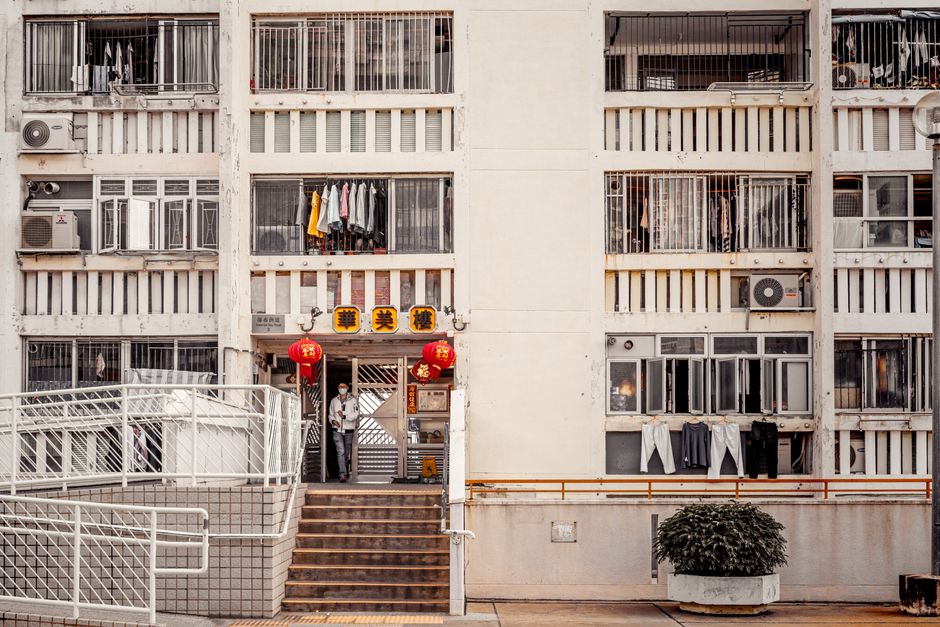
On a humid Tuesday morning in Victoria Park, an elderly man in a faded blue shirt leads a group of thirty through slow, deliberate movements. His name isn't important—what matters is that he's been teaching tai chi here for seventeen years, free of charge, asking only that newcomers show respect to the space and each other. This is the Hong Kong that rarely makes headlines: the quiet custodians of our green spaces who transform parks from mere lung capacity into genuine community anchors.
Hong Kong's 1,500 hectares of public parks face immense pressure. With a population density exceeding 7,600 people per square kilometre, every blade of grass matters. Yet it's not government statistics that reveal the true story—it's the faces we encounter there daily. At Kowloon Walled City Park, a woman in her sixties tends to heritage plants alongside paid gardeners, part of a volunteer network that has grown from 12 members in 2018 to over 400 today. She arrives at 6 a.m., before the crowds, clipboard in hand.
Urban farming has emerged as an unexpected lifeline. In the makeshift community gardens dotting areas like Sham Shui Po and Kwai Chung, retirees and younger professionals work neighbouring plots, creating spontaneous mentorship relationships. One 73-year-old former factory worker now teaches composting techniques to secondary school students through the Hong Kong Parks and Gardens Association. His plot produces surplus vegetables he donates to local food banks.
The pandemic accelerated this shift dramatically. Visitor numbers to major parks increased by 40 per cent between 2020 and 2025. But beyond foot traffic, something deeper changed: connection. Fitness groups materialised organically. Dog-walking communities became actual friendships. Parents discovered that Central's Zoological and Botanical Gardens offered something no screen could—intergenerational bonding at a cost of zero dollars.
What's remarkable is how these spaces have become informal mental health sanctuaries. A 2024 University of Hong Kong study found regular park users reported 35 per cent lower stress levels. The infrastructure matters, certainly—the 60 kilometres of greenway recently completed across the New Territories represents crucial investment—but the real magic happens when someone decides to show up, day after day, and invest their time in strangers.
As our city continues its vertical expansion, these human stories matter more than ever. The tai chi instructor in Victoria Park, the urban farmer in Kwai Chung, the volunteer pruning heritage plants—they're not fighting progress. They're simply insisting that progress includes space for people to breathe together, to learn from one another, to belong.
That's the green revolution Hong Kong actually needs.
This article was compiled by AI from the sources linked above and screened before publishing. See our editorial standards.
About this article
Published by The Daily Hong Kong
Spread the word
Daily brief
Free, in your inbox before 7am. Weekdays.
Before you go
The day's Hong Kong news in a 2-minute read. Free, weekday mornings.